
The Cost of Being a Farmer’s Son
TrumanThis flow traces how family duty repeatedly constrained Truman’s ambitions and then shaped his sense of responsibility.
increasing Bearing strength in each event
 decreasing
Bearing strength in each eventdecreasingA Father’s Example
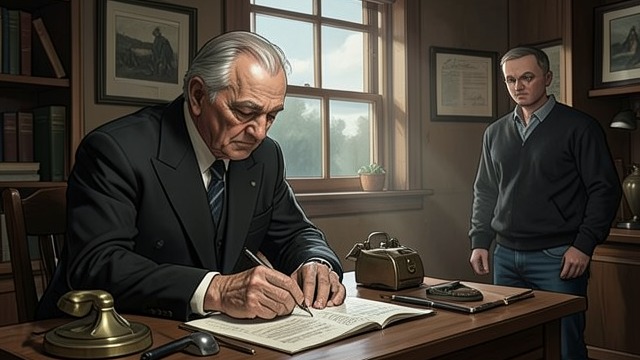
A Father’s Example
Work and Pride
John Anderson Truman taught his son the habits of early rising, close attention, and stubborn effort. Harry admired him despite his temper and financial disappointments.
Inheritance
The father’s example shaped Truman’s ideas about work, honor, and responsibility.
Supporting the Family
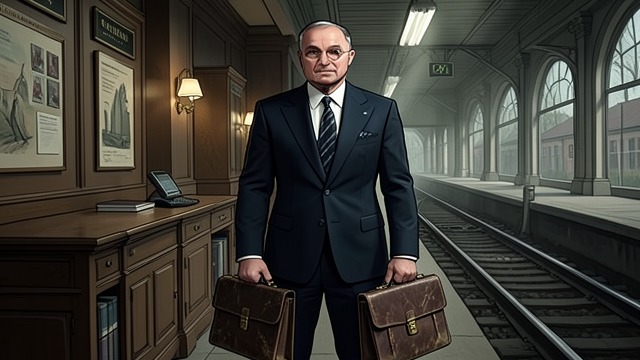
Supporting the Family
Reversal
After John Truman’s financial collapse, Harry worked in a bank and then on the railroad to help support the household.
Lost Opportunity
He left school and abandoned military ambitions, learning early that family needs could outweigh personal plans.
Returning to the Farm
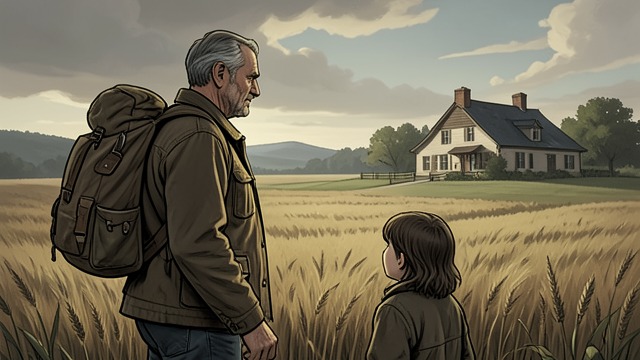
Returning to the Farm
Duty
Harry returned from city work when his father needed help managing the farm. He became a full partner and took on responsibility for debts.
Loss
John’s death made Harry head of the family at a time when he was also trying to build a future with Bess Wallace.
Mary Jane Takes Over
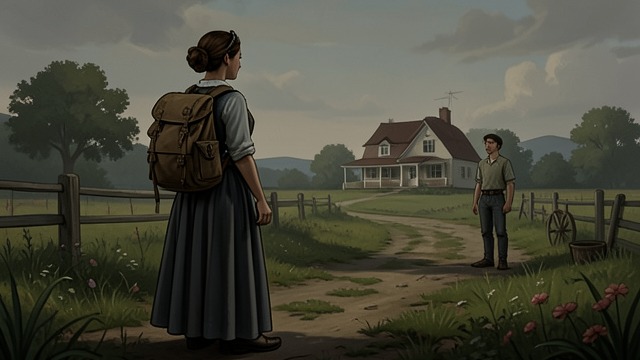
Mary Jane Takes Over
Family Burden
When Truman went to war, his sister managed the farm and supported their mother. The decision gave him a chance to serve but transferred his worries to her.
Lasting Debt
Truman later acknowledged the burden his departure placed on Mary Jane.
Responsibility at the Summit
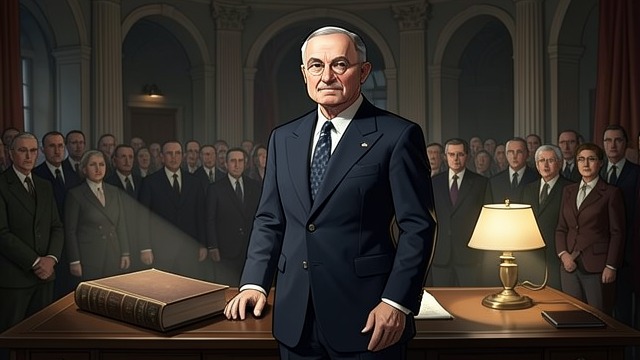
Responsibility at the Summit
Return of the Burden
As President, Truman again felt answerable for other people’s safety and welfare, now on a national and global scale.
Continuity
His family obligations and farm upbringing remained part of how he understood the presidency’s burdens.
1887–1901
1901–1905
1906–1914
1917–1919
1945–1953
