Gueboroa Island
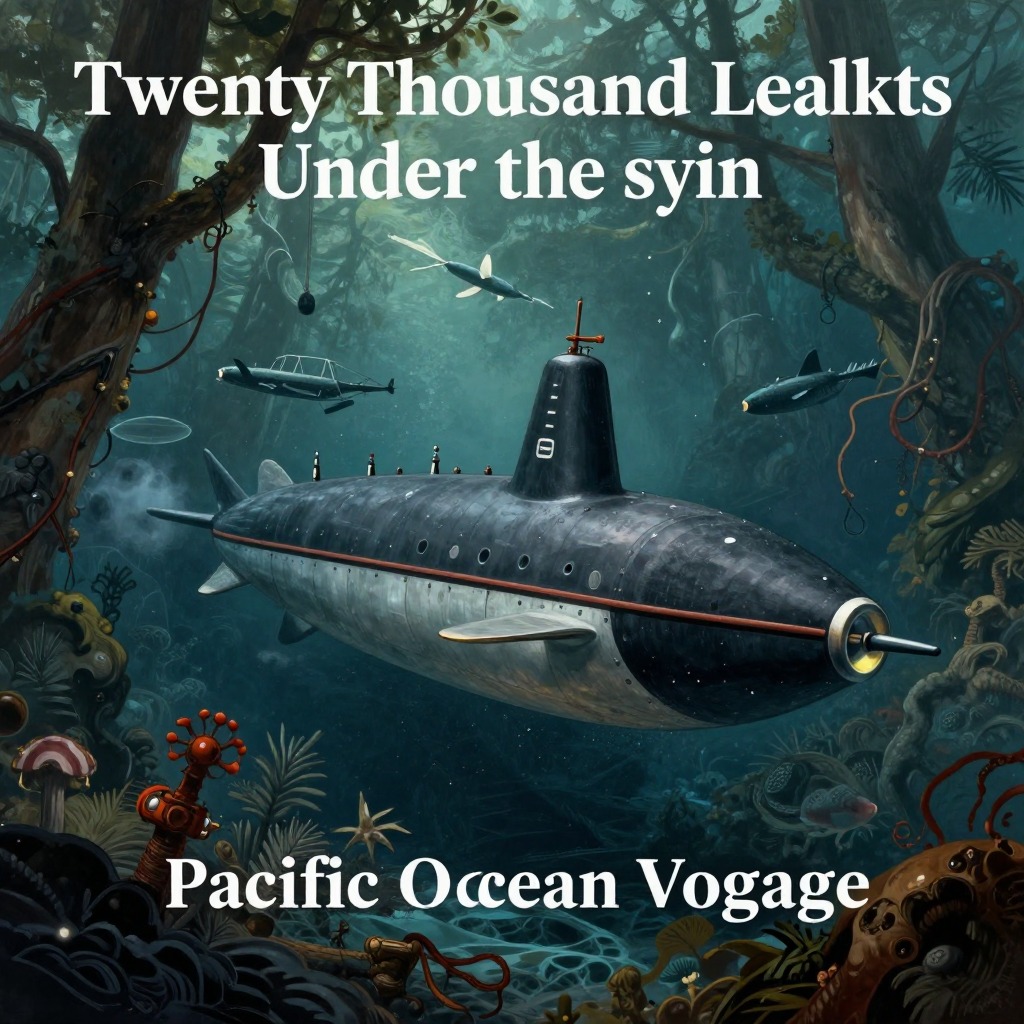
Twenty Thousand Leagues Under the SeaGueboroa Island, a small, forested island in the Torres Strait, serves as a temporary refuge and hunting ground for the Nautilus's passengers after the ship runs aground on nearby coral reefs. The island is notable for its dense tropical vegetation, abundant wildlife, and the hostile encounter with Papuan natives that forces the party to retreat, highlighting the dangers of the region and the protective measures of Captain Nemo.
Geography and Setting
Gueboroa Island is located in the Torres Strait, a dangerous waterway separating Queensland from the island of Papua (New Guinea). The island is described as being covered with magnificent forests of enormous trees, including mimosas, banyans, beefwood, teakwood, hibiscus, screw pines, and palm trees, all linked by tropical creepers. The soil is primarily madreporic, with some granite rubble, indicating a primordial origin. The island is surrounded by a ring of coral reefs, which the Nautilus's skiff must navigate to reach the sandy shore. The island's interior features plains, stream beds, and foothills leading to mountains at its center.
The Hunting and Foraging Expedition
After the Nautilus runs aground on a reef near Gueboroa Island on January 4, 1868, Captain Nemo grants Professor Aronnax, Conseil, and Ned Land permission to go ashore. The party spends several days exploring the island, primarily focused on gathering food. Ned Land, eager for fresh meat, leads the hunting. They collect coconuts, breadfruit, bananas, jackfruit, mangoes, pineapples, palm cabbages, beans, yams, and sago. Ned Land successfully hunts a wild pig (bari-outang) and several kangaroos, while Conseil captures a bird of paradise. The hunting is productive, and the party enjoys a feast of grilled pork, pigeon, and ringdove on the beach.
Encounter with Papuan Natives and Retreat
The idyllic hunting trip is cut short when the party is attacked by a group of about twenty Papuan natives, armed with bows and slings. The natives hurl stones and arrows, forcing the three men to retreat hastily to their skiff. The next day, the number of natives swells to 500 or 600, and they surround the Nautilus in dugout canoes. Despite the threat, Captain Nemo refuses to harm them, instead using the ship's electrified hatches to repel the boarders. The Nautilus is freed from its coral bed by the rising tide and escapes the Torres Strait, leaving the island behind.
Narrative Significance
Gueboroa Island serves as a crucial episode in the voyage, providing a rare opportunity for the prisoners to experience solid ground and engage in a traditional hunt. The island's abundance of game and edible plants contrasts sharply with the Nautilus's marine-based diet, highlighting Ned Land's growing discontent. The hostile encounter with the Papuans underscores the dangers of the region and reinforces Captain Nemo's isolation from humanity, as he chooses to protect his ship through non-lethal means. The island also marks a turning point in the narrative, as the failed escape attempt and the subsequent confinement deepen the tension between the captives and their enigmatic captor.