
The Fisherman’s Family as a Chosen Home
UndineThis flow follows the affection that makes the fisherman’s cottage a home for Undine and later tests the limits of blood, fosterage, and belonging.
increasing Bearing strength in each event
 decreasing
Bearing strength in each eventdecreasingHospitality After Loss
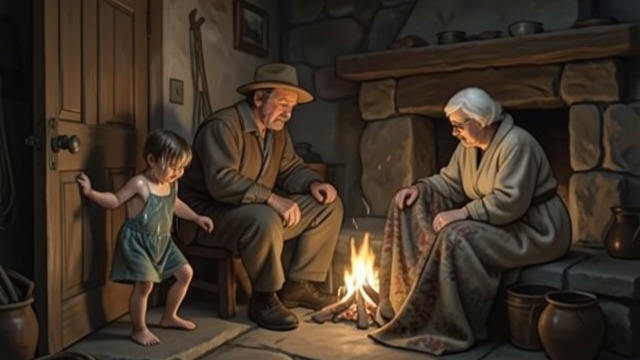
Care for a Stranger
A Grieving Household
The fisherman and his wife have just lost their infant when a wet child appears at their door. Instead of treating her as a threat, they recognize a vulnerable visitor who needs warmth and care.
The fisherman reasons that they should do for this child what they would have wished others to do for their own daughter. Compassion turns bereavement into an act of shelter.
A Family Begins
They dry and feed the girl, then raise her as their own foster-child. Her silence and strange account do not prevent them from loving her.
The relationship is chosen before it is understood, giving Undine a home outside her elemental family.
The Old Couple’s Affection
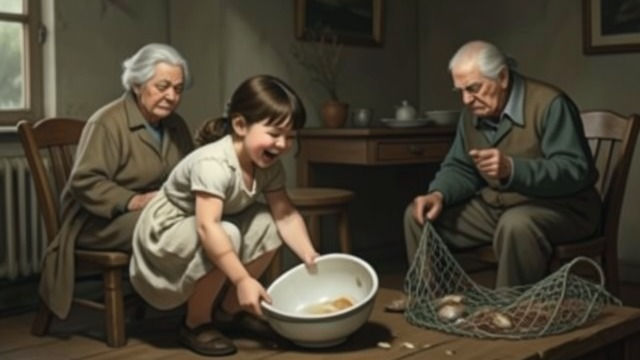
Frustration Within Love
A Lively Foster-Daughter
Undine teases the fisherman and disrupts the old woman’s household routines. The wife complains that she must constantly guard against the girl’s pranks.
The fisherman compares the trouble to his damaged nets and broken dams: frustrating, yet bound up with something he loves. His wife admits that she cannot stay angry with the pretty child.
Shelter From Reproach
When Undine flees into the night after an argument, both old people fear for her safety. The fisherman calls for her through the storm, and Sir Huldbrand searches too.
Their worry shows that their bond is not merely an arrangement of convenience. Her absence wounds them because she belongs to the household.
A Farewell on the Peninsula
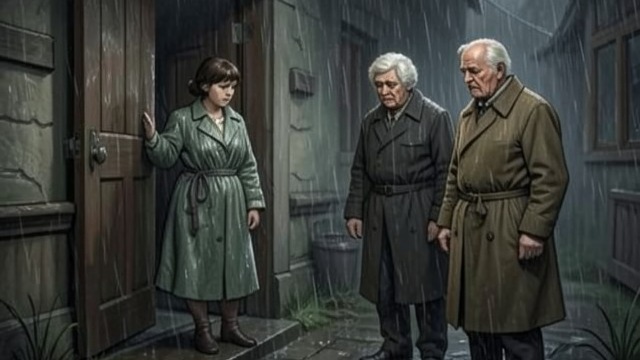
A Foster-Child Departs
A Difficult Goodbye
Undine leaves the fisherman and his wife with Sir Huldbrand after the flood recedes. She weeps silently as the old couple express their grief openly.
She wants to conceal from them the depth of her new soul and affection because revealing it just as she departs would make their loss harder. The choice reflects love expressed through restraint.
An Unfinished Home
The old couple’s care has helped make Undine capable of earthly attachment, even before she understands that change. She carries the emotional inheritance of their cottage into marriage.
Their parting is not a rejection, but a separation that anticipates how difficult it will be to keep human bonds intact.
A Longing for the Parents
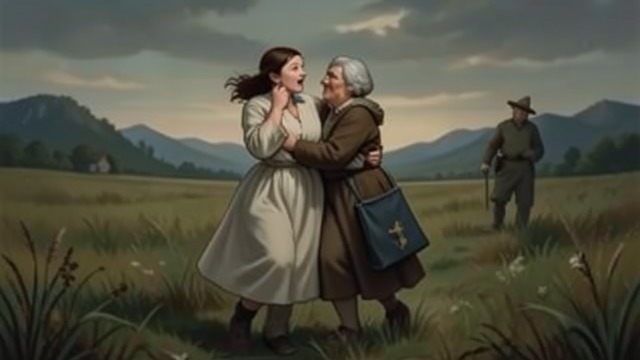
The Old Couple Return
The Songs Open the Past
Undine’s songs reveal the fisherman and his wife as Bertalda’s birth parents. Their long grief is answered by the sight of their lost child, though the moment is not joyful for everyone.
The fisherman’s wife embraces Bertalda, while Bertalda tears herself away. Undine watches her foster-parents’ hope collide with their child’s rejection.
Compassion Across Two Families
Undine’s own foster-family and Bertalda’s birth family now meet in one public revelation. The story makes love depend on care and recognition, not solely on biological ties.
The fisherman’s wife continues to feel that Bertalda is her child even when Bertalda cannot return that feeling.
The Father’s Claim
Blood and Responsibility
A Stern Visit
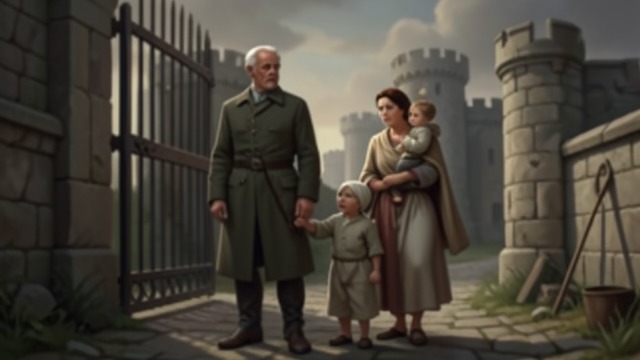
The fisherman arrives at Ringstetten Castle after hearing of Undine’s disappearance and Sir Huldbrand’s loss. He insists that Bertalda leave with him because her honor matters more than her attachment to the widowed knight.
He has lost his wife and the foster-daughter he loved, yet he still acts for Bertalda’s welfare. His severity contrasts with the choices driven by desire at the castle.
Belonging Remains Possible
Bertalda’s relationship with her parents has been damaged but not erased. The fisherman’s insistence holds open a route back to family responsibility.
The narrative leaves the outcome uncertain, emphasizing that kinship may demand a return even when affection has been refused.
The night Undine arrives
During Undine’s adolescence
The morning Undine leaves with her husband
During Bertalda’s name-day feast
After the knight dies
