
The Value of a Songwriter
UnforgivenLilith’s development as an artist challenges a life built around expecting nothing and reveals how recognition can enable, but not replace, self-belief.
increasing Bearing strength in each event
 decreasing
Bearing strength in each eventdecreasingThe Hidden Notebook

The Hidden Notebook
Songs kept private
Lilith writes lyrics in her black journal and plays her cracked guitar at a secluded creek. She treats music as the one part of her life that belongs entirely to her.
Art against despair
Her songs give language to experiences she cannot discuss at school or at home. The journal protects her voice, but its privacy also reflects how little she expects the world to value what she makes.
A Song Interrupted by Shame
A Song Interrupted by Shame
Exposure before peers
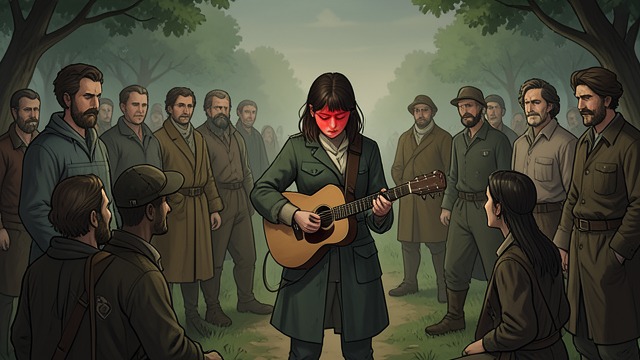
Lilith sings “Exile” after Cam helps her through stage fright. The audience’s mockery makes her feel that her private work has been exposed to people who want to hurt her.
The cost of being heard
She leaves in humiliation, but the experience also shows that fear does not prevent her from completing the song. Her artistic life begins to move beyond the refuge of solitary playing.
The Temptation to Withdraw
The Temptation to Withdraw
A boundary crossed
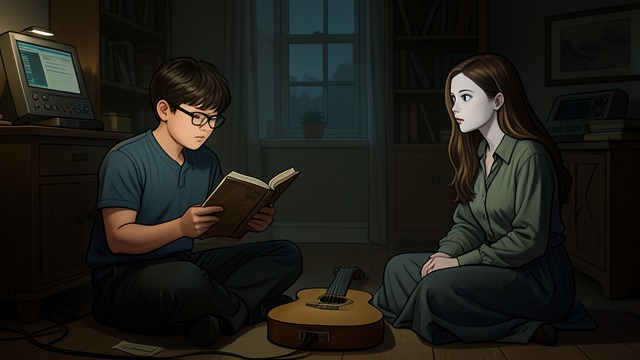
Cam reads Lilith’s journal and enters one of her songs in the contest without her permission. Even though he believes he is helping, he violates the privacy she relies on.
Protecting the work by hiding it
Lilith refuses to enter more lyrics and withdraws from rehearsal. Her reaction reflects how easily an opportunity can feel like another threat when she has little control over her own life.
Recognition and Self-Belief

Recognition and Self-Belief
An unexpected result
Ike Ligon praises “Somebody’s Other Blues” and tells Lilith she has won. Because she expects good things to be jokes, she struggles to trust the message.
A changed expectation
Friends celebrate with her, and Lilith begins to accept that she may be talented. Recognition does not create her ability; it helps her imagine acting on an ability she already possesses.
A Voice onstage
A Voice onstage
Creative leadership
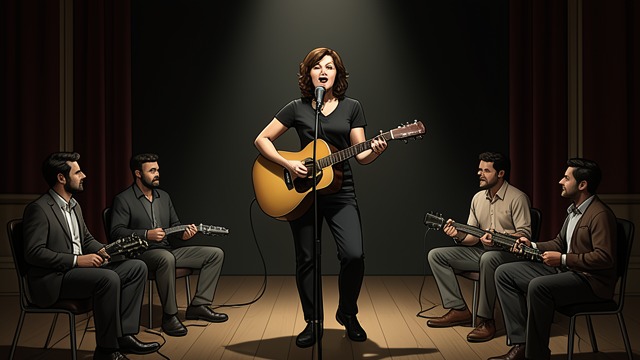
Lilith counts in Revenge and carries the song through its changing rhythms. Her bandmates follow her phrasing, making her writing the center of a collective performance.
Art beyond humiliation
The audience’s response is powerful even though the band later loses the contest. Lilith has moved from private survival through song to a public identity as a musician.
Before the first school performance
At the open mic early in the countdown
Twelve days before prom
Five days before prom
During Revenge’s prom performance
