Baruch’s paranoid schizophrenia
Unorthodox: The Scandalous Rejection of My Hasidic RootsBaruch’s paranoid schizophrenia turns an admired young scholar into the focus of a family crisis, exposing the gap between the care he needs and the care his community knows how to provide. His illness is described through both its effects on his speech and actions and the painful decisions made by Zeidy and Bubby in response.
Diagnosis and Background
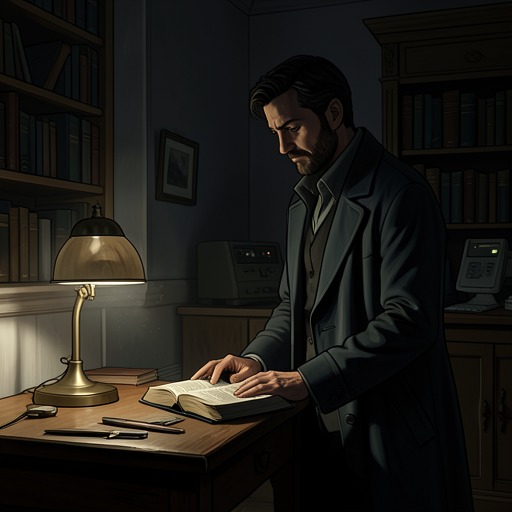
Baruch is the son of Devorah’s uncle Shulem. At seventeen, he suffers a breakdown that strikes Zeidy especially hard: Baruch had been his family’s prodigy, praised by rabbis and teachers for his outstanding Talmudic ability. By the time he is diagnosed with acute paranoid schizophrenia, he can no longer form coherent sentences and speaks in a language no one around him understands. The contrast between his former promise and his diminished ability to communicate makes the illness a loss felt across the family, not only a medical diagnosis.
Confinement and Crisis
For months, Zeidy keeps Baruch in a room in his office, while Bubby prepares food and passes trays through a small slot in the door. Zeidy fears that releasing Baruch could bring harm to the family if he wandered through Williamsburg in a state of severe disturbance. The confinement is also shaped by the community’s reluctance to place a mentally ill person in an institution. One night Baruch gets out by smashing through the door. The escape becomes a crisis: he damages what he can reach, and paramedics have to restrain and sedate him. Devorah watches from the upstairs landing, distressed by what is happening. The episode makes visible the consequences of trying to contain an illness at home without the expertise or resources needed to manage it.
Family Care and Communal Limits
Afterward, Bubby cleans the disorder Baruch has left behind. She had opposed keeping him locked away, but had yielded to Zeidy’s unilateral decision. Her distress and Devorah’s sympathy for her register the strain the arrangement places on the family as well as on Baruch himself. Devorah can understand Zeidy’s reasoning without believing that the confinement was adequate care. In their community, an asylum run by gentiles is regarded with suspicion: the family doubts that an outside institution would understand a Hasidic Jew’s needs or observe Jewish law. Zeidy’s decision is therefore framed as an effort to care for Baruch’s soul, even though he is ill equipped to manage the effects of the psychosis. Devorah fears that Baruch will be taken to an unfamiliar place and permanently separated from the only community he has known; the account presents this as her fear, not as a confirmed outcome.
Significance
Baruch’s illness complicates the ideal of the family as a source of pride and religious continuity. Zeidy understands the suffering involved in raising and protecting children as a test of faith, but Baruch’s crisis shows how devotion can coexist with fear, confinement, and inadequate support. The account neither dismisses Zeidy’s concern for religious belonging nor treats it as a substitute for effective care. Baruch remains a person with a history of intellectual promise and a place in his community, even as his illness disrupts both family life and the community’s confidence in its ability to care for him.