Pride and Prejudice
Unorthodox: The Scandalous Rejection of My Hasidic RootsPride and Prejudice is the novel Devorah turns to for pleasure, recognition, and an imagined language of independence. A cheap paperback discovered in a Manhattan bookstore becomes more than an escape: its courtship plot helps her examine a community in which marriage, status, and reputation shape women’s futures, while Elizabeth offers a figure whose resistance seems connected to her own.
Acquisition and Appeal
After getting off near Union Square, Devorah finds herself overwhelmed by the traffic, pedestrians, noise, and street smells. A Barnes & Noble sign gives her a destination. Inside, the display tables offer reassurance by selecting books for readers, but the bright, contemporary covers do not attract her. She prefers older stories, whose covers show women in silk and lace, and feels closer to their heroines than to modern characters.
She chooses a cheap paperback of Pride and Prejudice because its first sentence immediately announces a subject she longs to understand: marriage. The line about a wealthy single man’s presumed desire for a wife draws her toward a story about not only marriage itself but also the maneuvering involved in arranging it. In Devorah’s world, people will not discuss marriage or its practical details in front of a young, unmarried woman. The book therefore offers a possible source of knowledge where direct conversation is withheld. She reads in anticipation of her own eventual turn to discover the facts that others keep from her.
Reading and Recognition
The novel’s formal language and elegant tone are unfamiliar to Devorah, but they do not make it remote. She finds the deliberate phrasing thrilling, attentive to the suspense created by pointed words and carefully paced revelations. The book introduces her to pre-Victorian England, a setting at first distant from her experience; although her mother was born in the United Kingdom, the novel depicts a much earlier and different country. Devorah’s interest grows as she begins to recognize familiar social habits beneath that historical distance.
The gossip and maneuvering among the female characters recall the women around her. She sees a recognizable pattern in their chatter about others and the politeness that returns when the subject of gossip is present. This comparison makes the novel feel less like an account of an inaccessible past than a mirror in which social behavior can be examined from a slight remove.
Elizabeth is the strongest point of connection. Devorah laughs with her at hypocrisy and narrow-mindedness, and shares her anger at the injustices imposed by a society whose characters presume their own superiority. The identification is not simply admiration for a witty heroine: Elizabeth’s intelligence makes the limits placed on her seem especially humiliating. Devorah imagines that Elizabeth, too, might resent the position assigned to women, who are made into objects to be chosen by men holding the power. Elizabeth’s independence of spirit distinguishes her from the other women in the novel and makes Devorah eager to learn what becomes of her.
Marriage, Status, and Women’s Choices
The marriage plot gives Devorah a vocabulary for recognizing the pressures that govern her own prospects. Like the young women in the novel, she understands that her future will depend on the advantages of a marriage. Status and reputation matter in her community as they do in the book, though the measures differ: the English society she reads about weighs financial standing, while her own world places greater emphasis on spiritual standing. The forms of social currency change, but a woman’s future remains closely bound to how others assess her as a potential match.
Devorah is particularly troubled by the expectation that women parade themselves before distinguished men in hope of winning attention. She doubts that Elizabeth’s desire is simply to secure a wealthy husband; what matters to her is the heroine’s refusal to be reduced to that role. The novel’s relevance lies in the contrast between a woman’s intelligence and the narrow social position available to her. Devorah sees Elizabeth’s resistance as an alternative to accepting choices made by others, and wonders how a rebellion that appears graceful in fiction could be carried out in actual life.
Secret Reading and Imagined Independence
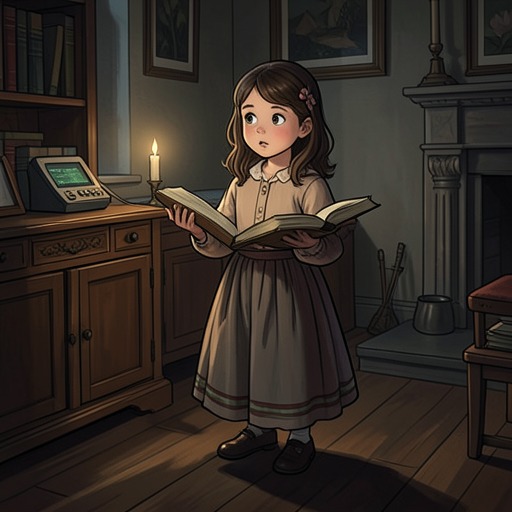
Devorah returns to the paperback whenever time allows, stealing chapters between other obligations. At school she pretends to take diligent notes while her attention wanders back to the novel. Netherfield becomes vivid in her imagination, and its inhabitants take shape in her mind. These stolen reading moments make the book a sustained private preoccupation rather than a single encounter in a bookstore.
Her attachment reaches beyond the pleasure of entering another world. Elizabeth’s fate feels intertwined with her own, and Devorah asks what story could be more relevant than that of a marriageable young woman rejecting decisions made for her and asserting her independence. The novel lets her imagine that dissatisfaction with imposed circumstances is not hers alone. Yet it also sharpens the distance between literary possibility and lived experience: she wishes Elizabeth could advise her on how to turn fictional rebellion into a workable action. Pride and Prejudice thus becomes both a companion and an unanswered question, giving Devorah a model of female self-direction without supplying a real-world plan for achieving it.