
Eli’s Failure to Become a Partner
Unorthodox: The Scandalous Rejection of My Hasidic RootsThis thread follows Eli from an apparently reassuring arranged match through marital breakdown, fatherhood, and the eventual separation that leaves Devorah to pursue independence without him.
increasing Bearing strength in each event
 decreasing
Bearing strength in each eventdecreasingThe Older Yeshiva Student
The Older Yeshiva Student
A carefully managed introduction
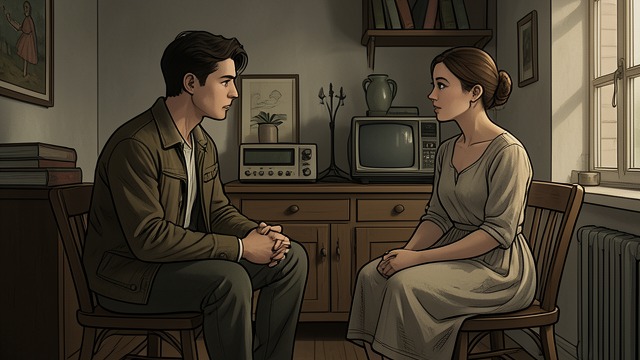
Eli meets Devorah through an arranged process that gives the prospective couple little time alone. At their first meeting, he appears modest and agreeable, offers polite answers, and tells her that he can handle difficult people.
Devorah is drawn to the possibility that he may be more flexible than his family. His account of wanting to see Europe beyond rabbis’ graves resonates with her longing to travel, so she imagines that their marriage might become a partnership in escape.
Promise without knowledge
The meeting leaves Devorah with little evidence about Eli’s private convictions or capacity to stand up to his family. Still, she accepts the engagement, partly because refusal is not presented as a genuinely open option.
Eli’s assurances create an expectation he will later fail to meet. Devorah believes she has warned him that she is different; he seems to promise acceptance, but neither has a realistic understanding of the pressure their marriage will face.
The Wedding Night Failure

The Wedding Night Failure
Intimacy without preparation
Eli and Devorah enter marriage with little knowledge of their bodies or of how to build mutual intimacy. Their first attempt at intercourse fails, and the confusion is compounded when Eli tells his father what happened, allowing private difficulty to become family business.
Both are under pressure to complete the marriage, but their embarrassment takes different forms. Eli becomes anxious about his performance, while Devorah feels exposed, blamed, and frightened that gossip will define her.
A private problem becomes communal
Relatives intervene with advice and expectations, including Chaya’s insistence that a husband must be treated as king in the bedroom. Instead of creating room for the couple to understand one another, the family response reinforces hierarchy and makes their sexual life a test of compliance.
The failed beginning establishes a pattern: Eli does not protect the marriage from outside pressure, and Devorah increasingly experiences intimacy as something demanded of her rather than shared between them.
Returning After Abandonment
Returning After Abandonment
Leaving at a vulnerable moment
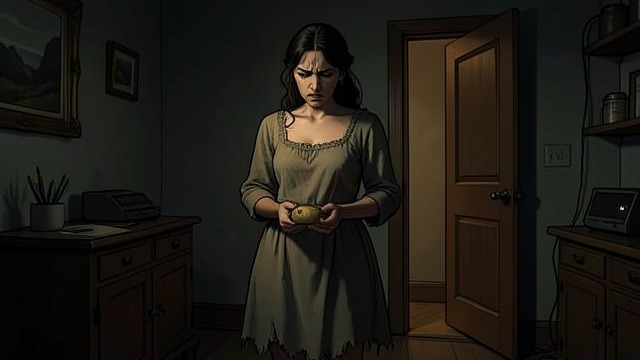
As the couple’s difficulties persist, Eli leaves home after pressure from his family. Devorah learns from his mother that he will not return that night and understands that his relatives believe divorce is preferable to confronting the problem together.
The abandonment strikes at Devorah’s fears of having no home or support. Her anger grows alongside her anxiety, because Eli has chosen withdrawal and family influence instead of speaking honestly with her or standing beside her.
An apology without repair
Eli returns the next morning and apologizes; Devorah takes him back, though inwardly she feels that something fundamental has been severed. His family’s influence and his failure to defend her remain unresolved, and she sees that reconciliation does not restore trust.
The episode marks a change in Devorah’s view of Eli. She had hoped he would love and accept her despite her differences, but now suspects that his promise to handle her meant expecting her to bend to his world.
Fatherhood and Repeated Harm
Fatherhood and Repeated Harm
Hope placed in a son
Eli tells Devorah that he wants to give a son what he did not receive from his own father. His emotion during the pregnancy gives her reason to hope that he might become a gentler parent than the men who raised him.
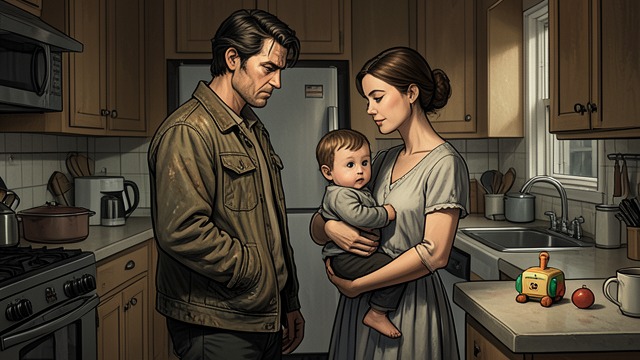
That hope is tested in everyday care. When Eli loses his temper while helping toilet-train their toddler, Devorah sees fear in Yitzy’s face and removes Eli from the task, later refusing to let him bathe or dress the child when she worries he may react harshly.
A partnership that narrows
Eli’s behavior leaves Devorah managing the child’s safety and the emotional temperature of the household. She threatens to call the police when he mishandles Yitzy, but she does not do so, remaining caught between protecting her son and preserving a fragile family structure.
The conflict reinforces her fear that the patterns she escaped in childhood could be passed to Yitzy. Eli’s stated intention to be a good father matters, but it cannot substitute for dependable, gentle conduct.
A Marriage Left Behind

A Marriage Left Behind
Trust gives way
By 2009, Devorah is privately planning a life beyond the community, while Eli remains part of the household she is preparing to leave. After her car crash, she confronts him over the unsafe tires he had refused to replace and asks whether he could afford to lose her or Yitzy.
Eli shows no remorse, and the moment confirms how little confidence remains between them. They later attend religious marriage counseling, but Devorah has already decided that she will not return to the marriage as it was.
Separation without a shared future
When Eli suggests divorce, Devorah does not fight to preserve the relationship. She leaves with Yitzy, sells or abandons much of what their life together contained, and begins establishing an independent home.
Eli’s fate in the memoir is not a transformed partnership but a separation that makes Devorah’s decision visible. Her departure ends the expectation that she must keep the marriage intact at the expense of her judgment and her son’s future.
At twenty-two, when Eli meets Devorah
At the wedding in August, when Devorah is seventeen
During the first year of marriage, after Eli leaves home
After Yitzy’s birth, during the family’s years in Airmont
In 2009, after the September 9 car crash
