
The Ward’s Fraying Community
UpA group of isolated patients slowly creates mutual support, but conflict, departures, and institutional neglect repeatedly threaten the fragile community.
increasing Bearing strength in each event
 decreasing
Bearing strength in each eventdecreasingA Circle Without a Group
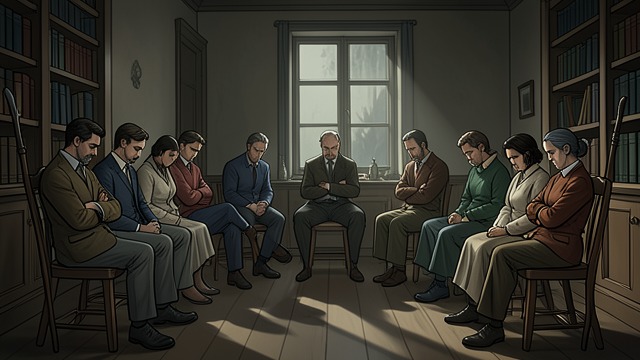
A Circle Without a Group
People in one room
During day opening, patients sit together but scarcely respond to one another. Staff manage announcements and rules while fatigue and resentment fill the silences.
A community not yet formed
Emma sees the group as disconnected individuals rather than a source of belonging. She intends to leave soon and does not want to invest in relationships that may not last.
The initial isolation makes later cooperation feel earned rather than automatic.
Iefke Names the Door
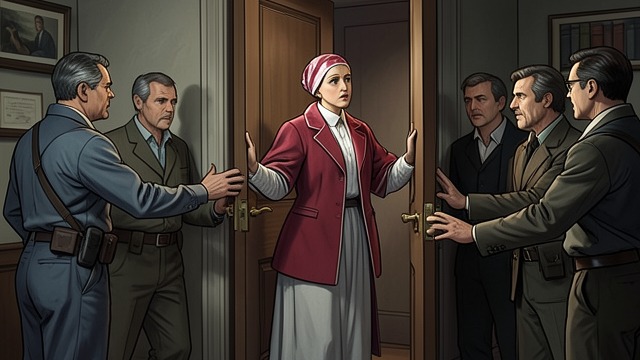
Iefke Names the Door
Fear made visible
Emma asks Iefke why she is repeatedly late. Iefke admits that she can stand behind her bedroom door for minutes, unable to open it and enter the group.
Help offered collectively
The patients realize that her lateness is not indifference. They offer to knock, accompany her, and make entry easier instead of demanding that she manage alone.
A small practical accommodation begins to change the group from an audience into a support network.
Linda’s Departure

Linda’s Departure
A valued member moves on
Linda decides that the PAAZ may not contain the answers to the stress and hair loss that brought her there. She plans to leave and reconsider the demands of her work.
The group marks the moment
Emma brings Linda and Iefke to turn paintings upside down, creating a private farewell ritual. Their shared laughter gives Linda a memorable last evening on the ward.
The departure shows that leaving can be an act of care rather than abandonment.
The Chair Through the Glass

The Chair Through the Glass
A conflict erupts
Michiel throws a chair through the garden-door window after Emma finds his cigarette case in the trash. The ward’s fragile routine gives way to shock, fear, and broken glass.
Care continues after the rupture
Patients help secure the door and accompany Beatrice, who has been badly shaken. Staff return to manage the damage, but the group has to respond before institutional care catches up.
The crisis exposes both the community’s vulnerability and its capacity to act together.
Farewell Without Resolution
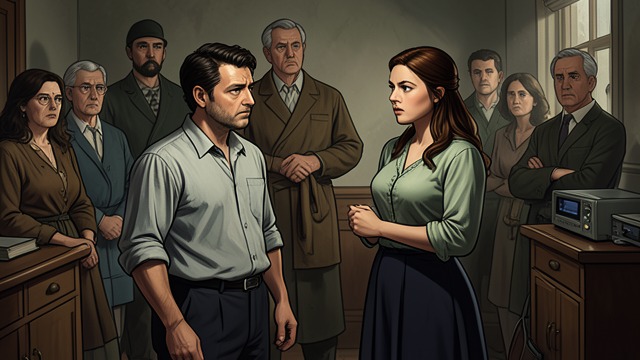
Farewell Without Resolution
A difficult return
Michiel comes back after an unexplained absence, and Emma feels relief and anger at once. Their conversation reveals his history, including his sister’s suicide and his own decision to seek treatment.
Leaving does not erase bonds
Michiel plans to enter treatment in Aruba, while Emma prepares to go home. They promise to protect one another from future suicidal acts, without pretending that their friendship can solve either person’s illness.
The group’s connections remain meaningful even as its members leave separately.
The first Monday of Emma’s admission
Early in the admission, during activity therapy
Late in the admission, on the evening before Linda leaves
Several weeks into the admission, during the medication search
Emma’s final days, after Michiel returns to the ward
