
Patients Becoming a Community
UpThe patients’ tentative fellowship develops through practical acts of accommodation, shared disclosure, and grief, without becoming a substitute for professional care.
increasing Bearing strength in each event
 decreasing
Bearing strength in each eventdecreasingNames Without Knowledge
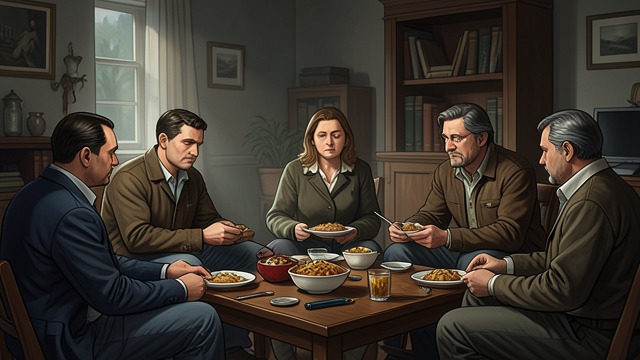
Names Without Knowledge
A group in the same room
Emma learns names and fragments of each patient’s story during meals and day openings. They share a ward but remain strangers who often retreat into their own routines.
The limits of forced company
Being gathered together does not automatically create trust. The group contains friction, silence, and private histories that no schedule can make immediately accessible.
The early atmosphere establishes how much work genuine fellowship will require.
Helping Iefke Arrive
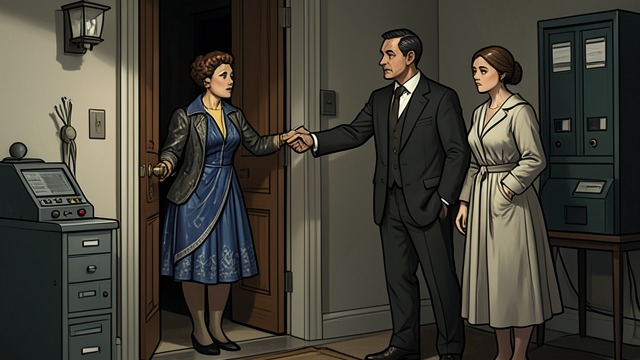
Helping Iefke Arrive
A practical offer
Once Iefke explains her fear of opening her door, Dimitri and Linda offer to knock and help her reach the group. The offer addresses the actual barrier instead of judging the visible lateness.
Mutual accommodation
Dimitri points out that patients already make room for one another’s habits and needs. The group can include Iefke’s difficulty just as it includes other people’s routines.
Care begins as an ordinary act of waiting and accompanying.
Talking About Delusions
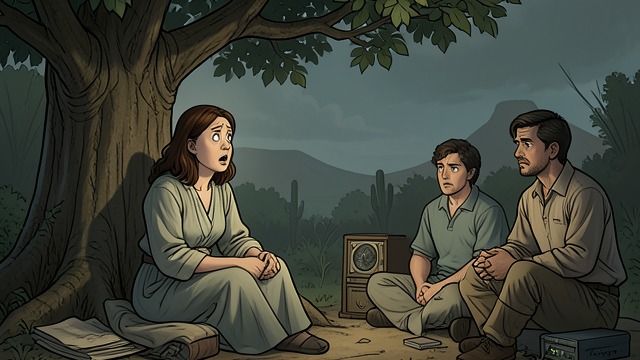
Talking About Delusions
Disclosure among peers
Emma tells Iefke and Linda about hallucinations and delusions, using examples such as snakes mistaken for branches and beliefs that feel impossible to dislodge. She does not present herself as a medium or a spectacle.
Recognition from others
Dimitri shares his past experiences of a brain tumor, while Lonneke and others listen. The conversation shifts the group from curiosity about Emma toward recognition that altered perception can affect different lives.
Shared experience reduces isolation without making the experiences identical.
Supporting Beatrice
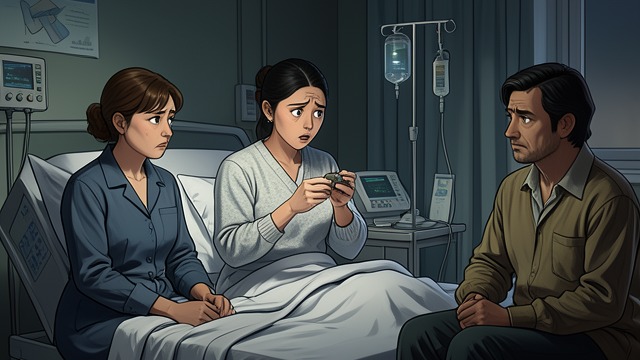
Supporting Beatrice
A patient reaches another patient
Emma finds Beatrice alone with medication and recognizes the urgency of the situation. She uses Beatrice’s own promise to wait until Christmas as a reason to bring the bag back to staff.
The group’s care extends
Afterward, staff take responsibility for Beatrice, while other patients help manage the ward’s broken door and emotional aftermath. The support is shared rather than left to Emma alone.
The episode shows fellowship as concrete help under pressure, not simply warm conversation.
Making a Farewell Ritual
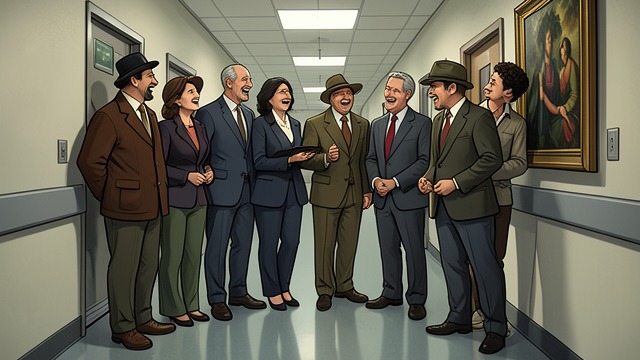
Making a Farewell Ritual
A shared act of play
Emma leads Linda and Iefke through the corridors to turn paintings upside down. Their private joke gives shape to the sadness of Linda’s final night.
Belonging without permanence
The patients laugh together while knowing that the group will change as people leave. Their connection does not depend on pretending that the PAAZ is a permanent home.
The ritual makes a temporary community feel real enough to remember.
The first days of the admission
Early in the admission, after Emma asks about Iefke’s lateness
Several weeks into the admission, during an evening in the lounge
Late in the admission, after Beatrice finds the missing medication
The night before Linda’s departure
