
Care, Shame, and the Meaning of Family
UpEmma’s family bonds are tested by her concealment, but both her mother and sister reveal that their actions arise from care complicated by fear and exhaustion.
increasing Bearing strength in each event
 decreasing
Bearing strength in each eventdecreasingEmma’s Habit of Concealment

Emma’s Habit of Concealment
Protecting others from worry
Emma routinely minimizes depression and avoids telling family when she is in danger. She believes that keeping her needs private prevents her from becoming a burden.
The unintended distance
Because she does not disclose her admission promptly, Elise and her parents are left to infer what is happening. Her protective silence creates the very uncertainty and worry she hoped to prevent.
The pattern makes love difficult to recognize when it arrives through imperfect communication.
Elise’s Anger
Elise’s Anger
A sister left outside
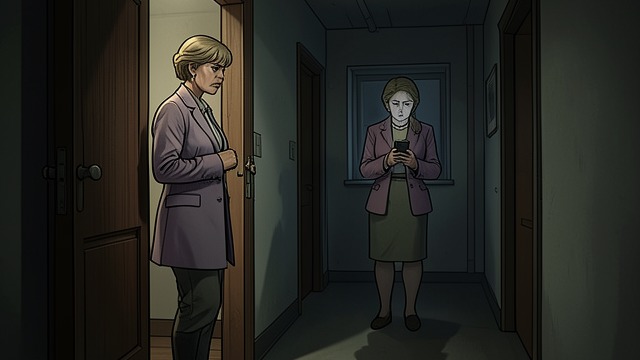
Elise learns that Emma has spent several days on the PAAZ without telling her. She is hurt that Emma continued to make contact while hiding the most important fact.
Anger with attachment underneath
Elise says she cannot handle the news, but later assures Emma that she wants to be told and will pass the information to their parents. Her anger reflects the strain of caring, not the absence of love.
The exchange pushes Emma to see that disclosure can be a form of trust.
Parents in the Background

Parents in the Background
A family protecting in parallel
Emma’s parents are dealing with David’s crisis while Emma believes they are simply unaware of her own. Each side is trying to avoid burdening the other.
Silence doubles the strain
The family’s protective choices leave everyone isolated at a moment when several members need support. Emma’s later conversation with her mother reveals that care can be sincere and still feel like exclusion.
The family must learn to share distress rather than compete over who deserves protection.
A Mother’s Explanation

A Mother’s Explanation
Hospital as remembered loss
Vera explains that the hospital is bound to three miscarriages and to the fear of losing Emma during her earlier admission. Her absence was not shame about Emma but a painful response to the place itself.
An assumption corrected
Emma hears the explanation and understands how a daughter’s interpretation and a mother’s history can coexist without either being malicious. They speak about a wound neither had previously named clearly.
The conversation replaces blame with a more complicated form of recognition.
Care After Discharge

Care After Discharge
A promise of continued contact
Vera invites Emma to accompany her on a visit to David, and Emma agrees. Their connection now includes a concrete future action, not only discussion of past hurt.
A family still learning
Emma does not claim that the family is healed or that its burdens are over. She recognizes that she can remain a daughter and sister while also receiving care for herself.
The bond grows through shared presence rather than through a perfect understanding of illness.
Before and during the first week of the current admission
The first week of Emma’s readmission
During the same week, while Emma is on the PAAZ
During the restaurant visit in Emma’s fifth week
At the end of Vera’s visit and after discharge
