
The Caregiver’s Presence
UpEmma and the ward’s nurses negotiate a fragile relationship between institutional responsibility and human presence, as staff themselves struggle with loss, workload, and limits.
increasing Bearing strength in each event
 decreasing
Bearing strength in each eventdecreasingRules and Restrictions
Rules and Restrictions
Safety through limits
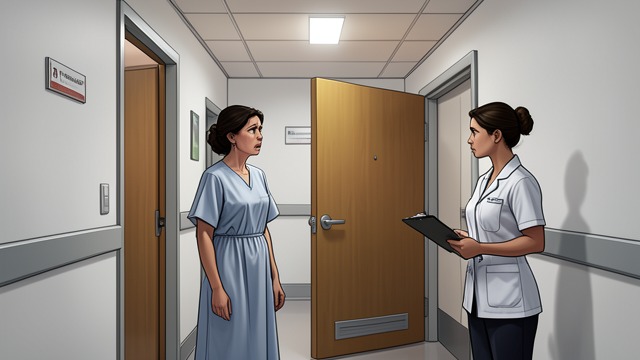
Emma is admitted to the open ward without leave privileges because of her suicide plan. She knows the rules but finds their practical boundaries confusing when staff give inconsistent guidance.
Autonomy under supervision
A visit to the upstairs secretary becomes a dispute over whether she may leave the unit. Emma sees a simple efficiency; staff see a restriction they have not clearly explained.
The conflict shows that safety rules can feel arbitrary when communication fails.
The Medication Handover
The Medication Handover
A bag left within reach
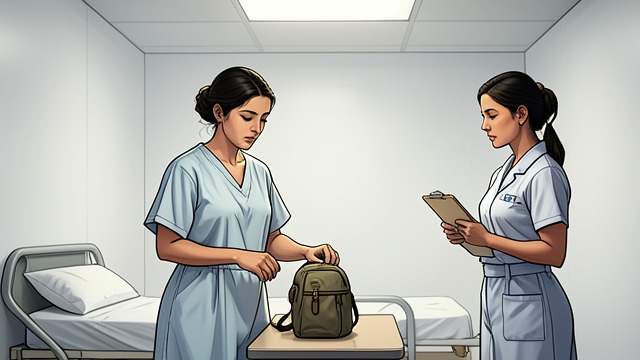
Bas leaves medication near Emma’s room, unaware of the significance of the delivery. Emma sees it as a possible opportunity and reaches for it before returning it.
Responsibility becomes visible
Bas asks whether he can trust her after she secretly saved pills for an overdose. Emma answers honestly that she is trying to learn how to lie, revealing the difficulty of making safety depend on trust alone.
The encounter demonstrates that systems and individual vigilance must work together.
Nurses on the Other Side
Nurses on the Other Side
Staff concentrated on the locked ward
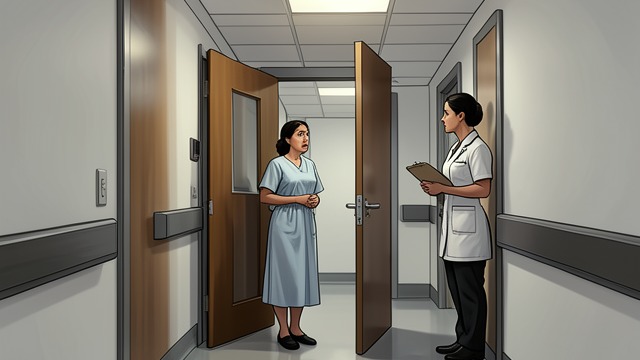
Emma sees nurses spending much of their time behind the locked-side door. The open ward’s patients are expected to organize themselves and often cross over for company.
Feeling unnecessary
Sandra worries that entering a patient gathering might make staff feel intrusive. Emma argues that nurses’ presence matters precisely because patients should not have to provide all their own care.
The disagreement exposes an institutional blind spot about emotional labor.
The Emergency Referral
The Emergency Referral
A medical risk emerges
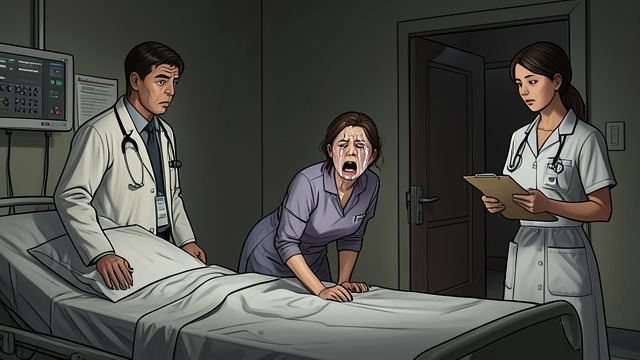
Emma develops breathlessness, abdominal pain, and a high heart rate while taking Tegretol. Rajid worries about a possible pulmonary embolism and requests urgent medical assessment.
Staffing competes with urgency
The ward is managing another patient in crisis, and staff ask Emma whether she can go to the emergency department alone. She agrees despite her weakness and makes the journey without an escort.
The episode exposes the cost of understaffing at the boundary between psychiatric and physical care.
Karel’s Walk

Karel’s Walk
Presence before advice
Karel notices Emma’s distress and takes her walking in the cold rather than demanding an immediate explanation. He talks about family celebrations, giving her attention that is personal but not intrusive.
Ordinary life as support
His story about his wife, children, and son briefly lets Emma imagine a life outside the ward. The walk does not solve the crisis, but it helps her remain present until the immediate wave passes.
Care appears here as time and companionship, not only treatment or rules.
The day of Emma’s admission
The first Friday evening on the ward
During the first weeks, as Emma observes the ward’s daily routine
Mid-admission, after Emma develops severe physical symptoms
After Emma’s distressing conversation with Lars
