
Drug Use, Safety, and Responsibility
UpMichiel’s self-image as a controlled intermediary collides with the ward’s vulnerability, forcing patients to debate when personal choice becomes harm to others.
increasing Bearing strength in each event
 decreasing
Bearing strength in each eventdecreasingThe Self-Medication Defense
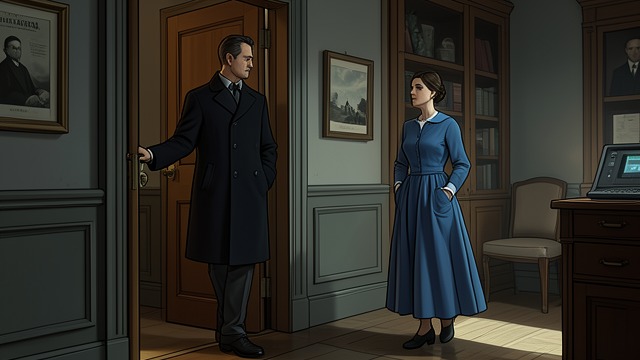
The Self-Medication Defense
A dealer reframes his role
Michiel tells Emma that he refers existing customers to a supplier rather than dealing directly from the ward. He insists that he avoids addicts and believes his conduct is controlled and selective.
The ward as territory
He says he is trying to keep outside dealers away from patients. His account presents rule-breaking as protection, while also exposing the extent to which he treats the unit as his own domain.
The conflict begins with competing definitions of harm and control.
Amelie’s Relapse
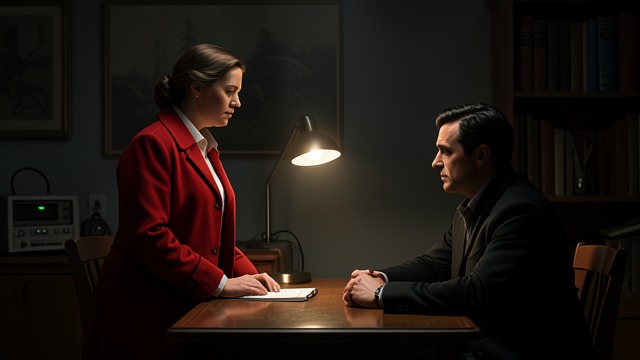
Amelie’s Relapse
A recovery disrupted
Amelie relapses after spending hours talking with Michiel about drugs. She had been clean for two years, and the relapse places her relationship with her child at risk.
Blame becomes immediate
Iefke accuses Michiel of drawing Amelie back toward use, though the circumstances and responsibility are more complicated than the group’s anger allows. The ward has failed to recognize the danger in time.
The incident turns abstract discussion of influence into a visible consequence.
A Personal Attack
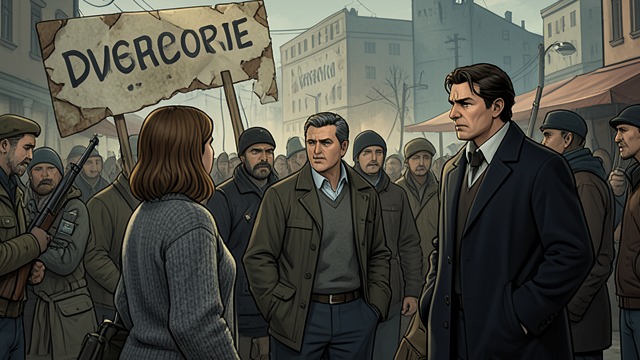
A Personal Attack
Concern turns cruel
Iefke invokes Michiel’s adoption and the death of his sister while accusing him of harming Amelie. She means to make him feel the weight of his actions but strikes directly at his deepest grief.
Silence instead of violence
Michiel becomes visibly furious, yet he leaves with the dog rather than attacking Iefke. His departure is both an act of restraint and a sign that the group has reached a dangerous point.
The conflict shows that holding someone responsible does not justify humiliating them.
The Door as Protest
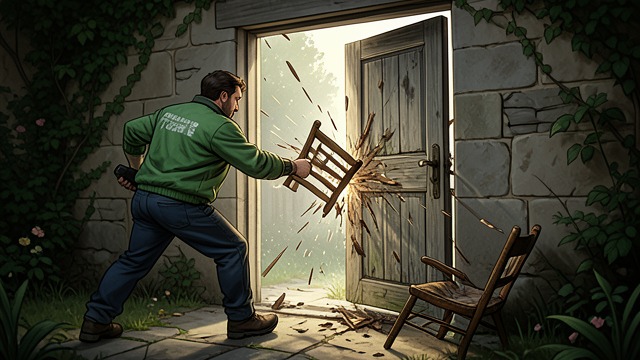
The Door as Protest
A reckless act with a target
Michiel throws a chair through the broken garden door after losing his sister’s photograph. He later argues that the damaged chair and long-neglected door were already problems.
A repair finally promised
The staff say the glass will be replaced, and Michiel presents the action as a way to force attention toward a need that had been ignored. The patients, however, experience the violence and its consequences directly.
The protest raises the question of whether a useful result can justify a harmful method.
Leaving for Treatment

Leaving for Treatment
Admission of addiction
Michiel tells Emma that he is addicted to the state of intoxication and that he is leaving for a treatment placement in Aruba. His earlier claim that he only needed to cut back no longer holds.
A different beginning
He plans to speak with his adoptive parents and confront the family story he has protected through silence. Emma offers hope without pretending that recovery is assured.
The conflict moves from self-justification toward accepting a need for structured help.
Several weeks into the admission, during Emma’s conversation with Michiel
Later that week, after Amelie returns under the influence
Immediately after the group confronts Michiel
Later in the admission, during the medication-search crisis
Near the end of Emma’s admission
