
Light, Darkness, and Mood
UpThe novel’s shifting light imagery tracks Emma’s changing states, from manic illumination and depression’s shadow to a more grounded present.
increasing Bearing strength in each event
 decreasing
Bearing strength in each eventdecreasingThe Bright Morning
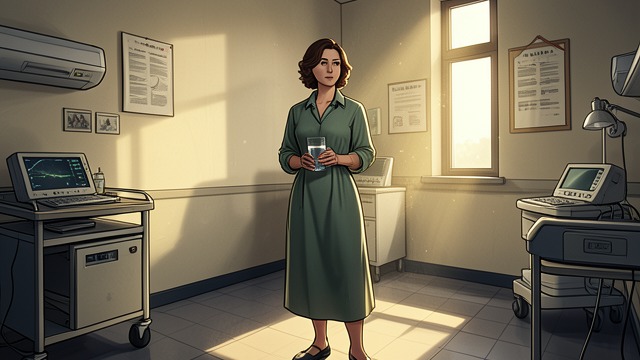
The Bright Morning
Light as certainty
Emma experiences the hospital as vivid and alive, taking sunshine and ordinary movement as signs that she is finally well. The opening song about darkness gives the brightness an uneasy undertone.
Confidence without balance
Her light is not simply happiness; it carries speed, certainty, and a desire to make the feeling permanent through death. Others see the risk that Emma’s own interpretation conceals.
The imagery makes euphoria both beautiful and dangerous.
The Chapel’s Colored Light
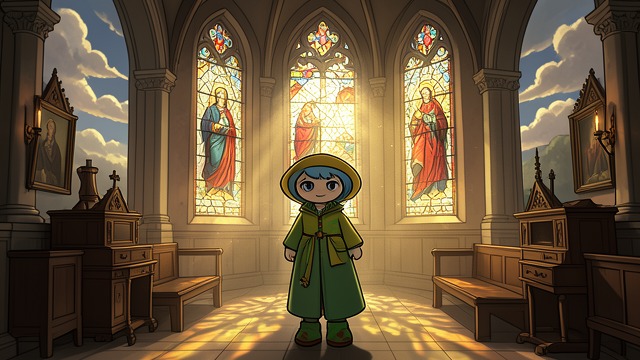
The Chapel’s Colored Light
Illumination as revelation
The chapel’s stained glass seems to confirm Emma’s cosmic importance. Light appears to deliver certainty, while darkness contains a waiting threat.
Illumination fades
When clouds cover the sun, the revelation collapses and the glass becomes ordinary. The same environment that seemed sacred becomes cramped and frightening.
The light motif shows that intensity alone cannot distinguish truth from delusion.
The Depression’s Shadow
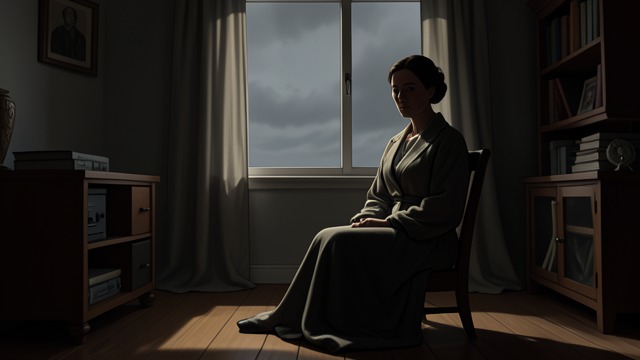
The Depression’s Shadow
A familiar darkness returns
As the side effects fade, Emma’s mood settles into a dull and persistent depression. The ward feels empty, and even work and affection become difficult to reach.
Hope loses its old form
She fears that a bipolar diagnosis means there will never be a final depression. The possibility of recurring darkness makes her question whether happiness can be trusted.
The shadow is not a passing image for Emma but a condition that changes what the future seems to contain.
The Present Light
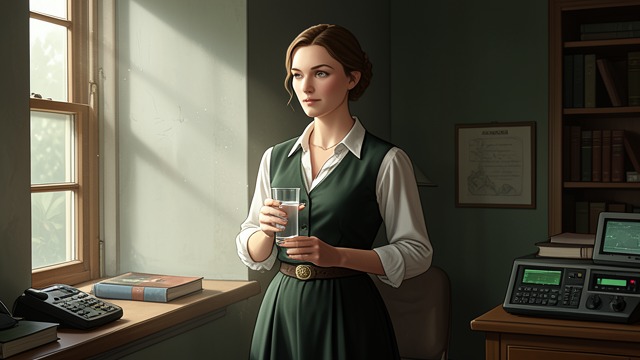
The Present Light
A new metaphor
Emma describes mania as light ahead and depression as a shadow behind. She begins to imagine keeping light above her in the present rather than fleeing toward intensity or despair.
Ownership without cure
The moods may remain, but Emma can begin to regard them as experiences she has rather than forces that wholly define her. The image offers a way to live with cycles rather than outrun them.
The metaphor marks movement from idealized happiness toward grounded self-understanding.
Hello Darkness Again

Hello Darkness Again
The opening returns
At the demolished ward, Emma recalls the song that framed her opening morning. Darkness is no longer only a threat or a poetic companion; it is part of a life she continues to inhabit.
Making room for the image
She sees the dog in the shadows and accepts that it belongs to her perception. Sergei and Siem anchor her in a shared, physical world without requiring her to deny her mind.
The ending returns to the opening image but gives Emma a different relationship to it.
Opening Friday morning, before Emma’s appointment
Mid-admission, during Emma’s psychotic episode
After the Tegretol reaction and during Emma’s depressive return
Near the end of the admission, during Emma’s conversation with Beatrice
Four months after discharge, at the empty PAAZ site
