
The Bridge Crisis and Return
UpEmma Nieuwenhuis reaches a suicidal crisis after a damaging therapy conversation, then chooses contact with other people rather than facing the danger alone.
increasing Bearing strength in each event
 decreasing
Bearing strength in each eventdecreasingThe Threat of a Last Station
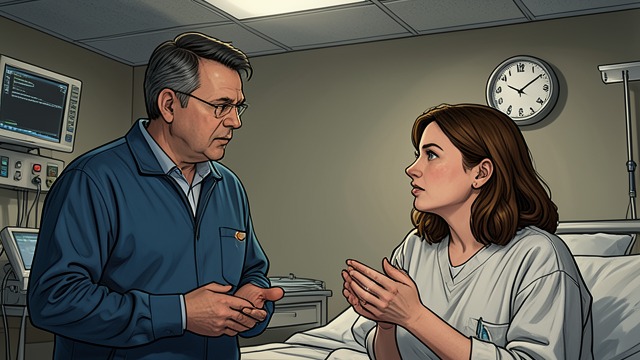
The Threat of a Last Station
A frightening interpretation
Lars tells Emma that repeated admissions may eventually exhaust the available options and lead to long-term placement. His attempt to confront a pattern instead sounds to her like a declaration that help will soon end.
Hope collapses
Emma hears the conversation as proof that she has failed and that even the PAAZ may no longer be available to her. Her established fears of being burdensome and beyond help converge.
The session transforms clinical concern into an acute personal threat.
The Walk Away

The Walk Away
Permission without protection
Emma tells Gwen that she needs air and receives permission to walk, carrying her phone. She leaves the ward in a state of despair, but neither she nor Gwen can yet see how dangerous the outing has become.
A bridge draws her attention
At the bridge, Emma grips the cold railing and looks down at the road. She imagines that jumping could end the pain and the fear that her last refuge is disappearing.
The movement from a therapy room to a physical edge turns emotional collapse into immediate danger.
A Rule Against Isolation

A Rule Against Isolation
Remembering the aftermath
Emma recalls the harm a suicide would cause to Gwen and others who had tried to help her. She also remembers the principle that she should not end her life immediately after a conversation with a therapist.
Choosing a different action
Rather than leap, Emma steps away from the railing. This does not remove her despair, but it creates enough space to make another decision.
The decision is a small act of survival grounded in concern for others and in lessons learned during care.
Calling Her Mother
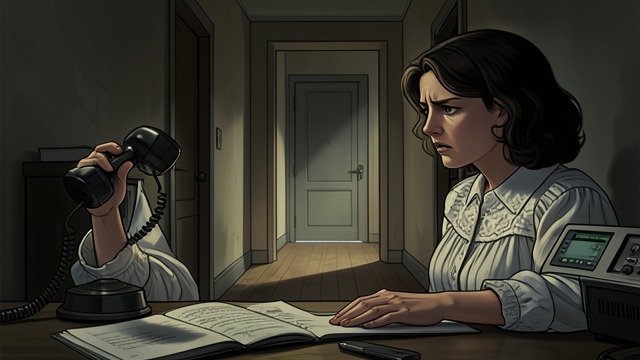
Calling Her Mother
A familiar number
Emma first tries Sergei and reaches voicemail, then calls her mother. She explains how Lars’s words affected her rather than concealing the crisis behind a reassuring account.
An unexpected response
Her mother responds with anger on Emma’s behalf and offers to collect her. Emma declines, but the conversation makes clear that she is not alone and can ask for support.
Reaching out changes the crisis from a private, lethal decision into an experience shared with someone who cares.
Returning to the Ward
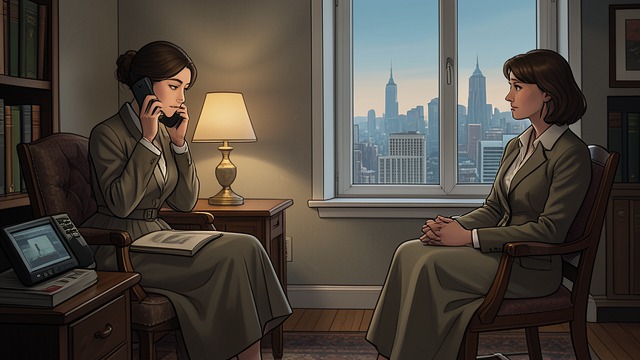
Returning to the Ward
Contact instead of concealment
Emma calls Gwen back and agrees to another conversation with Lars. She does not treat the call as proof that everything is fixed; it is simply a way of remaining connected and continuing the discussion.
A changed self-understanding
Emma recognizes that she has acted differently from the isolated child she remembers on a balcony. The danger remains serious, but asking for help has become possible.
The return marks a turning point from solitary endurance toward deliberate connection.
Several weeks into admission, during a session with Lars
Immediately after the session with Lars
At the bridge, moments after Emma considers jumping
On the bridge, after Emma turns away from the railing
That evening, after the phone call from the bridge
