
The Utopian Working Day
UtopiaThis flow traces how Utopian labor is organized to supply necessities while limiting toil and making room for learning.
increasing Bearing strength in each event
 decreasing
Bearing strength in each eventdecreasingAgricultural Training
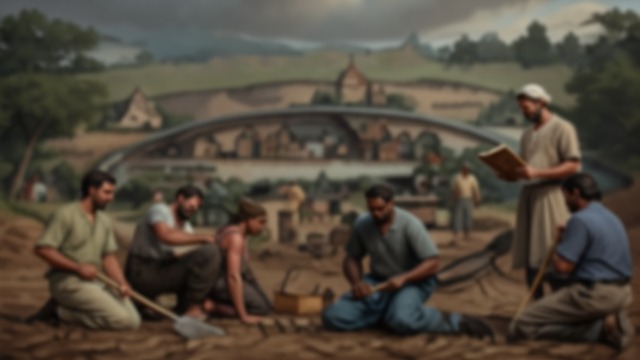
A Common Skill
Learning to Cultivate
Utopians learn agriculture through schooling and practical work in nearby fields.
Universal training makes food production a shared responsibility rather than a specialized burden.
Additional Trades
Each person also learns a useful craft.
Six Hours of Work

Time Divided
Labor and Rest
The working day assigns six hours to work, split between morning and afternoon.
The schedule rejects the exhausting pattern Raphael attributes to laborers in other societies.
Leisure Has Purpose
Reading and chosen activities fill much of the remaining time.
Useful Work for All

Reducing Idleness
Labor Widely Shared
Magistrates work by example, while few people are exempted from productive activity.
The system redirects labor from luxury, status display, and occupations Raphael considers unnecessary.
Abundance Explained
A small working population can supply society when fewer people are idle.
Leisure for Learning
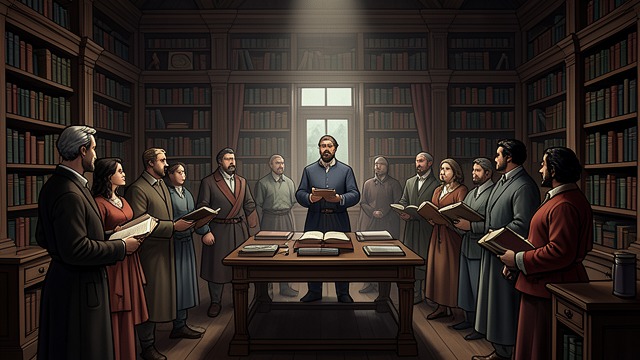
Time for the Mind
Public Lectures and Reading
Many Utopians attend lectures or study during hours not assigned to work.
Leisure is treated as a public good and a means of cultivating judgment.
Social Enjoyment
Meals, conversation, gardens, and music also shape shared life.
The System Tested
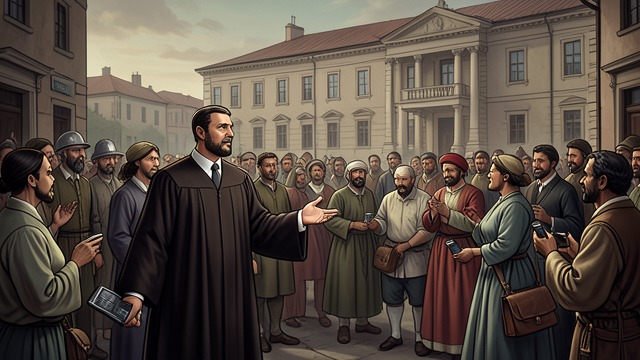
A Challenge to Abundance
More’s Objection
More questions whether people would work reliably without private incentives.
Raphael answers by pointing to institutions and habits unlike those of European society.
A Persistent Question
The debate tests whether social structure can change human conduct.
From childhood in Utopian communities
In the ordinary daily routine described by Raphael
During Raphael’s explanation of the labor system
After daily work, during the regular Utopian schedule
During More’s response to Raphael’s account
