
More’s Remembered Family
UtopiaThis flow follows the personal separation from More’s family that frames his companionship with Giles during the embassy.
increasing Bearing strength in each event
 decreasing
Bearing strength in each eventdecreasingLeaving Home
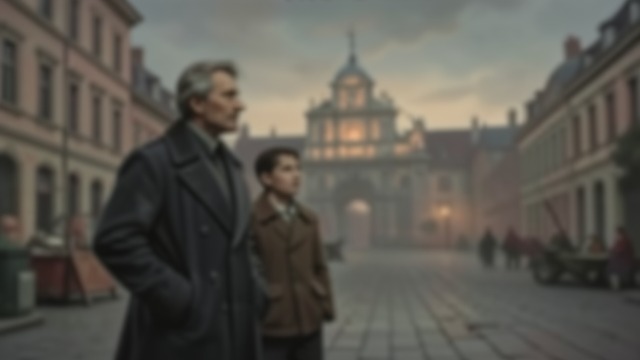
An Embassy Away
Family at a Distance
Thomas More leaves his wife and children while traveling on diplomatic business.
The absence gives the Antwerp frame a personal cost beyond public service.
Time Accumulates
The narrative notes that his longing grows during the journey.
Months Abroad
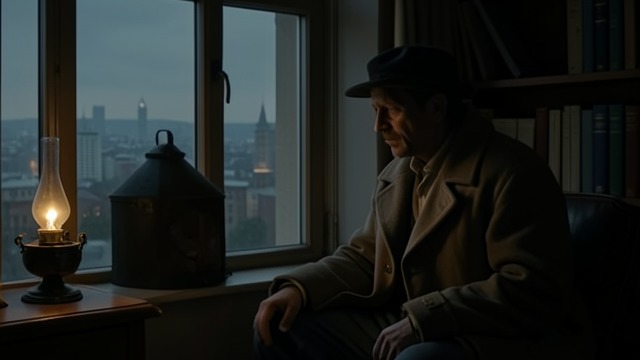
Longing Intensifies
Private Separation
More’s absence from his family sharpens his desire to return to England.
The story presents political travel as an interruption of intimate obligations.
Companionship Helps
Peter Giles’s conversation makes the separation easier to bear.
A Friend’s Company

Hospitality as Comfort
Giles’s Presence
Peter Giles’s kindness lessens More’s homesickness during the diplomatic delay.
The friendship supplies ordinary human warmth within a foreign city.
A Place to Listen
That comfort makes the garden conversation possible.
Absorbed in Conversation
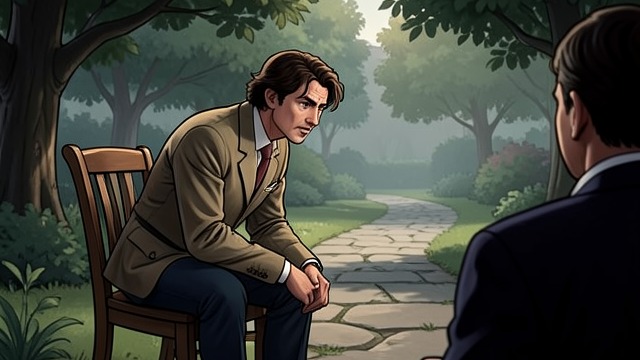
Attention Away from Home
The Island Holds the Room
More asks for a full description and listens closely as Raphael explains Utopian life.
Intellectual curiosity temporarily displaces the immediate pull of his family absence.
A Shared Occasion
Giles helps sustain the social setting of the account.
Return Still Desired
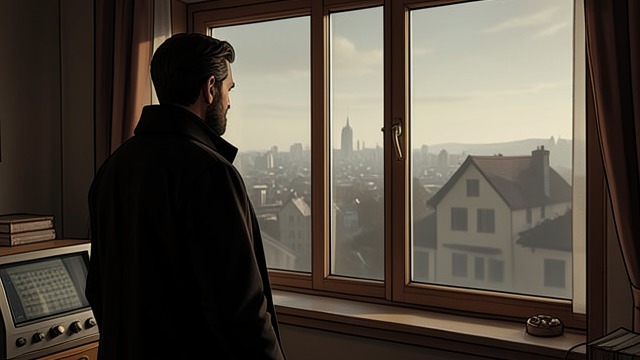
Home Remains Beyond Reach
No Journey’s End Yet
The dialogue ends without resolving More’s absence from his family or his diplomatic duties.
His private longing remains part of the frame around the imagined commonwealth.
Human Scale
The personal detail grounds political speculation in ordinary attachment.
1515, before More’s months abroad
After four months away from home
During the Antwerp stay, before Raphael’s introduction
During the afternoon Raphael describes Utopia
At the close of the Antwerp conversation
