
The Utopian Family and Community
UtopiaThis flow traces how households, communal meals, and public care bind private family life to the wider Utopian society.
increasing Bearing strength in each event
 decreasing
Bearing strength in each eventdecreasingHouseholds and Elders
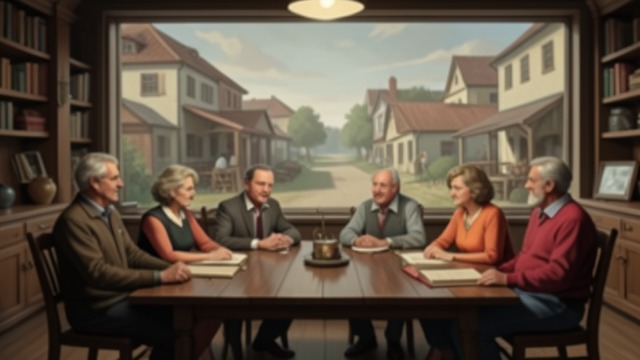
Kinship as Structure
Generations Together
Utopian households include related generations, with the oldest capable member guiding the family.
Domestic authority connects personal care to the wider organization of the city.
Families Rebalanced
Children may move between households to moderate differences in family size.
Shared Tables
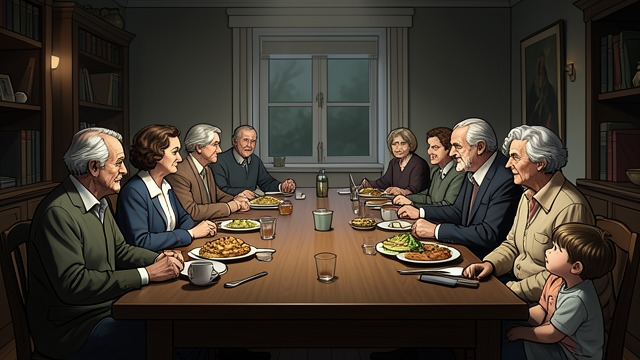
Eating Together
The Public Hall
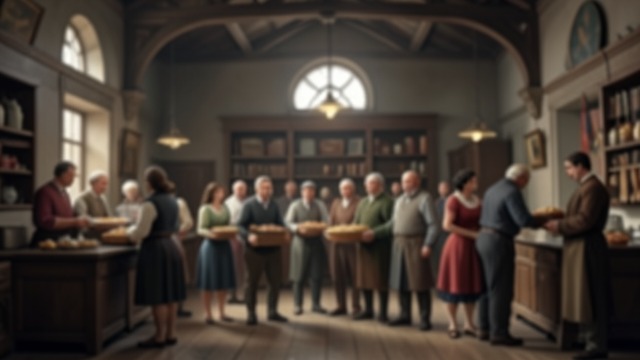
Residents gather in communal halls for meals organized according to the needs of each group.
Shared dining turns nourishment into a regular practice of civic belonging.
Generations in Conversation
Older and younger people sit together and exchange knowledge.
Care for Children
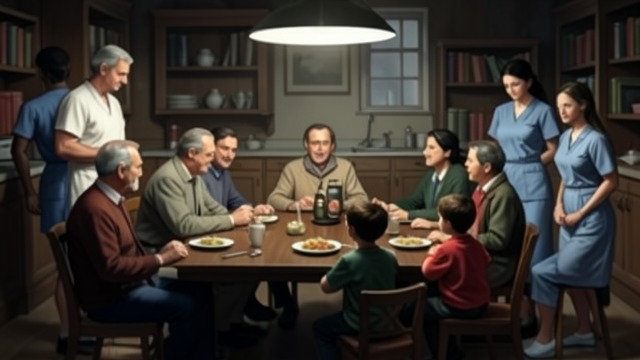
Children Among Adults
A Collective Setting
Nurses care for young children near the communal dining space, while older children take part in its routines.
Family responsibility remains visible within a shared public environment.
Support Beyond One Household
The community helps find a nurse when a mother cannot provide care.
Hospitals and Compassion
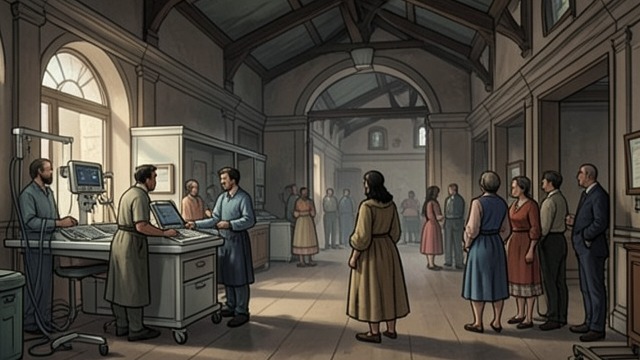
Care for the Sick
Shared Medical Support
Utopian cities maintain large hospitals and direct suitable provisions to patients.
Public institutions extend the idea of care beyond relatives and private households.
A Chosen Refuge
Raphael says sick people commonly prefer the hospitals to being treated at home.
A Family Without Want
Security Across Generations
Less Fear of the Future
Raphael argues that shared stores relieve families of anxiety about hunger and old age.
He presents public provision as a source of emotional as well as material security.
The Common Good at Home
Private attachment is supported by institutions that protect everyone.
During Raphael’s description of Utopian family organization
At ordinary dinner and supper in Utopian cities
During the meal routines Raphael describes
During Raphael’s account of public provision
Near the end of Raphael’s description of common provision
