
Punishment and the Price of Order
UtopiaThis flow traces the book’s competing accounts of punishment, from English execution to Utopian enslavement and restorative alternatives.
increasing Bearing strength in each event
 decreasing
Bearing strength in each eventdecreasingExecution as Deterrence

A Severe Law
Thieves Put to Death
An English lawyer defends the execution of thieves as an effective public response.
Raphael challenges the premise that severity itself prevents crime.
A Moral Dispute
The conversation turns on whether punishment can be just when it fails to deter.
Necessity Against Law

Crime and Circumstance
Poverty as a Cause
Raphael connects theft with unemployment, displacement, and the lack of means to live.
The debate shifts from individual guilt toward the conditions created by society.
A Dangerous Equality
He warns that equal penalties for theft and murder may encourage violence.
A Restorative Example
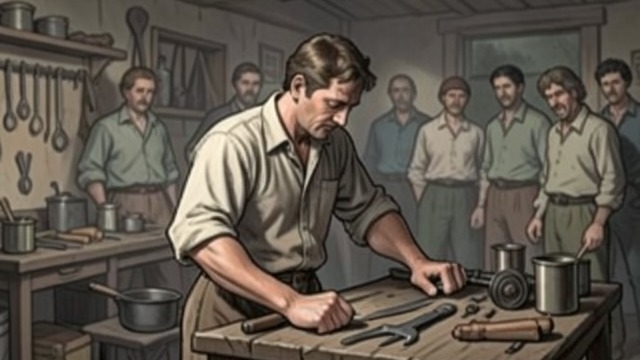
Work Instead of Death
Restitution and Service
The Polylerites require repayment where possible and assign convicted thieves to public labor.
The model aims to repair damage and preserve offenders for useful work.
A Different Standard
Its apparent mildness unsettles those who trust execution.
Utopian Enslavement

A Harsher Island Practice
Criminals Made Slaves
Utopia commonly punishes serious crimes through enslavement rather than execution.
Raphael presents continued labor as both public benefit and a visible warning.
Mercy With Coercion
The policy preserves life but depends on compulsory service.
A Complicated Justice
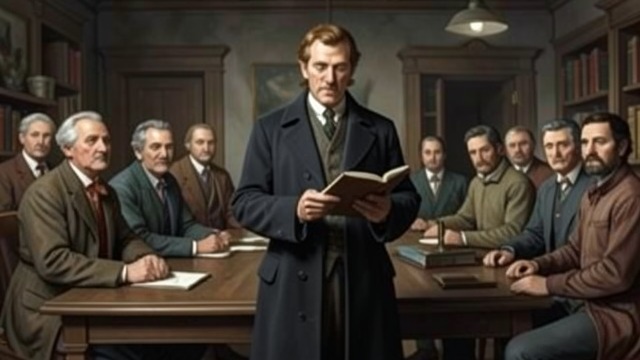
Reform Does Not End Doubt
Competing Punishments
The book contrasts execution, restitution, labor, and slavery without making every alternative equally humane.
Each system reveals assumptions about deterrence, social responsibility, and the value of life.
A Continuing Test
More’s reservations prevent a simple endorsement of Utopian law.
During Raphael’s recollection of the dinner debate
Immediately after Raphael rejects execution for theft
During Raphael’s description of the Polylerites
During the later account of Utopian criminal law
As More reflects after Raphael’s account
