
The Failure of Princely Counsel
UtopiaThis flow traces the conflict between reformist counsel and courts organized around conquest, revenue, and royal advantage.
increasing Bearing strength in each event
 decreasing
Bearing strength in each eventdecreasingCounsel Proposed

Public Service Debated
Giles and More Urge Engagement
Peter Giles and More argue that Raphael’s knowledge could benefit rulers and the public.
Their proposal treats political participation as a responsibility of the wise.
Raphael Resists
He questions whether court life can accommodate independent judgment.
War Plans Dominate

Ambition Sets the Agenda
Conquest and Alliances
Royal advisers consider territorial expansion, strategic marriages, payments, and military partnerships.
The conflict lies not only in war but in the court’s assumption that expansion serves the state.
An Unwelcome Proposal
Raphael imagines urging restraint.
Public Welfare Defended

A Different Measure of Rule
Prosperity Before Treasure
Raphael argues that a ruler should protect subjects’ happiness rather than impoverish them for royal gain.
The king’s authority, in his view, rests on service to the people.
A Threat to Power
Such advice would challenge entrenched interests.
More’s Middle Course
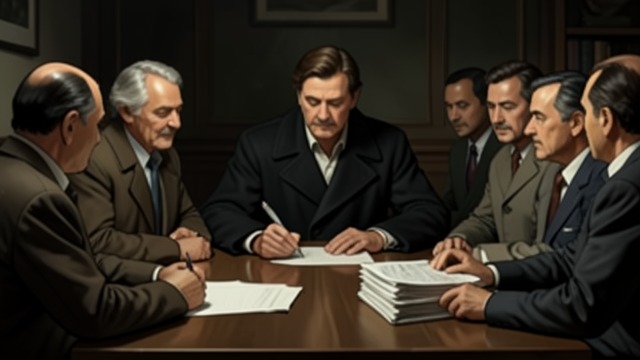
Reform Within Constraints
Adaptation Proposed
More argues that advisers should accommodate political circumstances and reduce harm where possible.
His position treats compromise as a way to remain useful rather than surrender completely.
Raphael’s Warning
Raphael fears accommodation will become complicity.
No Shared Resolution

Integrity Versus Influence
Two Political Duties
The exchange leaves open whether a philosopher should withdraw from corrupt institutions or risk engagement.
Raphael emphasizes the danger of being corrupted or blamed for others’ schemes.
The Dialogue Persists
The disagreement becomes one of the book’s enduring questions.
During the opening discussion of Raphael’s suitability for service
During Raphael’s imagined council in France
As Raphael imagines addressing the council
During the exchange over practical philosophy
At the close of their debate about court service
