
War and Utopian Security
UtopiaThis flow traces the tension between Utopia’s hatred of war and its calculated use of coercion, money, and foreign soldiers.
increasing Bearing strength in each event
 decreasing
Bearing strength in each eventdecreasingWar Condemned

A Brutal Human Practice
Glory Rejected
Utopians regard war as shameful and practice military exercises only so they can meet necessity.
Their stated ideal opposes the pursuit of fame through bloodshed.
Defensive Exceptions
They fight to defend themselves or assist victims of aggression.
A Cause for Intervention
Injury Across Borders
Merchants Oppressed
Utopia supports an allied people whose merchants have suffered what it considers grave injustice.
The account tests the boundary between defending persons and protecting commercial interests.
War’s Consequences
The conflict ends in the defeat and enslavement of the opposing state.
Money as a Weapon
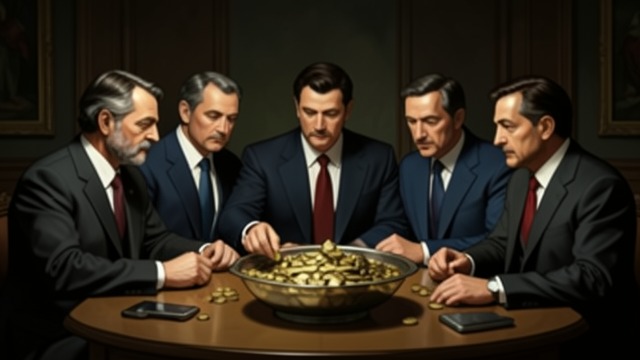
Victory Without a Set Battle
Bribery and Subversion
Utopians offer rewards to weaken enemy loyalty, divide leaders, or encourage betrayal.
They present this as a way to shorten war and spare soldiers’ lives.
A Moral Cost
The strategy contests their claim to moral superiority.
Foreign Mercenaries
Danger Outsourced
Hiring the Zapolets
Utopians employ a fierce people who serve whichever side pays them.
They prefer to risk foreign lives rather than their own citizens’ lives.
A Contradictory Ideal
Prudence and contempt for the mercenaries coexist uneasily.
Rules After Victory
Restraint in Conquest
Limited Destruction
Utopians avoid burning crops, harming the disarmed, and plundering surrendered towns.
Their rules seek to limit suffering even while their campaigns remain coercive.
An Unsettled Balance
The narrative leaves readers to compare restraint with subversion and enslavement.
At the beginning of Raphael’s account of military policy
During Raphael’s example of war over merchant injuries
During Raphael’s account of Utopian wartime strategy
When Raphael describes Utopia’s use of the Zapolets
During Raphael’s account of Utopian conduct in war
