
The Value of Money
UtopiaThis flow traces the argument that money and pride distort value, intensify inequality, and obstruct the provision of necessities.
increasing Bearing strength in each event
 decreasing
Bearing strength in each eventdecreasingMetal Without Necessity
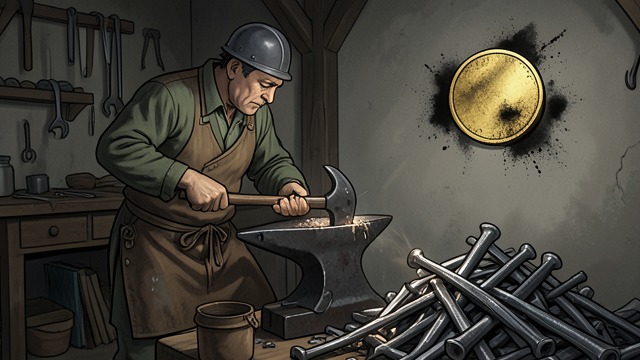
Use Versus Rarity
Iron Before Gold
Utopians prize iron more than gold because it is necessary for ordinary life.
Raphael argues that scarcity, rather than practical value, has inflated precious metals elsewhere.
A Different Standard
The island’s customs make that alternative valuation visible.
Gold Made Ridiculous

Status Reversed
Precious Metal as Shame
Gold and silver are used for chamber pots and slave fetters rather than honored display.
The reversal exposes how social conventions, not intrinsic usefulness, govern prestige.
Children’s Ornaments
Young people discard jewels as they outgrow childish adornment.
The Ambassadors Misread
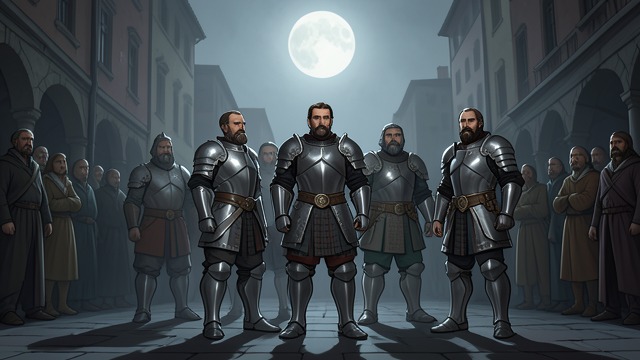
Splendor Fails
Display Meets Indifference
The ambassadors arrive dressed in precious metals, expecting admiration from the Utopians.
Instead, their ornaments resemble signs of servitude or childish play.
A Lesson in Custom
The visitors discover that status depends on shared beliefs about value.
Money and Inequality
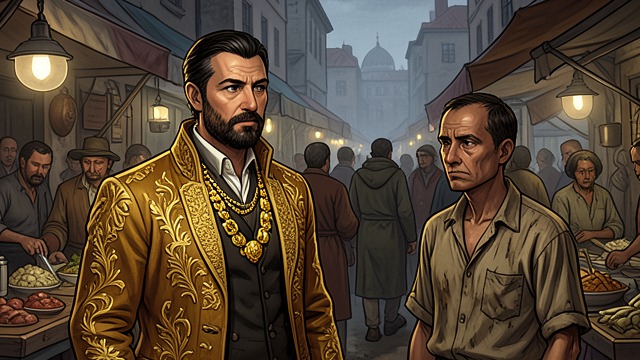
Wealth Divides Society
Abundance for a Few
Raphael argues that private ownership lets a minority monopolize wealth while others endure want.
Money turns unequal possession into a durable structure of power.
Public Need Neglected
A society may possess enough necessities yet fail to distribute them.
Need Without Hoarding
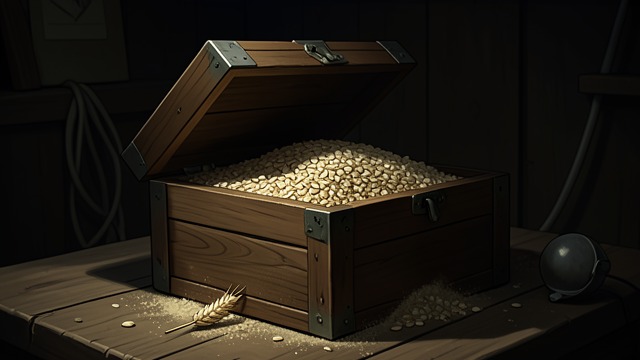
Plenty Obstructed
Stored Grain and Hunger
Raphael imagines that food hidden in wealthy storehouses could have prevented deaths during famine.
The example makes money appear not merely useless but capable of obstructing access to life’s necessities.
A Structural Critique
The argument returns the debate to institutions and distribution.
During Raphael’s explanation of Utopian trade
During the account of Utopian metalwork and clothing
During the Anemolian embassy to Amaurot
Near the end of Raphael’s speech on property
At the end of Raphael’s argument about scarcity
