
Labor and Human Dignity
UtopiaThis flow develops the contrast between coerced scarcity in European society and Utopia’s attempt to distribute useful work and leisure.
increasing Bearing strength in each event
 decreasing
Bearing strength in each eventdecreasingLabor’s Unequal Burden
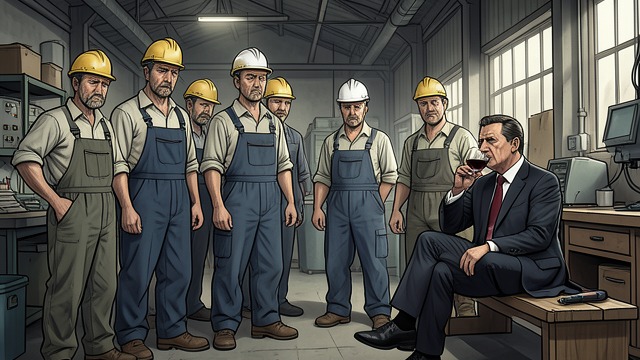
Workers Sustain the State
Necessary Work Undervalued
Raphael contrasts laborers’ hard and insecure lives with the comfort of people whose activities contribute little to public need.
The contrast makes social rank look detached from social usefulness.
Injustice Made Ordinary
Custom and law preserve the imbalance.
Idleness Examined
Who Works, and Why
Hidden Nonworkers
Raphael points to retainers, the wealthy, and others maintained by laborers’ work.
He argues that societies misjudge scarcity when many people consume without producing necessities.
Work Reorganized
Utopia’s shorter schedule depends on broader participation.
Work as Shared Duty
Skills for Everyone
Agriculture and Crafts
Utopians learn agriculture and a useful trade, while craft specialization can change to suit a person’s inclination.
The system treats productive capacity as a common civic responsibility.
Service Beyond Status
No occupation is dismissed merely as lowly.
Time for the Mind

Leisure as a Public Aim
Learning and Reflection
The limited workday leaves time for lectures, reading, conversation, and chosen activities.
Raphael presents leisure not as idleness but as a condition for intellectual and civic growth.
Necessity Sets the Measure
Public needs determine how much labor is required.
Dignity Beyond Possession
A Different Measure of Life
Security Without Accumulation
Raphael says shared provision allows people to live without constant fear of want and old age.
Dignity rests on security, useful work, and time to develop the mind.
The Claim Tested
More’s questions keep the ideal from becoming an unquestioned conclusion.
During Raphael’s critique of European social ranks
During Raphael’s defense of Utopian working hours
During the description of Utopian education and trades
During the ordinary Utopian day after work
Near the end of Raphael’s praise of Utopian society
