
Pleasure, Virtue, and the Good Life
UtopiaThis flow traces Utopian arguments about pleasure, health, virtue, and the limits of appetite.
increasing Bearing strength in each event
 decreasing
Bearing strength in each eventdecreasingHappiness Debated
Defining the Good
Mind and Body
Utopians debate whether happiness depends chiefly on one good or several and whether pleasure belongs in its definition.
Their disagreements show that social order does not eliminate philosophical uncertainty.
Religion Enters the Argument
They combine natural reason with religious beliefs about judgment after death.
Pleasure Disciplined

Reason Guides Desire
Good and Harmful Enjoyment
Utopians distinguish pleasures that benefit people from appetites that injure others or bring greater pain.
Pleasure is defended, but not as permission for unrestrained self-indulgence.
Public Regard
A person’s enjoyment must not deprive others of theirs.
Health as a Pleasure
The Pleasure of Health
A Stable Good
Many Utopians regard vigorous health as the foundation of bodily happiness, not merely an absence of pain.
This view values lasting well-being above temporary gratification.
Needs and Relief
Food and drink matter chiefly as supports for life and health.
False Status Pleasures
The Appearance of Happiness
Clothes and Rank
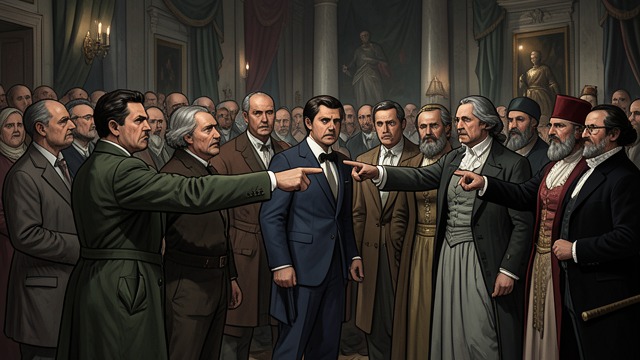
Utopians mock the belief that fine clothes or noble ancestry make a person more valuable.
Their critique exposes pleasure built on comparison and the humiliation of others.
Wealth’s Illusion
Possessions can command respect without producing genuine well-being.
Virtue and Self-Care
Pleasure and Obligation
Helping Others
Utopians argue that natural sympathy directs people to relieve others’ suffering and promote their happiness.
Because a person belongs to the same human nature, care for others does not require cruelty to oneself.
An Open Evaluation
Raphael reports the doctrine without claiming final authority over it.
During Raphael’s account of Utopian philosophy
As Raphael explains the Utopian moral philosophy
During the debate about bodily well-being
During Raphael’s critique of luxury and display
Near the end of Raphael’s account of moral philosophy
