
The Making of Utopus
UtopiaThis flow follows Utopus’s transformation of conquered Abraxa into an isolated and politically organized island.
increasing Bearing strength in each event
 decreasing
Bearing strength in each eventdecreasingThe Conqueror Arrives

Utopus Takes Control
Conquest of Abraxa
Utopus defeats the original inhabitants and assumes power over their territory.
The founder’s political achievement begins in coercion, complicating the later image of an orderly commonwealth.
Reform by Authority
He then directs the people toward new customs and institutions.
A Shared Construction
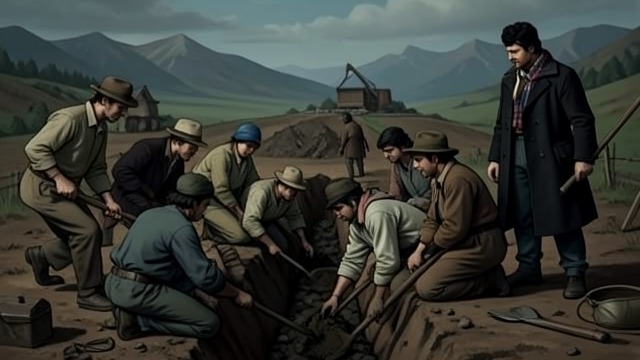
The Channel Project
Labor Across the New State
Utopus orders a channel dug and has both inhabitants and his own soldiers take part.
The immense project makes a physical separation from the continent possible.
Leadership Made Visible
The work presents state-building as collective labor directed by authority.
A Defensible Island
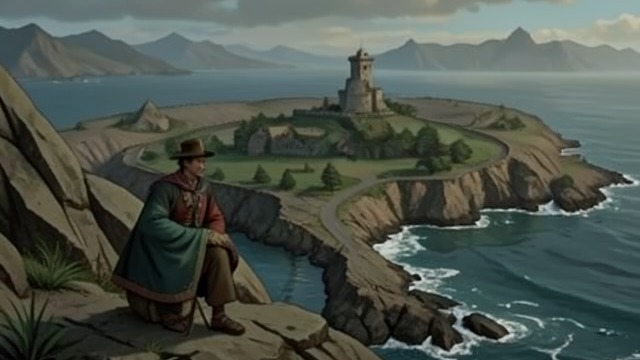
Geography Reordered
From Mainland to Island
The former territory becomes an island with a dangerous entrance and protected harbors.
Separation provides security, but also marks the lasting consequences of Utopus’s intervention.
The Founder’s Name
The island carries the name associated with its conqueror.
A Common Government

Institutions After Conquest
Shared Laws and Customs
Raphael describes cities that follow similar practices and consult over common affairs.
The ordered system appears to outlast its founding moment of force.
Stability and Coordination
Common institutions bind local communities into a wider polity.
A Founding Tension
Order and Coercion
A Complicated Example
The story of Utopus celebrates ingenuity and public organization while openly describing conquest.
That contrast prevents the island’s political success from appearing wholly innocent.
A Question Left Standing
The founding narrative invites readers to weigh outcomes against methods.
In the remote founding period
Soon after the conquest
After the channel is completed
In Utopia’s later established era
As Raphael recounts the island’s origins
