
The Theft Debate at Morton’s Table
UtopiaThis flow traces Raphael’s argument that theft is produced by social conditions and that execution fails to prevent it.
increasing Bearing strength in each event
 decreasing
Bearing strength in each eventdecreasingThe Lawyer’s Claim
Severe Punishment Praised
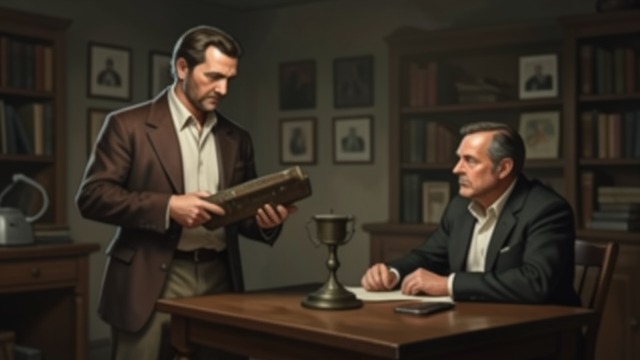
A Tabletop Debate
An English lawyer praises the execution of thieves, noting how many are hanged.
His confidence in severity gives Raphael the occasion to challenge the policy’s logic.
The Cardinal Listens
John Morton allows the debate to develop.
Poverty Behind Theft
Causes Before Penalties
No Livelihood Available
Raphael argues that people driven to theft by necessity are not deterred by execution.
Punishing the act without addressing its causes leaves the conditions intact.
Prevention Proposed
He calls for practical means of living instead of greater cruelty.
Enclosure and Displacement

Sheep and Human Need
Rural Livelihoods Destroyed
Raphael describes landlords turning cultivated settlements into pasture and displacing families.
Those deprived of land and work face begging, theft, or punishment.
A Systemic Cause
The image of sheep consuming people concentrates his indictment of enclosure.
The Cardinal’s Alternative
A Different Penalty
The Polylerite Example
Raphael describes offenders making restitution and working for the public rather than being executed.
The system aims to repair harm while preserving life and usefulness.
A Trial Suggested
John Morton proposes testing the method rather than dismissing it.
Punishment Reconsidered
The Lesson of the Story
Counsel Rejected, Then Praised
Raphael observes that the company welcomes an idea only after John Morton endorses it.
The dinner exposes both defective criminal policy and the deference governing courtly opinion.
Justice and Social Causes
His central accusation is that society makes thieves before punishing them.
During Raphael’s remembered dinner in England
Immediately after the lawyer’s argument
As Raphael expands his account of English theft
At the end of the dinner debate
After the dinner discussion, in Raphael’s reflection to More
