
The Camera and the Gun
VinelandThis thread examines how 24fps’s belief in documentary truth collides with armed coercion and the uses of recorded images.
increasing Bearing strength in each event
 decreasing
Bearing strength in each eventdecreasingA Camera as Weapon
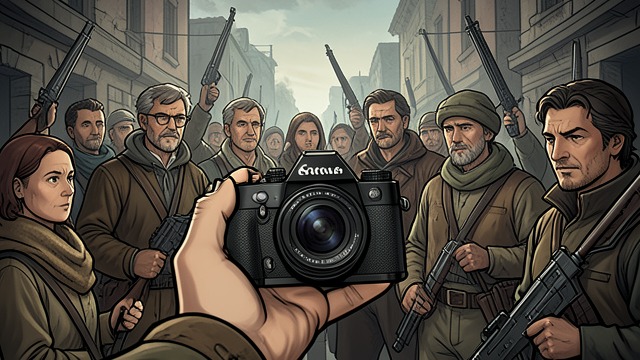
Recording as Resistance
The collective’s method
24fps films protests and state violence, trusting that close images can make hidden abuses visible. Its members treat the camera as a tool capable of challenging official accounts.
A dangerous metaphor
Calling the camera a weapon gives the collective confidence but also blurs the difference between representation and action. The group’s faith in images will be tested by events no camera can control.
Atman in the Frame
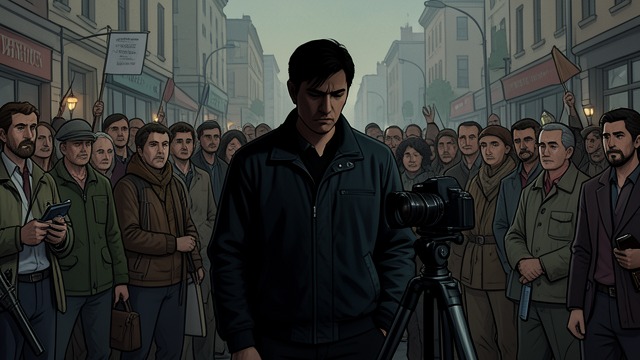
Filming a Political Crisis
A leader becomes footage
Frenesi and others record Weed Atman amid growing suspicion and conflict. The camera frames him as both a person and a political image.
Evidence is not explanation
The footage records fragments, not the full chain of coercion. Viewers can see actions while remaining uncertain about the pressures and choices behind them.
A Death Recorded
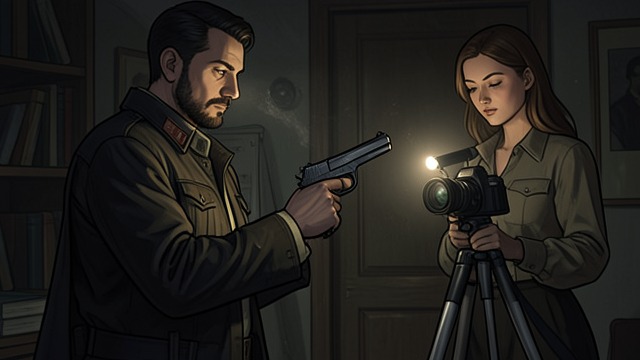
The Shot and Its Witnesses
Camera and weapon meet
Rex kills Weed while members of 24fps film the confrontation. Frenesi holds light on the aftermath, placing the scene under the camera’s gaze.
The image carries guilt
The recordings preserve a trace of events but cannot deliver justice by themselves. Their existence makes the murder visible while leaving responsibility contested.
An Archive Becomes a Target
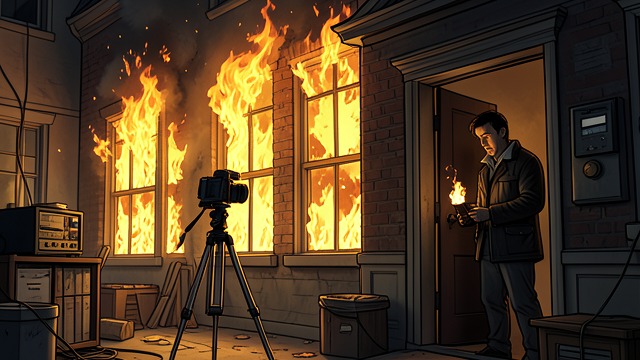
Destroying the Record
The raid on Ditzah’s home
Federal forces burn the 24fps archive and destroy Ditzah’s house. The attack aims at testimony as much as property.
Memory outlasts film
Prairie and the surviving members carry parts of the past through recollection and scattered copies. The destruction shows that documentary evidence is powerful enough to frighten the state.
A Truth That Cannot Close
Evidence Without Verdict
Images reshape a daughter’s view
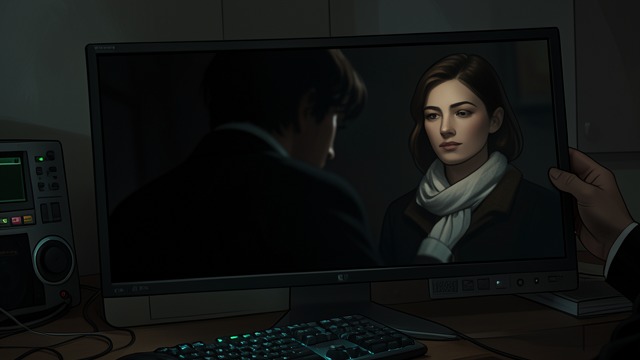
Prairie sees Frenesi’s actions on screen and can no longer rely on a simple family narrative. The recorded scene changes how she understands her mother.
The camera’s limit
The footage cannot assign every motive or restore what was lost. Its lasting power lies in making denial harder, not in ending the argument.
During the late 1960s
As PR3 approaches collapse
On the final night of PR3
During the 1984 crackdown
After Prairie watches the surviving footage
