
Erasure and the Electronic Record
VinelandThis thread explores how files, databases, and vanished records determine who can be protected, located, punished, or treated as if they never existed.
increasing Bearing strength in each event
 decreasing
Bearing strength in each eventdecreasingA File Protects Frenesi
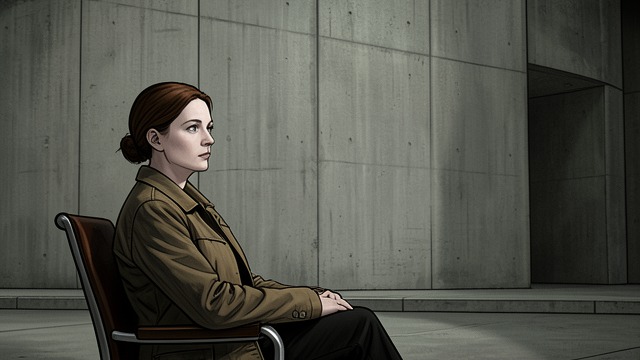
Life as an Entry
Official secrecy
Frenesi lives under witness protection, her history contained in federal records and controlled identities. The system promises safety while defining the boundaries of her life.
Dependence on the record
Her status depends on administrative continuity. What the database recognizes can matter more than her own account of where she belongs.
Names Disappear
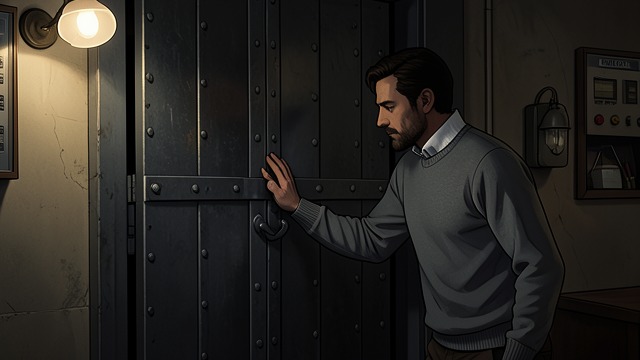
A Sudden Absence
The database changes
Flash learns that many collaborators have vanished from the computer system. People who relied on federal protection can no longer confirm that they exist in the official record.
A political decision hides in code
The missing entries may reflect budget cuts, a policy shift, or something more dangerous. Digital absence turns a remote administrative change into an immediate threat to real lives.
A Godlike Computer
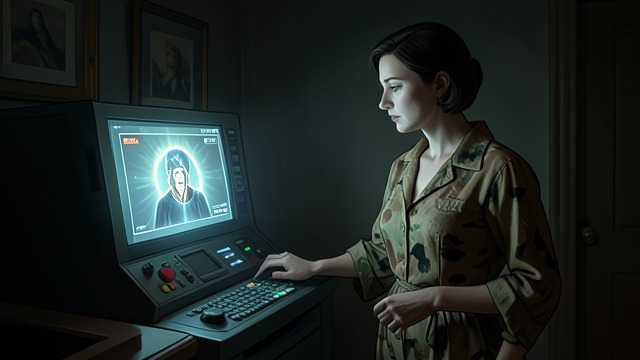
Life in Ones and Zeros
An ordinary transaction fails
Frenesi’s check is blocked, and repeated attempts to cash it expose how much her security depends on electronic approval. A computer can refuse her without a visible decision-maker.
Erasure becomes metaphysical
She imagines people as entries in a divine machine, their lives reduced to presence or absence. The image captures how bureaucratic records can erase context while preserving control.
Prairie Reads the Dossier
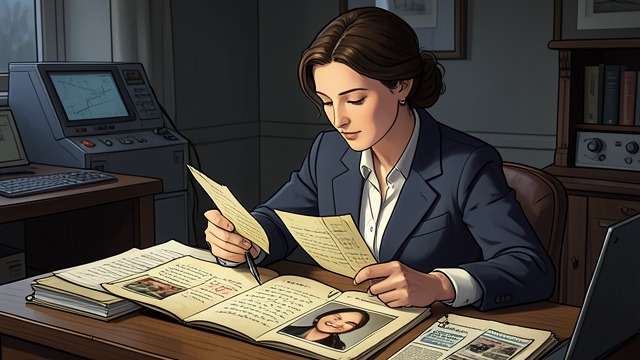
Searching a Mother’s File
A fragmented archive
Prairie finds official documents, interviews, news clippings, and images of Frenesi. The records offer a path into the past but do not provide a single reliable narrative.
The reader becomes an interpreter
Prairie must decide how to weigh memories, government files, and the camera’s evidence. Her search demonstrates that an archive can preserve a person while also distorting her.
The Person Beyond the File
Records Cannot Decide Kinship
The family meets again
Frenesi returns to Vineland and sees Prairie, no longer protected by the old separation agreement. Their encounter exceeds what any file or legal status can determine.
Human presence remains
The electronic record can track, erase, or label people, but it cannot settle love or responsibility. The reunion makes presence itself a challenge to administrative disappearance.
During her years under protection
In the early 1980s
After Frenesi tries to cash her government check
During her stay at the retreat
Near the final reunion
