
The Meaning of Attention
VinelandThis thread traces attention as a practical discipline, a political resource, and a recurring answer to the characters’ temptations to drift into fantasy.
increasing Bearing strength in each event
 decreasing
Bearing strength in each eventdecreasingFrenesi’s Images
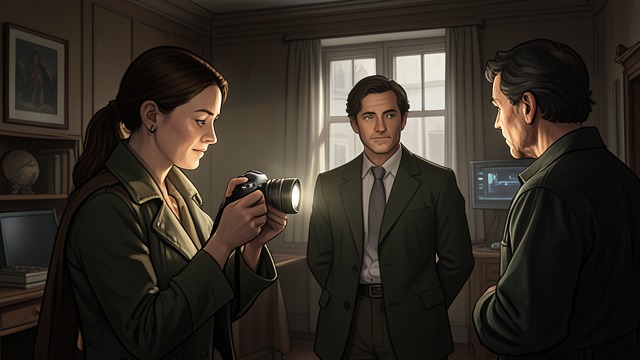
Looking Closely
Filmmaking requires attention
Frenesi records faces and events that commercial television ignores. Her work depends on choosing where to look and how long to stay with an image.
Attention is not innocence
The same camera can expose injustice or serve someone else’s purpose. Frenesi’s later complicity shows that careful seeing does not guarantee ethical action.
DL’s Discipline
Practice Before Power
Small acts of focus
Inoshiro Sensei teaches DL that skill comes through patience, repetition, and attention to the body. Power without preparation is treated as a route to failure.
A lesson ignored
DL later rushes her attempt on Vond and strikes Takeshi instead. The mistake demonstrates the cost of acting from obsession rather than disciplined perception.
The Archive Demands Attention

Reading Between Records
Details matter
Prairie learns that computer archives contain meaning even in their spaces and gaps. She studies documents and images with an attention that resists treating the past as a simple story.
Interpretation remains risky
Evidence does not tell her what to feel about Frenesi. Prairie must remain attentive without confusing a record with the person it describes.
A Warning About Vond
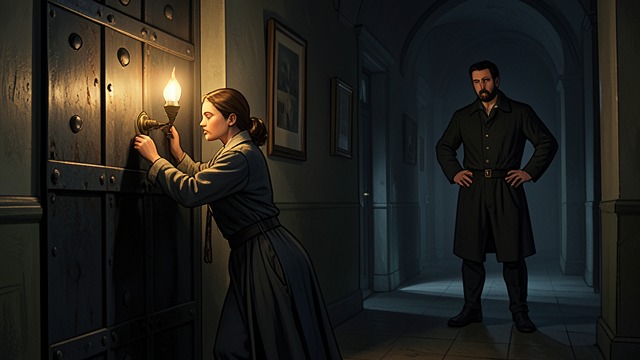
Seeing the Pattern
DL reads the situation
DL warns Prairie that Vond is not merely an angry former lover but part of a larger structure of power. Her attention moves from personal drama to political organization.
Prairie tests the warning
Prairie keeps asking why her mother mattered to Vond and what he wants from her. Her questions prevent a romantic explanation from replacing the material danger.
The Reunion’s Unfinished Work
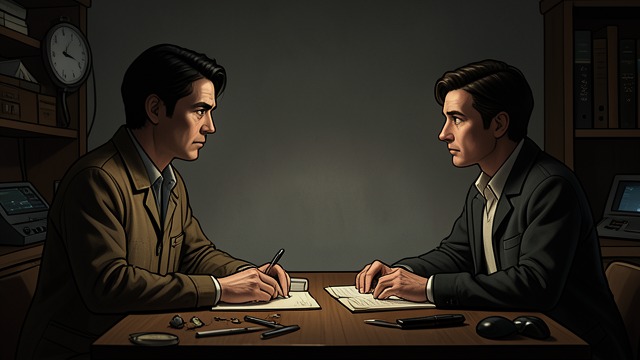
Listening as a Practice
No instant verdict
Prairie and Frenesi encounter one another with conflicting memories and incomplete explanations. Attention to hesitation and silence matters as much as direct testimony.
A possible way forward
The novel offers no final formula for reconciliation. It suggests that careful listening may be more useful than either idealization or condemnation.
During the 24fps years
During DL’s years of training
During Prairie’s computer research
During the 1984 crisis
After Frenesi returns
