
The State’s New Economic Order
VinelandThis thread follows Reagan-era cuts and market logic as they reshape protection, local labor, and the competing communities of Vineland.
increasing Bearing strength in each event
 decreasing
Bearing strength in each eventdecreasingBudget Cuts Begin
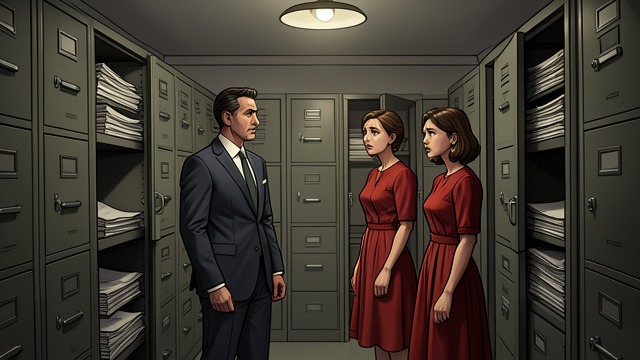
Protection Loses Funding
Programs are reorganized
Federal budgets shift, and services once treated as secure begin to lose support. Witness protection and political operations are reorganized without clear notice to those who depend on them.
A political transition becomes personal
Frenesi and Flash experience the change through missing records and blocked payments. Fiscal policy determines whether people remain protected or are returned to danger.
Migration Meets Development
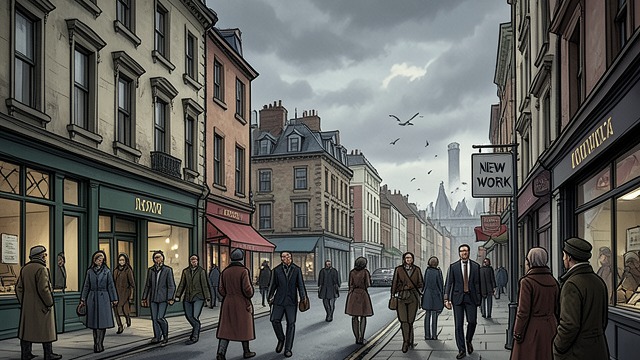
Newcomers and Developers
People move north
Hippies and other migrants arrive seeking a quieter life. Developers and cable companies arrive for profit, bringing new work and new forms of control.
Refuge becomes a market
The same landscape that offers shelter also attracts real-estate speculation and employment systems. Vineland’s communities are shaped by those who seek escape and those who seek to monetize the region.
Work Without Security

Informal Labor Expands
A labor market changes
Zoyd takes subcontract work and other jobs that sit outside formal protections. Migrants move into construction and service work to stay afloat.
Old labor histories return
The family’s union heritage clashes with the need to survive in a market that rewards cheap, unprotected labor. The economic system absorbs countercultural migrants without granting them stability.
The Drug War Supports the Market
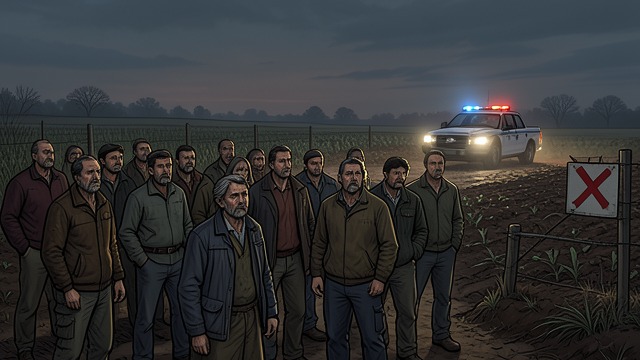
Eradication and Reclamation
Growers are displaced
CAMP raids damage the communities and livelihoods of small growers. Official language of drug control accompanies an expanding effort to reclaim land and labor for the formal economy.
Compliance is rewarded
The anticipated ideal citizen is sober, productive, and institutionally legible. The novel links anti-drug enforcement to a broader project of social and economic discipline.
The Economy of Celebrity

Attention Becomes a Commodity
Entertainment recruits politics
Hector’s film project and the media coverage of federal operations convert political conflict into a saleable story. Producers and officials compete to shape public attention.
The spectacle serves power
Celebrity, publicity, and market logic can make coercion look entertaining or inevitable. The novel shows that the commercial system can absorb even its critics as content.
After Watergate and the change in federal priorities
During Zoyd’s early years in Vineland
During the building boom
During CAMP’s expansion
During the film and television campaigns
