
The Politics of Reassurance
Voices from ChernobylThis flow traces how authorities treated truthful warnings as a threat to public order and political standing during the first days of the disaster.
increasing Bearing strength in each event
 decreasing
Bearing strength in each eventdecreasingOrders to Prevent Panic
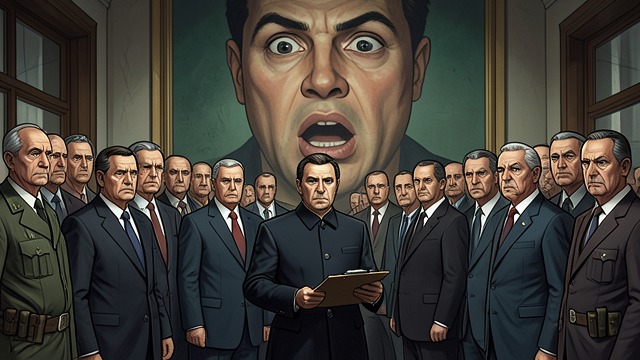
Orders to Prevent Panic
A Political Priority
Officials were instructed to prevent panic as reports arrived from the affected region. In practice, reassurance often preceded reliable public guidance.
Silence as Management
The policy treated public knowledge as something to control rather than a means of protection. Residents faced risk without information needed to make personal decisions.
The Parade Goes Ahead
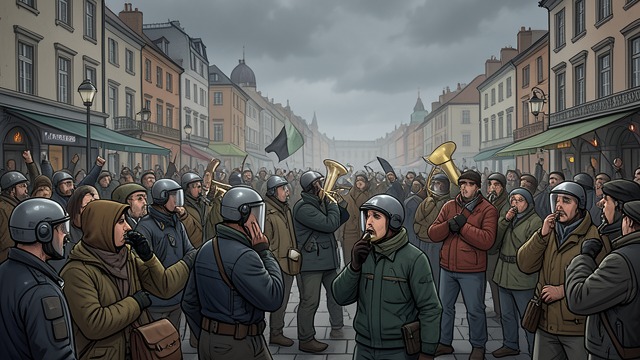
The Parade Goes Ahead
A Political Ritual
May Day celebrations continued while the scale of contamination remained concealed from many participants. The public event suggested continuity and confidence.
Families in the Crowd
Some people attended because they believed it was expected or because everyone else was going. Later accounts recast the celebration as a painful collision of social duty and uninformed exposure.
The Bosses' Contradiction
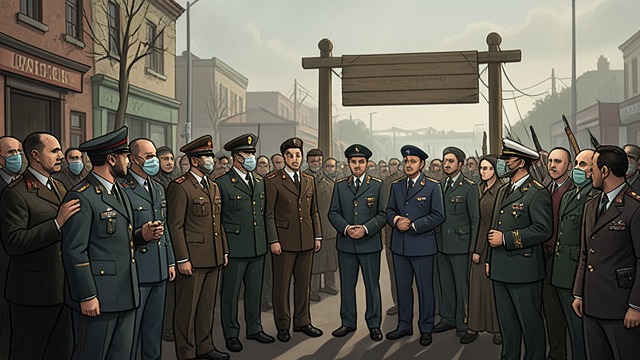
The Bosses' Contradiction
Unequal Precautions
Some accounts describe officials taking protective steps for their own families while the public lacked similar information or equipment. That disparity weakened the legitimacy of official reassurance.
Authority Under Suspicion
The gap between public claims and private caution made secrecy appear self-serving. Trust, once damaged, became difficult to restore through later statements.
The Former Secretary Defends Himself
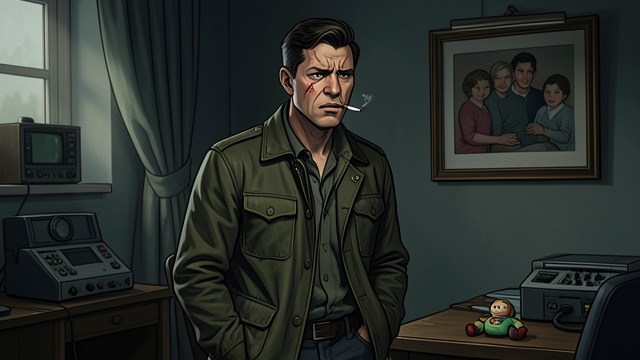
The Former Secretary Defends Himself
Duty as Justification
A former regional party leader insists that officials acted under instructions and feared disorder. He describes political loyalty as a test of character during crisis.
The Grandchild's Illness
His own family suffered after the accident, complicating his defense. He cannot simply separate personal grief from his role in a system that kept people in danger.
Trust Does Not Return

Trust Does Not Return
Explanations Compete
Officials, witnesses, and scientists provide conflicting accounts of what was known and when. The reader encounters both personal responsibility and the institutional habits that limited action.
A Continuing Question
The issue is not settled by assigning blame to one person. The accounts ask whether a political culture of obedience can admit the truth before another emergency demands it.
The first days after April 26, 1986
May 1, 1986
The weeks after the accident
The decade after the disaster
The 1990s present of the interviews
