
The Village Against the Order
Voices from ChernobylThis flow traces the escalating conflict between authorities who enforce evacuation and residents who defend their homes and ways of life.
increasing Bearing strength in each event
 decreasing
Bearing strength in each eventdecreasingThe Evacuation Order
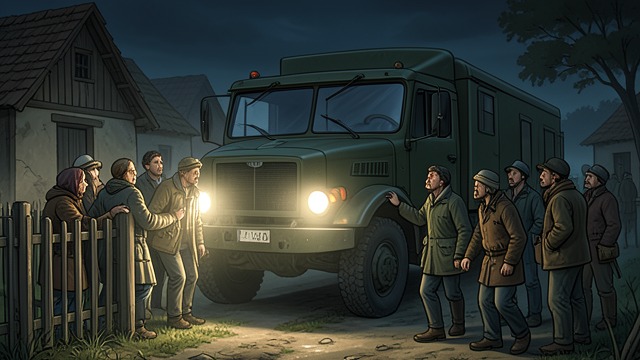
The Evacuation Order
A Sudden Command
Residents were told to leave homes, animals, and harvests. Soldiers and vehicles gave the operation a military appearance even though many residents did not understand the danger.
Familiar Resistance
People questioned why they should abandon land that still looked fertile and peaceful. The order collided with livelihoods formed through generations of work.
The Harvest Is Left

The Harvest Is Left
Work Interrupted
Families worried about potatoes, animals, and stored food while officials emphasized departure. For rural households, leaving meant abandoning the result of an entire season's labor.
Two Kinds of Loss
The state treated crops as contaminated material; residents saw food and labor that had sustained them. Both the danger and the loss were real, but official commands rarely acknowledged the second.
Soldiers at the Door
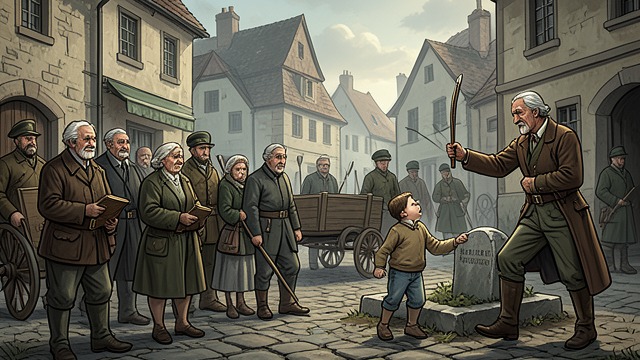
Soldiers at the Door
Coercion in a Familiar Place
Soldiers entered villages, urged people onto vehicles, and sometimes threatened force. Older residents compared the experience with wartime displacement.
Authority Meets Grief
The soldiers carried out orders, while residents saw their houses, animals, and graves being taken from them. The conflict was personal even when each side acted within a larger system.
The Return Through the Forest
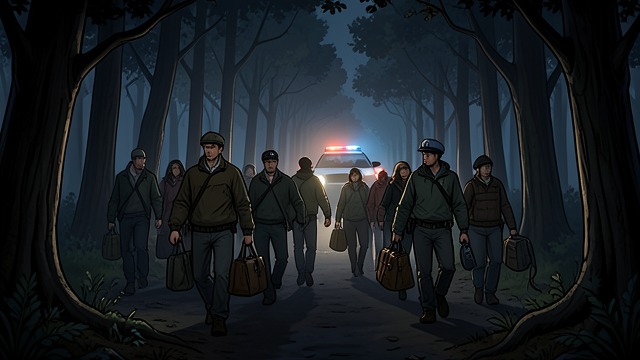
The Return Through the Forest
Residents Defy Controls
Some villagers returned through woods at night after police or soldiers barred access. They accepted risk rather than remain permanently separated from home.
A Struggle Over Belonging
The state treated return as a violation; returnees treated exclusion as a denial of their lives. Their persistence made the boundary itself a continuing site of conflict.
No Compensation for a Life
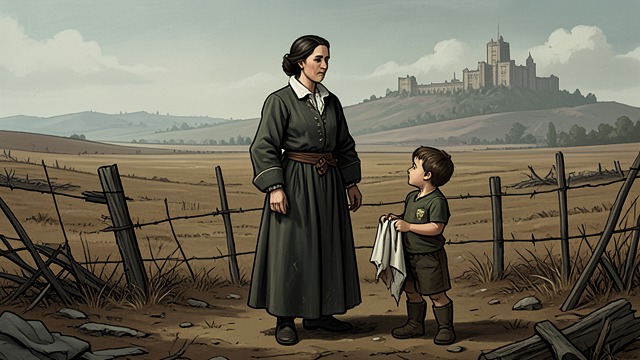
No Compensation for a Life
Money Cannot Replace Home
Residents describe compensation that lost value and did not restore community, landscape, or dignity. A payment could not make a forced departure feel voluntary.
The Conflict Persists
Some stayed away, some returned, and others lived between places. The dispute over home remained unresolved because administrative relocation did not answer what people believed they had lost.
The first months after April 1986
The evacuation season
During the village evacuations
After the initial evacuation
The decade after evacuation
