
The Researcher's Conscience
Voices from ChernobylThis flow follows professionals who discover contamination yet struggle with institutional orders, political loyalty, and their own compromises.
increasing Bearing strength in each event
 decreasing
Bearing strength in each eventdecreasingMeasurements Reveal the Scale
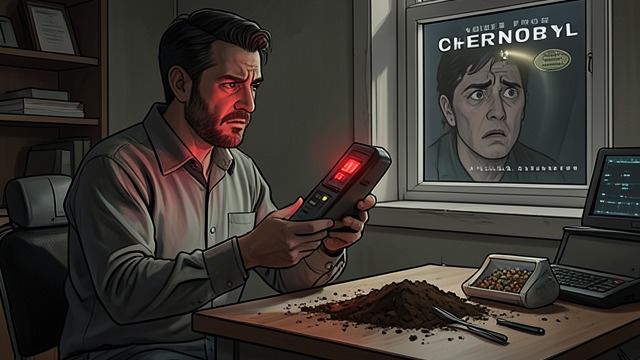
Measurements Reveal the Scale
Scientific Work Begins
Researchers tested food, soil, and biological samples as the emergency spread through Belarus. Their instruments showed dangers that ordinary people could not perceive.
Knowledge Has Consequences
To measure contamination was also to confront what should be done with the results. The practical question of protecting people became entangled with political authority.
Orders to Watch Television
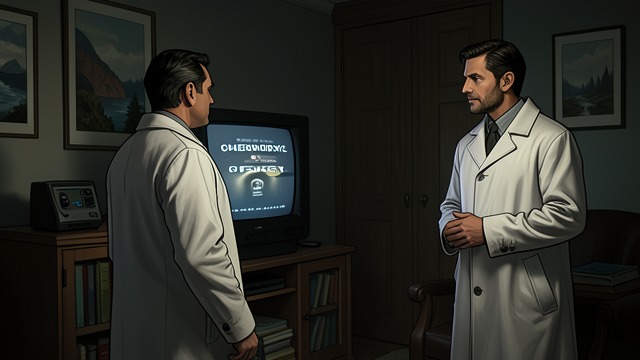
Orders to Watch Television
Instructions From Above
Some researchers received directions to continue measurements while following official broadcasts. They understood that public reassurance did not match what their work suggested.
Silence as Participation
The scientists later ask why they did not speak more openly. Party discipline and longstanding faith in the state made silence feel like responsibility rather than complicity.
The Inspector's Justification
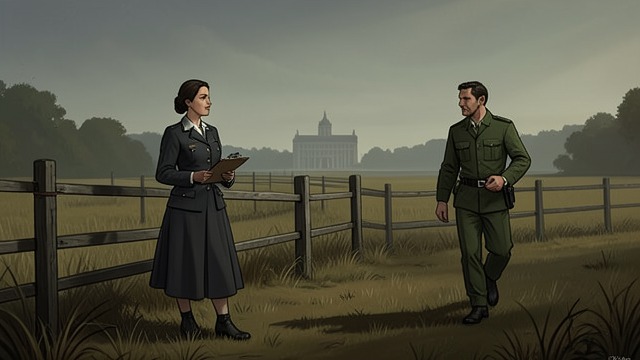
The Inspector's Justification
Rules Meet Local Need
An environmental inspector was sent to enforce technical procedures while local services and production systems were failing. Officials had no time or resources for every demanded precaution.
A Convenient Boundary
She eventually found a reason to treat a dangerous decision as outside her responsibility. Her confession shows how wrongdoing can become ordinary when each person narrows the scope of a duty.
The Expert Becomes Witness

The Expert Becomes Witness
Looking Back at Faith
Professionals reconsider the convictions that once made them trust authority and scientific progress. What seemed like knowledge and modernization now also appears as vulnerability.
Responsibility Without Simplicity
Their testimonies resist an easy division between guilty officials and innocent experts. They ask how obedience, belief, fear, and ordinary self-justification shaped collective failure.
A Moral Record

A Moral Record
Confession as Evidence
Several professionals acknowledge their own silence or compromise alongside institutional wrongdoing. Their accounts make personal admission part of the historical record.
A Warning About Routine
The most frightening decisions were not always made in dramatic scenes. They could arise quietly through plans, instructions, and reasonable-sounding excuses.
The weeks after April 26, 1986
The first months after the disaster
Several years after the disaster
The decade after 1986
The interviews' present
