
The Liquidator's Choice
Voices from ChernobylThis flow traces the conflict between self-preservation and a heroic duty that encouraged ordinary workers to accept dangerous assignments.
increasing Bearing strength in each event
 decreasing
Bearing strength in each eventdecreasingA Notice Arrives
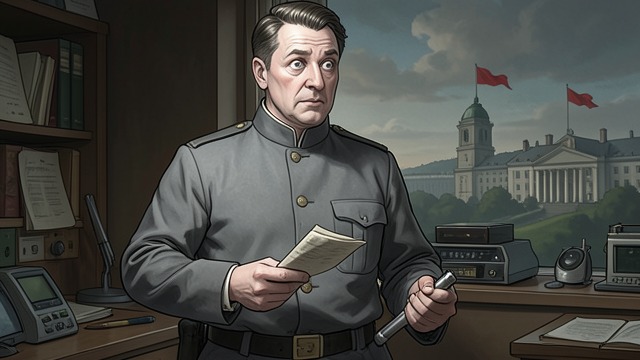
A Notice Arrives
Called From Civilian Life
Workers received notices or orders to report, often without being told the destination or danger. Several describe leaving jobs and families with almost no time to prepare.
The Question of Refusal
A summons made refusal seem like disobedience or betrayal. The worker's personal choice was narrowed by military discipline, Party expectations, and a culture of service.
A Desire to Be Useful
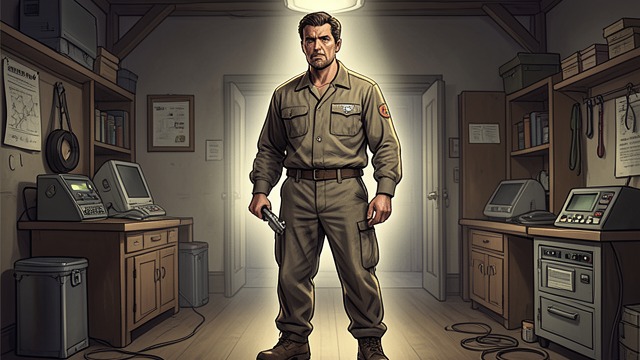
A Desire to Be Useful
Fear Mixed With Pride
Some men were frightened but also wanted to do something consequential. They entered the work believing that their effort might limit the disaster.
Purpose Takes Hold
The sense of being needed offered meaning amid confusion. That motivation could be genuine even when institutions failed to explain exposure or provide adequate protection.
Warnings Become Jokes
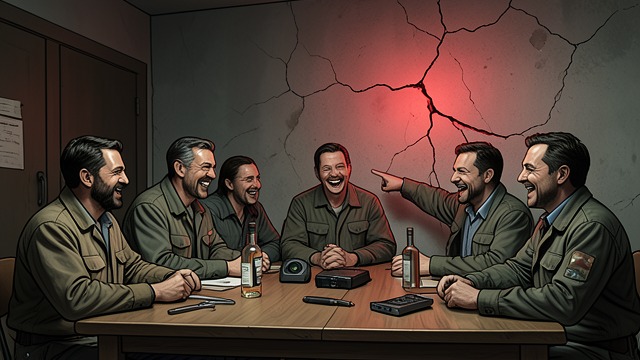
Warnings Become Jokes
Humor as Shield
Workers joked about radiation, sex, vodka, and death. Humor let them discuss danger indirectly without stopping the work or admitting how little they knew.
Danger Normalized
Repeated exposure and routine assignments made formerly frightening conditions feel ordinary. Jokes helped workers endure, but they could also conceal the need to refuse unsafe orders.
The Roof as Test
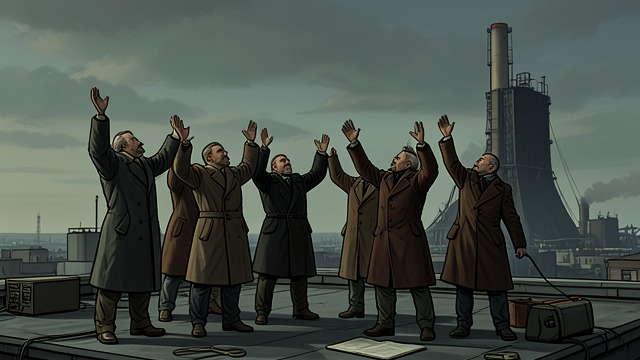
The Roof as Test
Volunteers and Pressure
Men stepped forward for brief, dangerous roof shifts, while refusal could bring shame or punishment. A declaration of volunteering did not mean the choice was free of coercion.
A Heroic Narrative
The workers' courage became a public story, but their accounts also reveal missing data and inadequate protection. Recognition and exploitation existed side by side.
Freedom Reconsidered
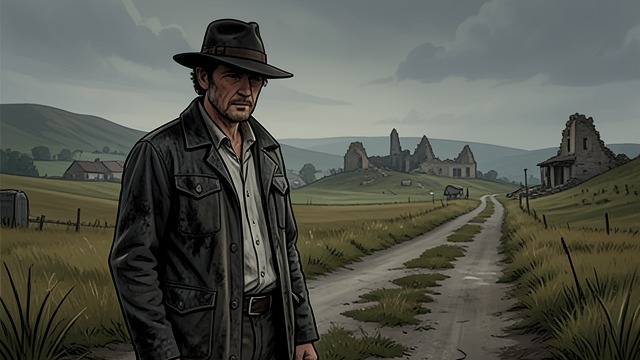
Freedom Reconsidered
The Meaning of Service Changes
Some veterans remember the zone as a place where they were needed and felt unusually free. Later illness and reflection altered how they judged the same experience.
No Simple Verdict
The narrative neither dismisses their pride nor treats it as proof that the system was just. Their memories hold courage, pressure, regret, and uncertainty together.
Summer 1986
On arrival in the zone
During cleanup service
During the reactor roof cleanup
Years after service
