
War Without a Front
Voices from ChernobylThis flow traces how survivors use wartime memories to understand Chernobyl, then discover that the disaster resists the familiar structure of war.
increasing Bearing strength in each event
 decreasing
Bearing strength in each eventdecreasingThe War Vocabulary
The War Vocabulary
A Society of War Memories
Many people were raised on stories of World War II, military sacrifice, and collective endurance. War provided a ready language for danger, loss, and patriotic duty.
A Familiar Frame
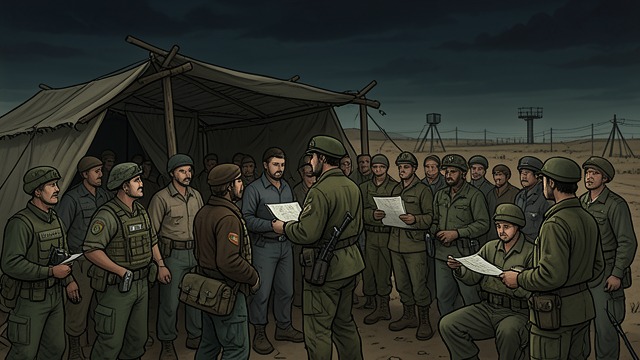
When evacuation and cleanup began, witnesses described troops, checkpoints, and mobilization. The catastrophe initially appeared to fit the form of a war people already knew.
A War Without Shooting
A War Without Shooting
Military Landscapes
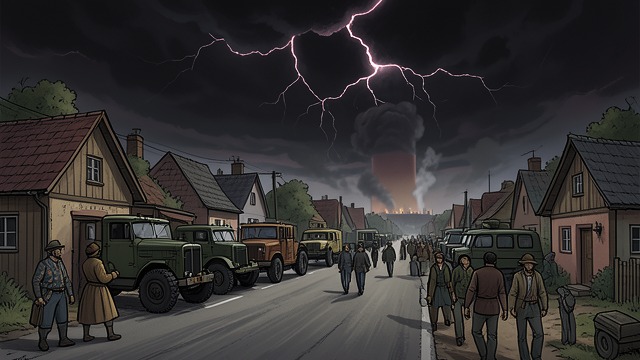
Villages filled with vehicles and soldiers, while residents were moved from houses and fields. The scenes recalled wartime displacement despite the absence of a visible enemy army.
No Clear Front Line
Radiation crossed land and borders without respecting barriers. People could not locate the danger as they would a battlefield or identify a front from which to escape.
A War Without Shelter
A War Without Shelter
Nowhere to Hide
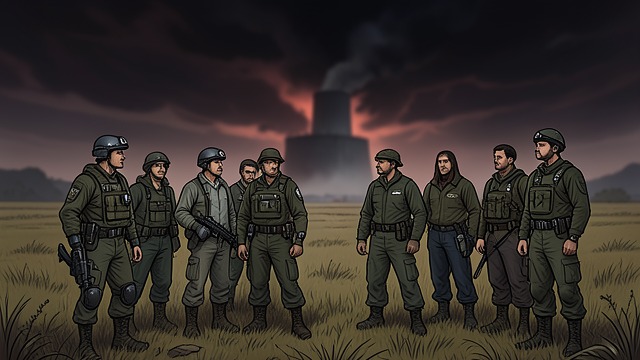
Some narrators say there was no safe underground, underwater, or airborne refuge. The threat seemed to occupy the everyday world rather than arrive from a distant opposing force.
A Different Kind of Helplessness
The war analogy helps describe mobilization but fails to offer a strategy for survival. Contamination could remain after the emergency's visible activity ended.
The Old Stories Fail
The Old Stories Fail
Comparison Reaches Its Limit
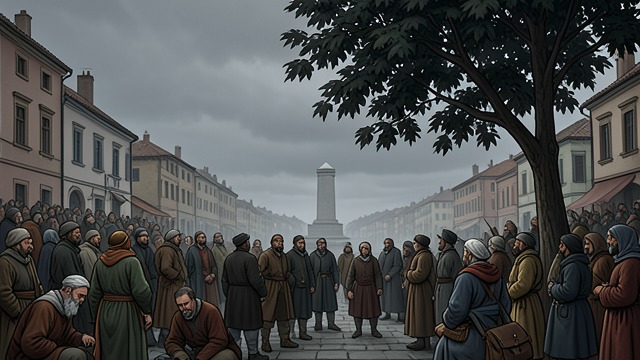
Some witnesses reject equivalence with earlier wars because Chernobyl lacked clear battles, seasons, or victories. Its slow and invisible consequences did not fit inherited narratives.
Experience Without Precedent
The old stories could comfort people, but they could not explain radiation, long-term illness, or a landscape that remained beautiful and dangerous at once.
After the Nuclear War
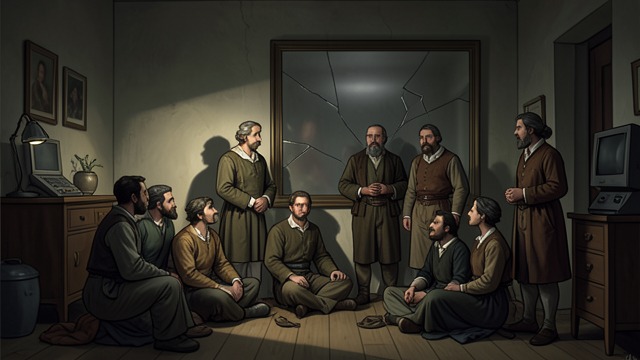
After the Nuclear War
A Changed Sense of Time
The narrator describes people living after a nuclear war that they did not notice when it began. The formulation shifts the catastrophe from an event into a continuing condition.
No Victory Ceremony
The disaster has no decisive surrender or completed reconstruction. Its war metaphor ends in ongoing responsibility to remember, care for the sick, and face the consequences that remain.
Before April 1986
The evacuation and cleanup period
After residents learn the scale of contamination
The years after the accident
The interviews' present
