
Cato, Zilpha, Brister, and the Lost Settlement
WaldenThis flow gathers Thoreau’s portraits of former residents of Walden Woods into a story of labor, displacement, memory, and traces left in the landscape.
increasing Bearing strength in each event
 decreasing
Bearing strength in each eventdecreasingCato’s Small Holding
A Life in the Woods
Cato’s Place
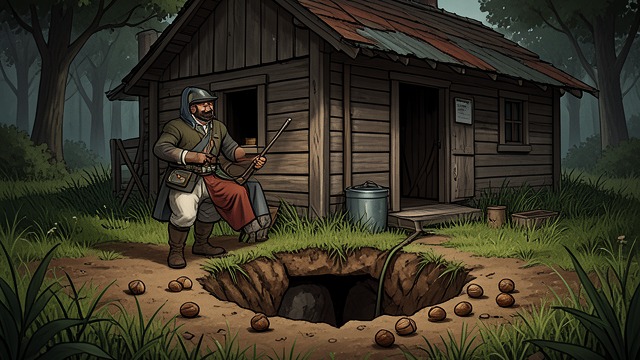
Cato Ingraham, enslaved by Duncan Ingraham, lives in a small house in Walden Woods with permission from his enslaver. Thoreau remembers the patch of land Cato tended and the walnuts he hoped to keep for old age.
A younger speculator later obtains the trees, and Cato’s cellar hole remains after his household disappears. The account connects a small domestic history to slavery and the insecure possession of land.
Significance
The landscape stores evidence of lives that official property records do not preserve. Cato’s story makes the woods a place of human history as well as solitude.
Zilpha’s Singing
A Voice in Walden Woods
Work and Loss
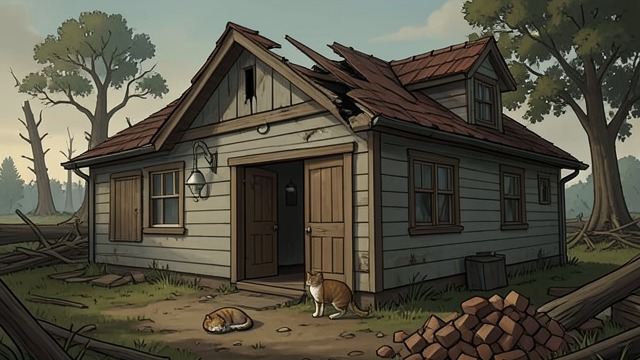
Zilpha, a woman of color, lives near Thoreau’s field and spins linen for townspeople. Her loud singing makes the woods ring, giving a public voice to a life otherwise easy to overlook.
During the War of 1812, English prisoners on parole set her house on fire while she is away. Her cat, dog, and hens perish with the dwelling.
Significance
Thoreau remembers Zilpha through work, voice, and the violence that destroys her home. The surviving bricks make the vanished household legible in the landscape.
Brister’s Hill
A Former Resident
Land and Memory
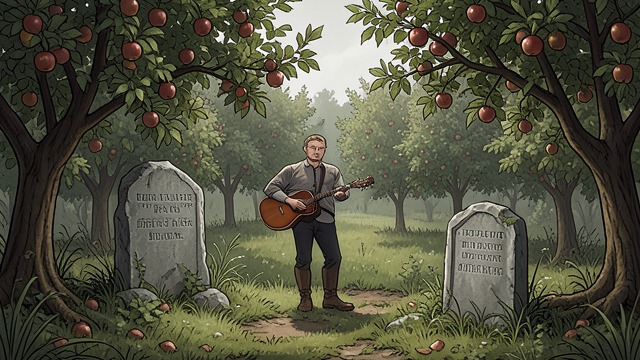
Brister Freeman, formerly enslaved by Squire Cummings, plants and tends apple trees on Brister’s Hill. Thoreau later finds the trees still bearing wild, ciderish fruit.
An epitaph calls Brister a man of color and records his death. Thoreau objects to the way such memorial language can announce a death more plainly than it acknowledges a life.
Significance
The old orchard carries a more vivid memory than the formal inscription alone. Brister’s story connects cultivation, racial hierarchy, and the uneven preservation of local history.
The Disappearing Hamlet
Houses Become Cellars
Vanishing Settlements
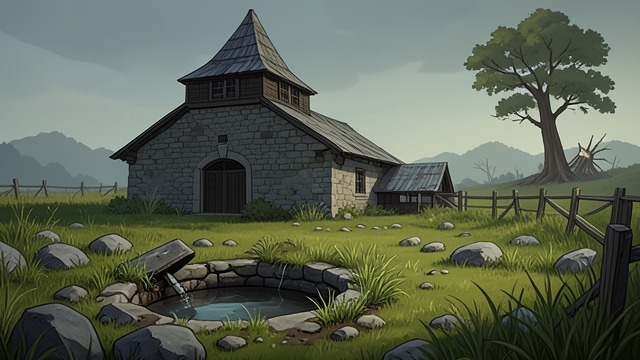
Thoreau recalls former residents whose homes stood along the woods: laborers, makers, and families whose holdings were precarious. Fire, poverty, and departure reduce their dwellings to cellar dents and scattered stones.
Wild plants grow over the foundations, while wells dry or are covered. The landscape both absorbs human life and preserves faint physical traces of it.
Significance
The vanished settlement complicates the idea that Thoreau is the first meaningful inhabitant. His solitude is surrounded by histories that conventional accounts may forget.
The Lilac’s Remembrance
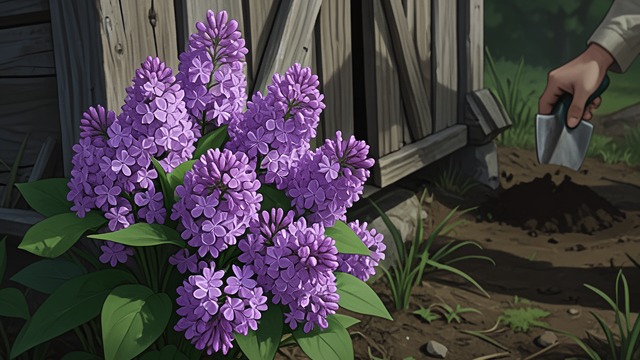
A Living Memorial
Blossoms After Ruin
A lilac planted by children continues flowering after the house, door, and garden are gone. A traveler can still see its bright blossoms beside the remains of the settlement.
The plant preserves family memory without an inscription or a deed. Its persistence makes the landscape an informal archive of lives that have otherwise left little record.
Significance
Nature’s growth does not erase the past; it carries fragments of it forward. Thoreau’s account turns a seasonal flower into a quiet form of historical testimony.
Before Thoreau’s residence, within living memory
Before her house burned during the War of 1812
Before and after Brister Freeman’s life there
As Thoreau maps earlier homes in Walden Woods
In spring, decades after the houses disappear
