
Thoreau’s Movement Toward Civil Disobedience
WaldenThis flow traces Thoreau’s reasoning from moral independence to tax refusal, imprisonment, and a call for active noncooperation with injustice.
increasing Bearing strength in each event
 decreasing
Bearing strength in each eventdecreasingConscience Before Law
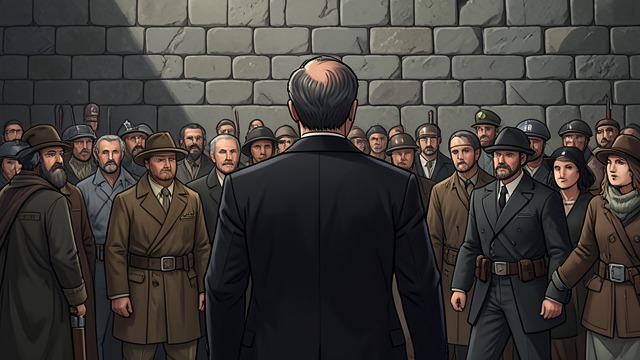
The Individual’s Judgment
The Moral Starting Point
Henry David Thoreau argues that citizens should respect what is right more than the law itself. A conscience cannot be handed over to a legislature without surrendering a person’s moral responsibility.
Law may leave injustice intact and enlist even well-disposed people in its operation. Thoreau therefore asks how an individual should act when government conflicts with conscience.
Significance
The essay begins with a principle of personal responsibility. Political obedience is not automatically moral merely because it is lawful.
War and Slavery
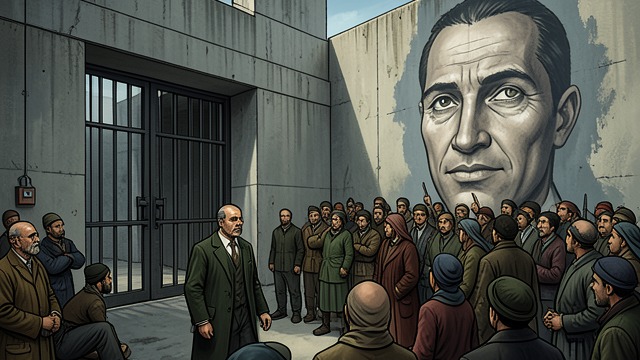
Injustice Made Public
The State’s Complicity
Thoreau condemns the government’s connection to slavery and its war against Mexico. He argues that these wrongs are not distant abstractions because citizens’ allegiance and money sustain the political order.
He rejects the excuse that reform must wait until most people agree. When the government makes injustice organized, delay can make ordinary citizens participants in it.
Significance
The essay’s argument is grounded in specific political crises. Conscience becomes urgent when national policy requires people to support harms they already recognize.
Tax Refusal
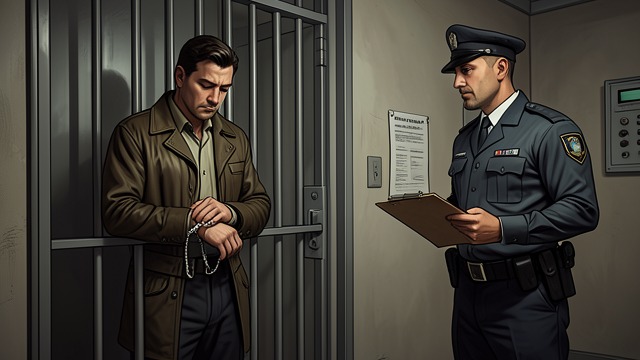
A Practical Withdrawal
Refusing Support
Thoreau refuses to pay the poll tax, explaining that he wants to withdraw allegiance from a state connected to slavery and war. He treats refusal as a direct act rather than a symbolic opinion.
The tax collector becomes the human point of contact with political authority. Thoreau emphasizes that his dispute is ultimately with people, not only institutions or documents.
Significance
Nonpayment turns conscience into a public practice with a visible cost. The refusal asks others to consider what their own small acts of support make possible.
A Night in Jail
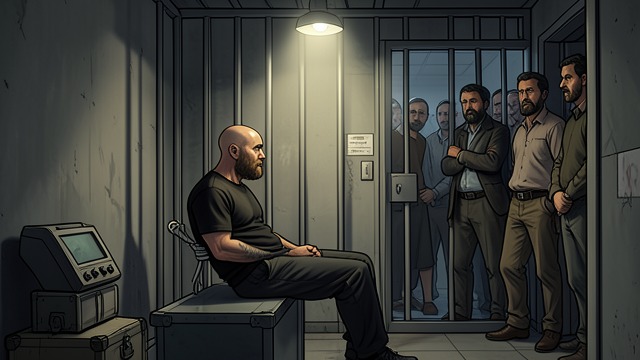
Confinement for Conscience
The Tax Penalty
Thoreau is arrested for refusing the tax and spends a night in Concord jail. He observes the stone walls and barred light, wondering why the state thinks imprisonment is the best use it can make of him.
The confinement does not make him feel inwardly imprisoned. Instead, it reveals a deeper distance between his independence and the conformity of his neighbors.
Significance
The jail gives the argument a personal cost and a public setting. Thoreau portrays bodily confinement as less powerful than a mind unwilling to accept injustice.
A Peaceable Revolution
Noncooperation as Change
Withdrawing Support
Thoreau calls on people to stop lending their money and persons to injustice, even if they form only a small minority. If officials resign and citizens withdraw allegiance, he argues, the machinery of oppression can be obstructed without violence.
His proposed resistance carries consequences, including seizure of property or imprisonment. He accepts those risks as less damaging than enabling violence against others.
Significance
The argument culminates in action rather than petition alone. A peaceable revolution begins when conscience changes the practical relations between a citizen and the state.
At the opening of “On the Duty of Civil Disobedience”
As Thoreau describes the national crisis of his time
After Thoreau refuses the poll tax for several years
One night during the summer of 1846
Near the conclusion of the essay
