
The Refusal and the Jail
WaldenThis flow focuses on the personal sequence of Thoreau’s tax resistance, arrest, confinement, and changed view of his neighbors.
increasing Bearing strength in each event
 decreasing
Bearing strength in each eventdecreasingA Conscientious Refusal
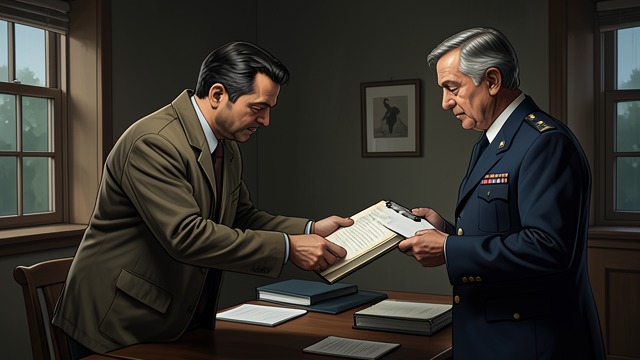
A Boundary Set
Refusing the Tax
Henry David Thoreau declines to pay a poll tax because he will not voluntarily support a government implicated in slavery and war. His refusal establishes a boundary between his conscience and state demands.
He does not present the choice as a way to escape every civic obligation. He distinguishes taxes he accepts from a payment he regards as an endorsement of injustice.
Significance
The decision makes an inward conviction publicly testable. It begins the chain that leads to arrest and forces Thoreau to clarify what allegiance means.
The Collector Arrives
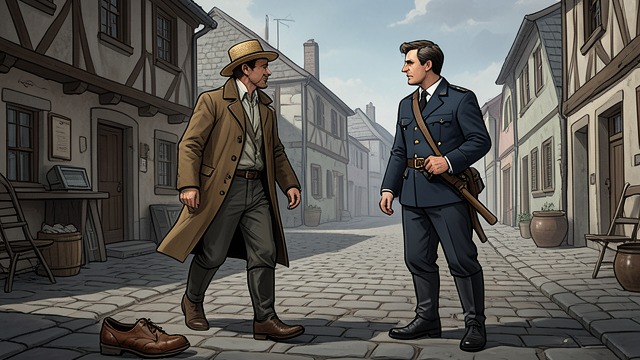
Authority at Close Range
A Personal Encounter
A representative of the State arrests Thoreau as he goes to collect a repaired shoe. The ordinary errand is interrupted by a dispute that has remained abstract until an official acts upon it.
Thoreau treats the tax collector as a neighbor who has chosen to serve the government. His resistance therefore asks the officer to recognize the human relationship beneath the official role.
Significance
The arrest turns political theory into direct encounter. The contrast between a mended shoe and a night in jail underscores how abruptly public power enters ordinary life.
The Cell and Its Company
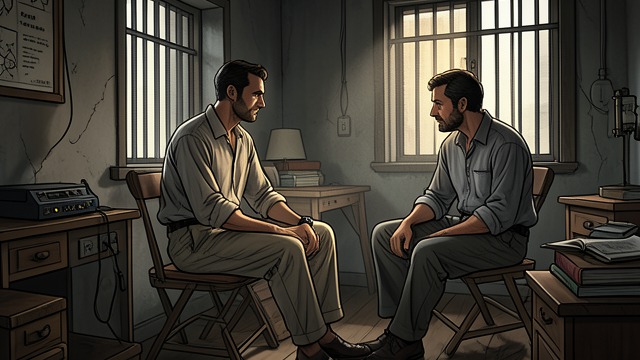
A Night Behind Bars
An Unfamiliar Interior
Thoreau shares a room with a prisoner awaiting trial and listens to stories of jail life. The room is orderly and whitewashed, but its barred windows make the institution’s separation unmistakable.
He notices the town’s sounds from a new position, as if his familiar village had become a distant historical place. Confinement gives him an unexpected view of Concord’s social world.
Significance
The experience is both concrete and interpretive. Thoreau’s short imprisonment changes how he sees the institutions and routines that usually remain outside his attention.
Release by Another’s Payment
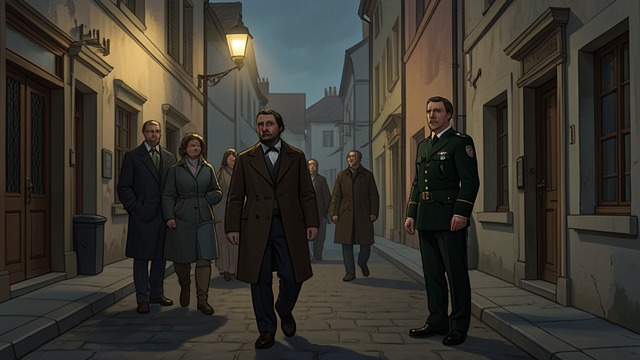
Freedom and Complication
An Unchosen Release
Someone pays the tax and Thoreau is released the next morning. He does not control the action that ends his confinement, so the release complicates the clean logic of his refusal.
He resumes his errand and then joins a huckleberry party. The ordinary day continues, but his brief imprisonment has sharpened his view of state power and social acquiescence.
Significance
The event shows that resistance can be interrupted by other people’s choices. Thoreau nevertheless treats the experience as evidence about conscience, not as a failed protest.
A Changed View of Neighbors
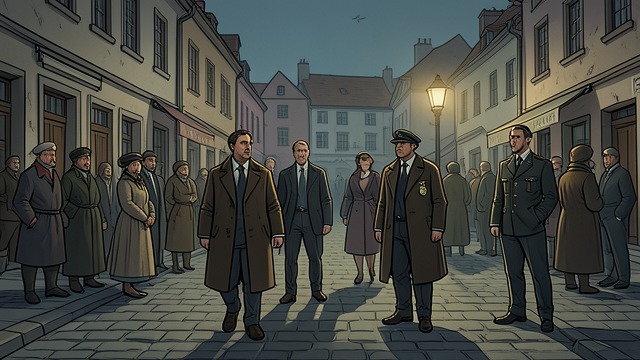
The Village Reconsidered
Friendship Under Pressure
After his release, Thoreau sees more clearly how little risk his neighbors are willing to take for justice. Their friendship seems fair-weather when property, comfort, or established habits are at stake.
He recognizes that many people may not even know how their institutions operate. His criticism concerns both their prejudices and their failure to let moral concern alter practical behavior.
Significance
The jail episode changes the measure by which he judges community. The test is not sympathy in speech, but willingness to refuse participation in wrong.
Several years before the recorded arrest
One afternoon while Thoreau is going to the shoemaker
That evening inside Concord jail
The morning after the arrest
Immediately after he leaves jail
