
The Canadian Woodchopper
WaldenThis flow traces the woodchopper’s cheerful, physical life and Thoreau’s divided response to his contentment and limited education.
increasing Bearing strength in each event
 decreasing
Bearing strength in each eventdecreasingA Visitor in the Woods
The Woodchopper Appears
A Working Neighbor
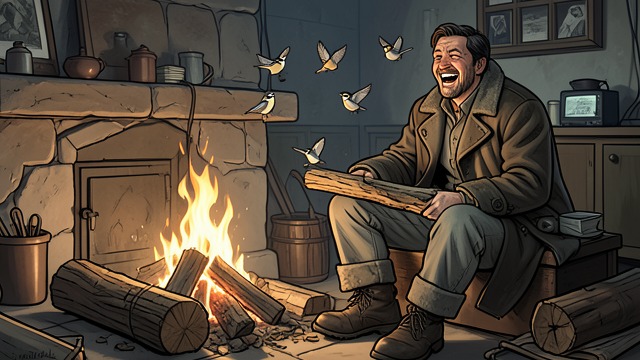
A Canadian woodchopper visits Thoreau’s lodge, bringing a practical familiarity with the forest and a simple enjoyment of work. He has heard of Homer but has not read a book through in many seasons.
His presence joins intellectual questions to ordinary labor. Thoreau finds him quiet, good-humored, and at ease among trees, qualities that challenge conventional measures of success.
Significance
The woodchopper becomes a test of Thoreau’s assumptions about education and fulfillment. His life is neither simply an ideal nor a simple failure.
Labor Without Exhaustion
A Contented Worker
Physical Ease
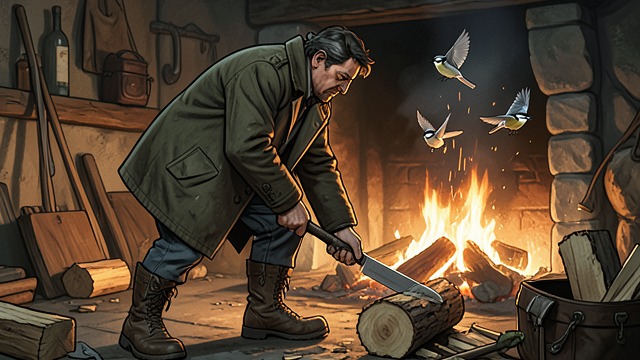
The woodchopper says he has never been tired in his life, despite working hard. He takes pleasure in chopping, laughing freely and enjoying the company of chickadees around his winter fire.
His work seems less burdened by haste than the work Thoreau sees among many New Englanders. The woodchopper does not measure every hour by advancement or accumulation.
Significance
His contentment suggests a kind of freedom rooted in physical life. Thoreau admires this ease even as he wonders whether it leaves higher capacities undeveloped.
A Mind Still Sleeping

The Limits of Instruction
Trust Without Development
Thoreau believes the woodchopper has received little intellectual or spiritual education. Religious instruction, in Thoreau’s view, has taught reverence without encouraging the pupil to become fully conscious and independent.
The judgment sits uneasily beside the man’s humor and practical intelligence. He can explain why money is useful and can sometimes reimagine institutions from direct experience.
Significance
The portrait reveals Thoreau’s uncertainty about what counts as wisdom. Formal learning is not the only measure, but contentment alone may not exhaust a person’s possibilities.
A Refusal of Reform
“I Like It Well Enough”
Contentment Stated
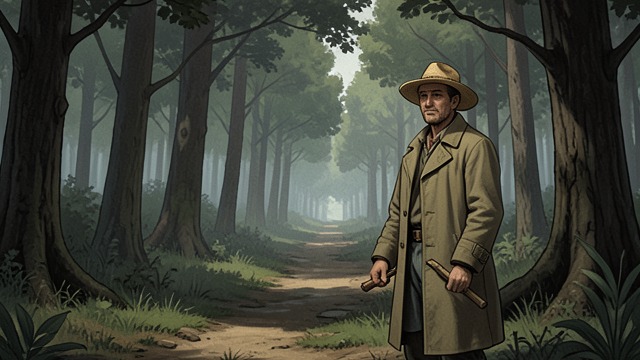
Asked whether he wants the world changed, the woodchopper replies that he likes it well enough. His answer surprises Thoreau because the man has not even considered the question in the expected terms.
The response may express contentment, limited horizons, or a refusal to borrow another person’s dissatisfaction. Thoreau cannot determine whether it reflects poetic consciousness or simple ignorance.
Significance
The exchange prevents easy moral classification. The woodchopper’s fate becomes a question about whether reform begins with discontent or with a deeper awakening.
A Life Left Open

The Unsettled Judgment
Admiration and Concern
Thoreau continues to admire the woodchopper’s independence, good humor, and natural simplicity while worrying that his intellectual life remains dormant. The portrait ends without claiming that either quality cancels the other.
The man’s ordinary life provokes a difficult question: whether he has found enough or has not yet discovered what he might become. Thoreau acknowledges that the distinction remains uncertain.
Significance
The character’s story resists a neat lesson about poverty or education. It shows Thoreau testing his ideas against a person whose happiness does not fit his categories.
During Thoreau’s Walden residence
During the woodchopper’s accounts of daily work
As Thoreau reflects on the woodchopper’s education
During the conversation about changing the world
Near the end of the woodchopper portrait
