
The Lives of Former Residents
WaldenThis flow follows Thoreau’s reconstructed lives of people who inhabited Walden Woods before him and the traces that outlast their households.
increasing Bearing strength in each event
 decreasing
Bearing strength in each eventdecreasingCato Ingraham’s Home
A Narrow Place to Live
Land Under Permission
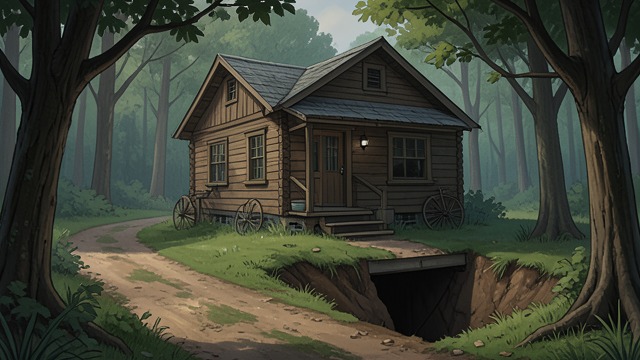
Cato Ingraham lives in Walden Woods in a house built for him by his enslaver, Duncan Ingraham. He tends a small patch and hopes that its walnut trees may serve him in old age.
The hope depends on land and trees he does not securely control. Another person later takes the walnuts, and Cato’s small dwelling survives only as a hidden cellar hole.
Significance
Cato’s story joins personal aspiration to the limits imposed by enslavement and property. His former home makes the woods a site of remembered injustice.
Zilpha’s Household
Work, Voice, and Home
A Linen Spinner
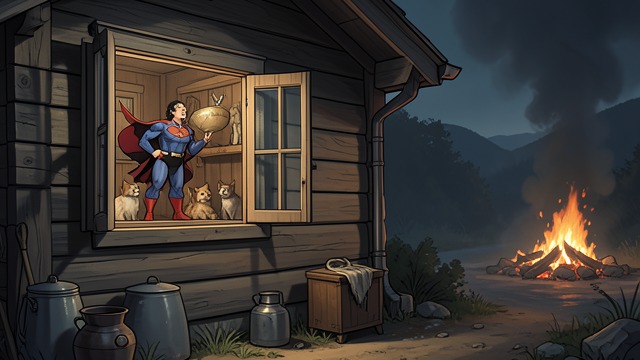
Zilpha lives in a small house near Thoreau’s future field, spinning linen for townspeople. Her singing carries through the woods and makes her presence audible beyond the household.
The house holds the animals and work of daily life. Its importance is revealed when an accidental or deliberate fire destroys the dwelling while Zilpha is away.
Significance
Thoreau remembers Zilpha through sound and labor rather than through an official account. The loss of the house marks how quickly a poor resident’s world can disappear.
Brister Freeman’s Orchard
Trees That Remain
A Cultivated Legacy
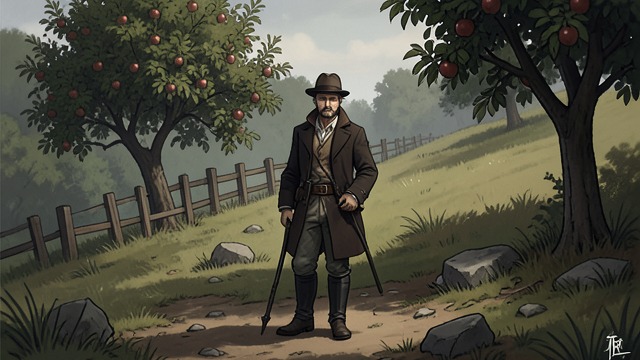
Brister Freeman plants and tends apple trees on the slope later known as Brister’s Hill. After his household has vanished, the trees continue to bear wild fruit.
A cemetery epitaph records his death but offers little sense of his daily life. Thoreau reads the living orchard as a more intimate trace of the person who cared for it.
Significance
The story makes cultivation a form of memory. Brister’s trees outlast the property arrangements and brief written record that might otherwise define his life.
Hugh Quoil’s Last Dwelling
The Ditcher’s End
A House After Death
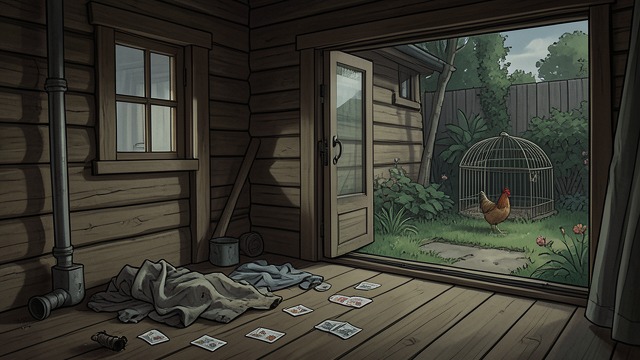
Hugh Quoil, an Irish ditcher rumored to have been a soldier at Waterloo, lives in a former potter’s dwelling. He dies on the road near Brister’s Hill shortly after Thoreau arrives.
When Thoreau visits the deserted house, he finds worn clothing, a broken pipe, scattered cards, an unfinished garden, and a chicken still living in the next room. These objects suggest a life interrupted rather than neatly concluded.
Significance
The dwelling preserves the disorder of an individual fate. Quoil’s abandoned home contrasts sharply with idealized accounts of settlement and progress.
Cellar Holes and Lilacs
Traces After Departure
Memory in the Landscape
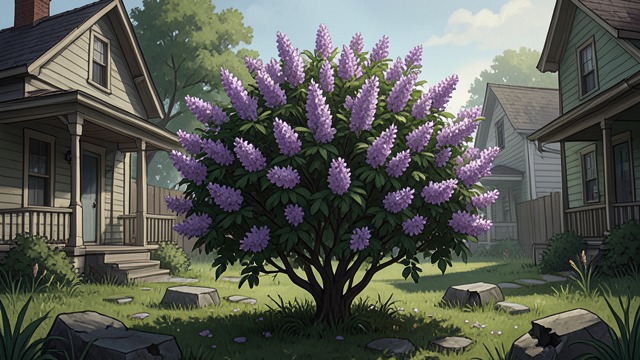
The homes of former residents become dents, stones, wells, orchards, and flowers. Thoreau finds a lilac still blooming where children once planted it in a front yard.
The material traces preserve connections that official records and living memory may lose. Their survival gives the landscape a layered human past.
Significance
The former residents’ stories challenge the idea that Walden Woods was empty before Thoreau. Nature covers human dwellings while carrying parts of their histories forward.
Before Thoreau settles in Walden Woods
Before the War of 1812 fire
During Brister Freeman’s life on the hill
Shortly after Thoreau comes to Walden Woods
During Thoreau’s later walks through the woods
