
The Poet and the Hermit
WaldenThis flow traces the changing balance between Thoreau’s solitary reflection and the companionship of visitors who bring conversation into the woods.
increasing Bearing strength in each event
 decreasing
Bearing strength in each eventdecreasingSolitude as Company
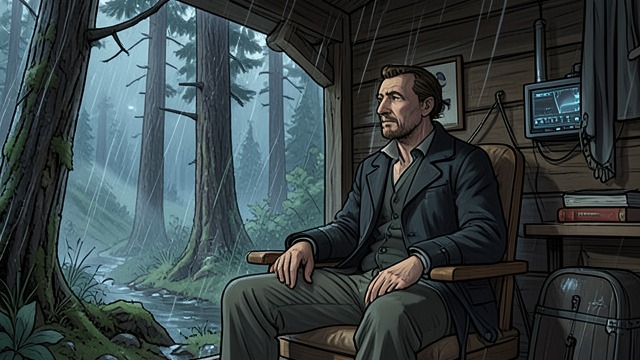
A Companion in Nature
Beyond Loneliness
Thoreau describes rain, trees, and the small sounds around his cabin as a beneficent company. After a brief period of doubt, he feels that natural surroundings can sustain him more tenderly than nearby human society.
The experience does not make him hostile to people. It changes what he recognizes as companionship and allows solitude to become emotionally rich rather than empty.
Significance
The scene establishes an inward relationship with the natural world. It makes the woods a place of affection as well as observation.
Three Chairs
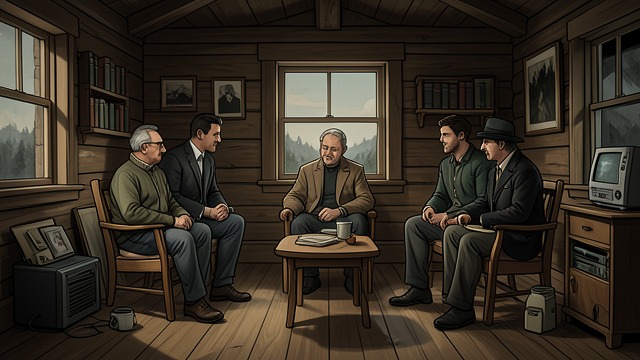
Room for Different Company
A Small Household
Thoreau keeps three chairs: one for solitude, two for friendship, and three for society. His small cabin can hold many visitors, though there is little room for elaborate hospitality.
The arrangement treats social life as something that can expand or contract according to the occasion. Even a spare room becomes sufficient when conversation matters more than display.
Significance
The chairs turn domestic furniture into a map of relationships. Thoreau’s home accommodates both privacy and company without assuming that a larger house makes better friendship.
Conversation Across Water
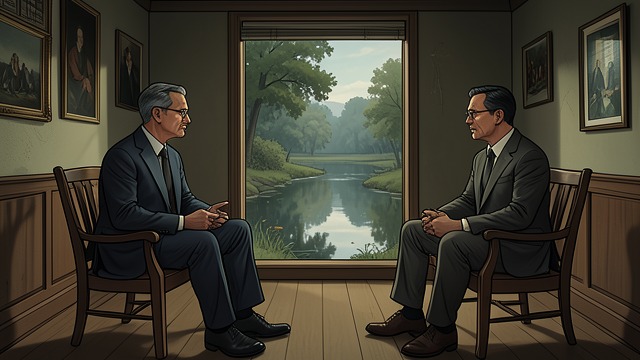
Distance for Thought
Speech and Space
Thoreau finds that thoughtful conversation needs physical distance. He enjoys speaking across the pond, where each person has room to hear rather than crowding one another with words.
As talk becomes more reflective, the visitors move their chairs farther apart inside the cabin. The small room makes their effort humorous but also reveals the value of silence.
Significance
Intimacy is not measured by bodily closeness. The scene suggests that companionship can deepen when people respect one another’s space and thought.
The Poet Arrives
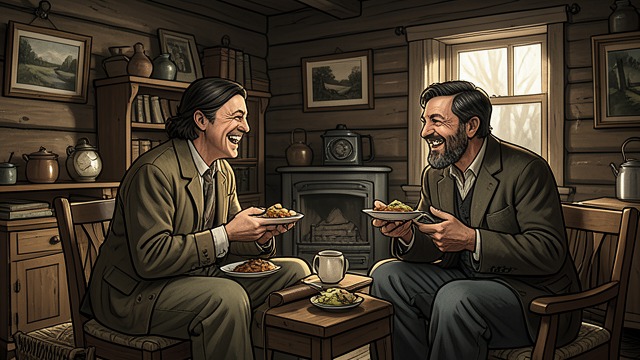
Mirth in the Woods
A Welcome Visitor
A poet travels through snow and darkness to reach Thoreau’s cabin. Their conversation and laughter fill the small room and compensate for long stretches of winter silence.
They develop theories of life over simple food, finding that shared talk can be lively without elaborate comforts. The visit makes the cabin temporarily larger through the energy of company.
Significance
The poet’s arrival shows that solitude need not exclude friendship. A rare, chosen visit can carry more meaning than constant social contact.
The Visitor Who Never Comes
Waiting at Evening
An Open Welcome
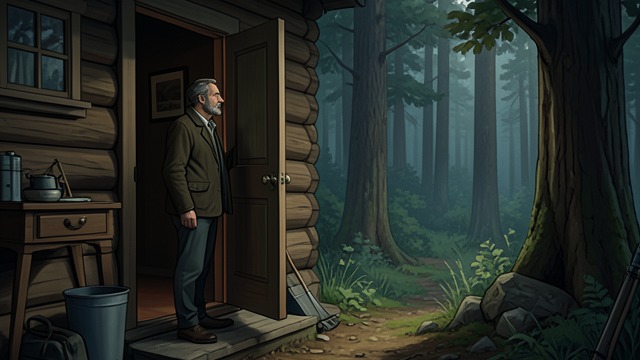
Thoreau recalls the householder’s duty in the Vishnu Purana to wait at evening for a guest. He says he has waited long enough to milk a herd of cows but has not seen the expected visitor from town.
The absence makes hospitality feel both generous and comic. It leaves the cabin open to a kind of relationship that may never arrive.
Significance
The thread ends with longing rather than a completed encounter. Thoreau’s isolation is self-chosen, but his account still makes room for the hope of human fellowship.
During Thoreau’s early months at Walden
In the opening of “Visitors”
During a visit to a companion by Walden Pond
During a winter visit to the cabin
Near the end of “Former Inhabitants and Winter Visitors”
