
Visitors and the Boundaries of Intimacy
WaldenThis flow follows Thoreau’s selective hospitality and his conviction that meaningful companionship depends on freedom, space, and shared attention.
increasing Bearing strength in each event
 decreasing
Bearing strength in each eventdecreasingThe Cabin’s Open Door
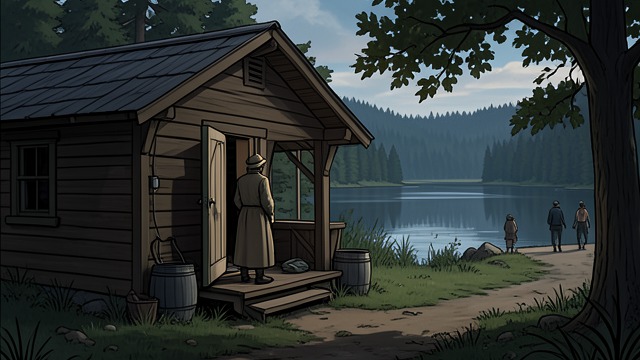
A House Without Locks
Trust in Practice
Thoreau leaves his cabin door unfastened, even when he is away. Travelers may warm themselves, read his books, or see what food remains, and he reports little serious inconvenience.
The open house expresses a practical trust in people. Thoreau argues that simple living reduces the inequalities that encourage theft and suspicion.
Significance
Hospitality appears as a choice about how to live, not a display for visitors. His unguarded cabin contrasts with society’s dependence on locks and possessions.
The Select Guest
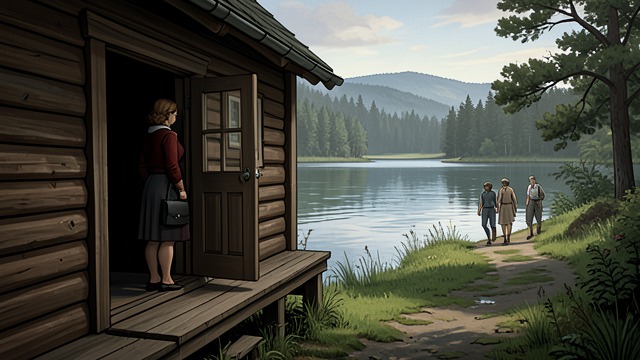
Company at a Distance
A Narrowed Circle
Thoreau says the woods receive visitors, but distance from town filters out many who come for trivial business. The people who do arrive often engage him under more favorable circumstances.
He compares his visitors to sediment left by streams entering a large ocean. The image suggests that physical distance can change the character of social contact.
Significance
Thoreau does not reject company; he seeks relationships that are not merely habitual. Rare encounters can become more substantial because they are freely chosen.
The Room for Conversation
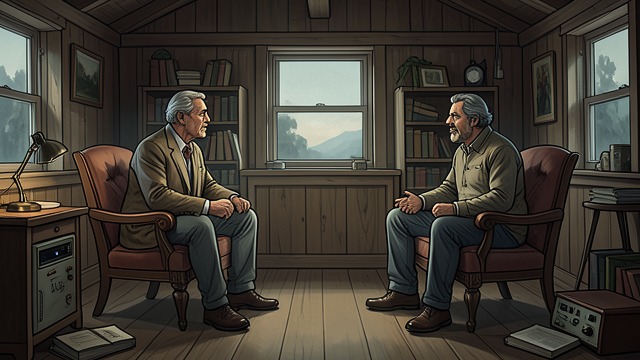
Space Between Speakers
Words Need Distance
Thoreau argues that serious thought needs room to gather before it reaches another person. In his small cabin, visitors keep moving their chairs farther apart as conversation grows more ambitious.
The humor of the cramped room illustrates a genuine preference for reserve. Constant closeness can make speech loud and easy without making understanding deeper.
Significance
The scene links physical space to emotional and intellectual independence. Companionship becomes more intimate when it does not demand constant proximity.
A Meal Not Required
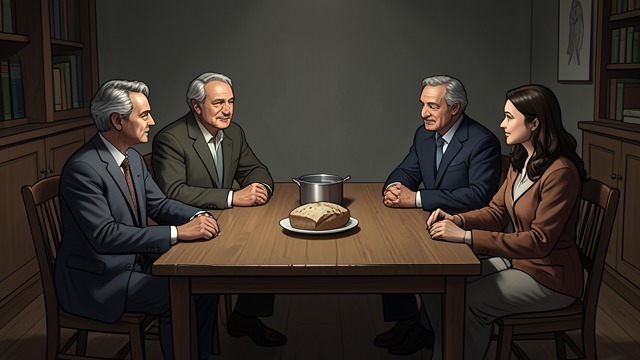
Simplicity as Welcome
The Shared Table
Thoreau can prepare a plain meal for one visitor, but when a larger group arrives he does not pretend to provide a feast. The company talks without treating the lack of dinner as an injury.
He objects to hospitality that makes elaborate meals feel like a barrier or obligation. Rest, conversation, and freedom from display can be a more genuine welcome.
Significance
The episode challenges social customs that turn generosity into performance. Thoreau’s hospitality is measured by the quality of presence rather than the quantity of food.
Solitude’s Companion

Company Without Crowds
A Chosen Relationship
Thoreau says that solitude is more companionable than many gatherings and that he is rarely lonely in the woods. Natural sounds and reflective thought give his days a form of company.
This preference does not erase his pleasure in selected visitors. It sets a standard in which friendship is meaningful when it complements, rather than overwhelms, inward life.
Significance
The thread resolves in a balance between openness and reserve. Thoreau values relationships that preserve the freedom of both people.
During his residence at Walden
During the account of visitors to the cabin
When visitors begin discussing larger ideas
During the discussion of hospitality and food
Near the end of “Solitude”
