
The Tax Dispute Intensifies
WaldenThis flow traces the escalation from an unjust political order to a personal refusal and Thoreau’s argument for organized noncooperation.
increasing Bearing strength in each event
 decreasing
Bearing strength in each eventdecreasingA Government in Question

The State as an Expedient
Authority Challenged
Thoreau opens by calling government an expedient that can be abused before citizens manage to act through it. He doubts that political machinery necessarily expresses the people’s actual will.
The government is neither wholly useless nor automatically just. Its legitimacy must be measured by what it does and by whether people can morally support its actions.
Significance
The opening broadens the conflict beyond one tax bill. It asks when an institution intended to serve people becomes an instrument they must resist.
A Majority Without Justice
Strength Is Not Right
The Minority’s Conscience
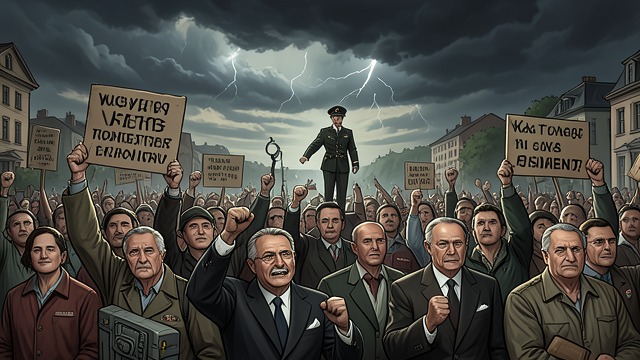
Thoreau argues that majorities rule because they are physically stronger, not necessarily because they are right. Matters of conscience should not be decided by a vote alone.
He distinguishes questions suitable for expediency from questions requiring moral judgment. A citizen must retain the responsibility to decide what is just.
Significance
The argument intensifies the conflict between democratic procedure and individual conscience. Political consent cannot make an unjust action morally harmless.
Injustice Becomes Personal
The Citizen Implicated
Support and Responsibility
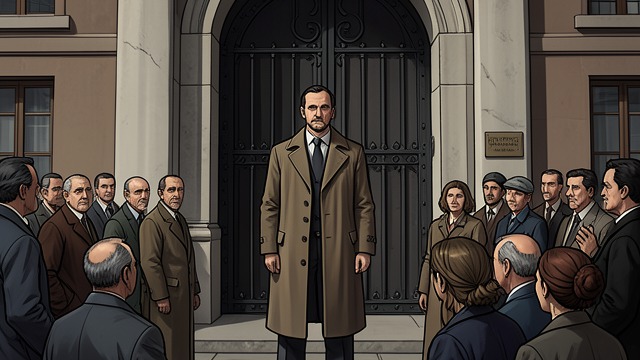
Thoreau argues that paying into an unjust state can make an ordinary person an agent of its actions. He objects not only to particular laws but to the practical support that keeps them operating.
His position challenges citizens who condemn slavery or war while continuing to finance the government responsible. The difference between opinion and conduct becomes the central point of pressure.
Significance
The conflict moves from policy to personal responsibility. A citizen cannot claim moral distance merely by disapproving while continuing to participate.
Prison as a Political Answer

The State Enforces Its Demand
Bodily Coercion
The state responds to Thoreau’s nonpayment by arresting and confining him. The jail can restrict his body, but he argues that it cannot command the convictions that led him there.
His brief confinement exposes the government’s reliance on physical force rather than superior moral reasoning. Its attempt to punish him makes his disagreement visible.
Significance
The conflict reaches its sharpest personal point when the state acts against the dissenter. Imprisonment becomes evidence of the divide between lawful authority and justice.
A Minority Blocks the Machine
Resistance Without Violence
A Practical Remedy
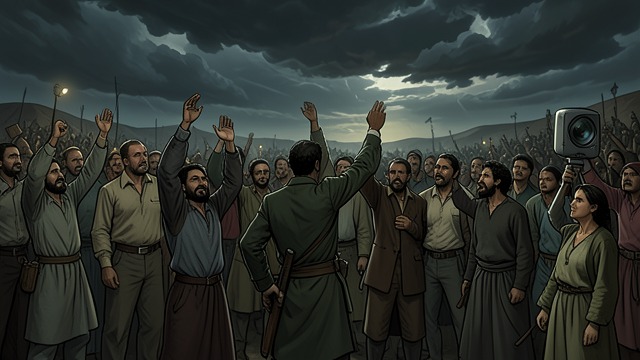
Thoreau calls on individuals to withdraw support and accept penalties rather than enable injustice. A small minority, he argues, can become effective when it stops cooperating.
He imagines officials resigning and citizens refusing their contributions until the state must confront its own actions. The proposed change is peaceable in method but radical in its consequences.
Significance
The conflict resolves as a demand for action, not a promise that institutions will reform themselves. Conscience becomes a force capable of interrupting political machinery.
At the beginning of the civil-disobedience essay
As Thoreau critiques majority rule
When Thoreau discusses his tax refusal
On the night Thoreau is jailed
In the essay’s concluding argument
