
Poverty as a Chosen Resource
WaldenThis flow traces Thoreau’s argument that material poverty, when chosen and understood, can protect time, independence, and spiritual attention.
increasing Bearing strength in each event
 decreasing
Bearing strength in each eventdecreasingNecessities Defined

The Basic Requirements
Food and Shelter
Thoreau groups human necessities under food, shelter, clothing, and fuel, then asks how much of ordinary consumption genuinely belongs in that list. Many comforts, he argues, are not essential to life.
The distinction invites people to examine habits that have been mistaken for needs. Once basic requirements are met, more accumulation is only one possible direction.
Significance
Poverty becomes a resource when it separates necessity from excess. The argument begins by making need a question for judgment rather than custom.
The Poor Student

An Invitation to Begin
Limited Means
Thoreau says his pages may be especially addressed to poor students. He believes a person need not wait for wealth or secure inheritance before pursuing a serious life.
His own example suggests that modest shelter and basic tools can be enough for work and study. Limited resources may narrow choices, but they need not extinguish intellectual ambition.
Significance
The argument speaks to readers who cannot purchase conventional comfort. Poverty can make a life simpler and more focused when it is not defined by shame.
Freedom from Accumulation
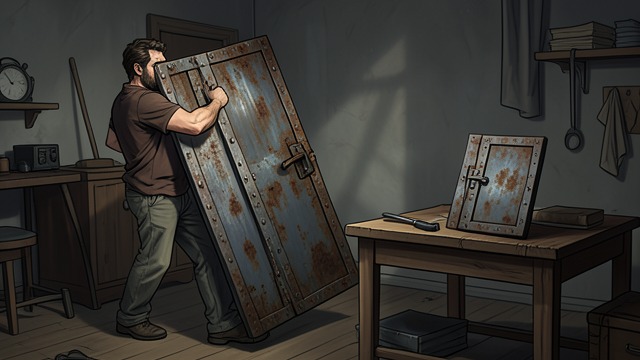
The Weight of Things
Carrying What Is Owned
Thoreau describes furniture and possessions as burdens that can prevent people from moving freely. The more a person owns, the more obligations, storage, and anxiety may follow.
He prefers a compact life in which necessary objects are few and easy to leave behind. Ownership can become a form of attachment that disguises itself as security.
Significance
Material poverty can protect mobility and attention. The goal is not deprivation for its own sake but freedom from possessions that claim too much life.
Life Near the Bone

The Sweetness of Enough
Fewer Distractions
Thoreau argues that limited means can keep a person close to significant experiences and protect against becoming a trifler. The vital substance of life can be more available when superfluities are absent.
He does not claim that hardship is automatically ennobling. Rather, poverty can become spiritually useful when it does not crowd out thought or self-respect.
Significance
The contrast is between material scarcity and spiritual impoverishment. A person may have little money yet retain the means most important to the soul.
The Independent Poor

Receiving Without Shame
A Changed Measure
Thoreau observes that some poor people live more independently than those who rely on wealth and status. He suggests that the ability to receive without misgiving may express a strength of its own.
He urges readers to cultivate poverty like a garden herb and to keep their thoughts even when they lack books, newspapers, or fashionable goods. Inner resources are not bought with money.
Significance
The thread resolves in a revaluation of dependence and wealth. Poverty is not a universal virtue, but material abundance is no guarantee of freedom.
Early in “Economy”
As Thoreau addresses his intended readers
During the critique of possessions and furniture
In the conclusion’s reflection on poverty
Near the end of “Conclusion”
