
Spring as Moral Renewal
WaldenThis flow traces the spring thaw as both a natural process and an image of the possibility that human beings can begin again.
increasing Bearing strength in each event
 decreasing
Bearing strength in each eventdecreasingWaiting for the Change
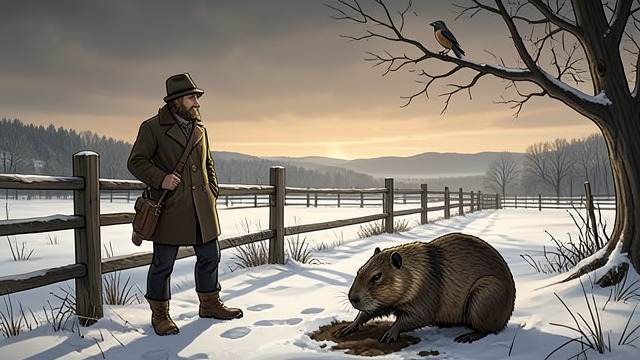
Watching for Spring
Signs of Return
Thoreau waits for birds, warmer days, and the first movement of the woodchuck as winter loosens its hold. The pond’s ice begins to weaken even while the surrounding landscape remains cold.
The season’s change is slow and uneven. Thoreau watches for small signs rather than assuming that spring has arrived merely because the calendar has turned.
Significance
Seasonal attention makes renewal a process with visible stages. Hope grows through observation rather than through wishful declaration.
Sand Leaves on the Bank
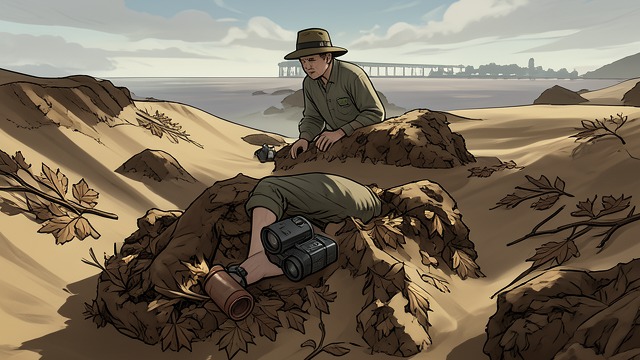
Earth in Motion
A Living Surface
Thoreau watches thawing sand and clay flow down a railroad bank in forms that resemble leaves, branches, and organs. The slope seems to reveal the earth creating new patterns under the sun.
What appears inert begins to move and organize itself. The spectacle makes geological material seem alive and connected to the forms of plants and bodies.
Significance
Spring renews more than visible vegetation. Thoreau sees the ground itself as active, plastic, and capable of producing unexpected forms.
Ice Gives Way
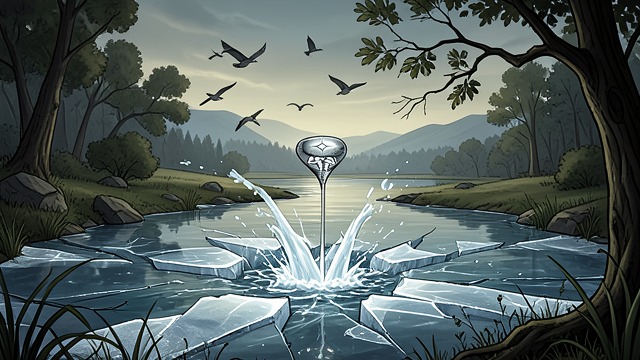
A Sudden Opening
The Water Returns
Walden’s ice melts gradually around the shore and then vanishes after warmth, rain, and mist. Thoreau watches the pond become open water and hears birds returning to the woods.
The change seems immediate only at its final moment. It has been prepared by days of shifting temperature and gradual weakening.
Significance
The pond’s transformation gives a physical form to the possibility of renewal. What seemed closed and lifeless reveals itself as ready to change.
Innocence Returns
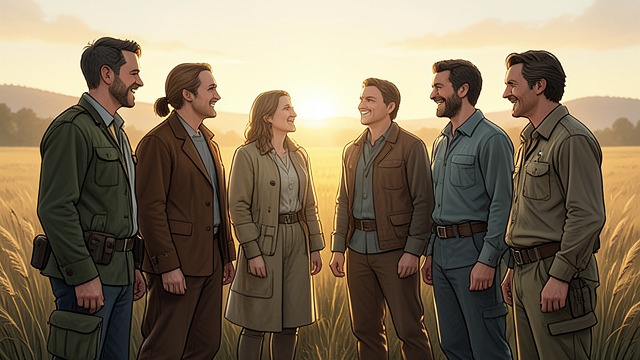
A Truce with Vice
A Human Spring
Thoreau suggests that a bright spring morning can make people see their neighbors anew. The exhausted person may show tenderness and hope when warmth and light restore the sense of possibility.
The season becomes a temporary pardon, revealing capacities that ordinary judgment has overlooked. Human faults do not necessarily describe the whole person or determine what comes next.
Significance
Spring offers a moral analogy for starting again. Thoreau asks why people resist the renewal that nature makes visible.
The Unfinished Renewal

Beginning Again
A Repeated Possibility
Thoreau concludes that people should live in the present and accept each new opportunity as it comes, rather than spend their lives compensating for neglected chances. Spring makes that possibility vivid.
A fresh day can revive neglected virtues, but repeated harm can prevent them from growing. Renewal is offered freely, yet it requires attention and response.
Significance
The thread ends with both hope and responsibility. Nature demonstrates that change is possible, while human conduct determines whether new beginnings take root.
Late winter at Walden
During the spring thaw beside the railroad cut
At Walden’s spring breakup
During the moral reflection after the breakup
At the end of “Spring”
