
Thoreau’s Departure and the Meaning of Experiment
WaldenThis flow traces the conclusion of Thoreau’s Walden residence into a broader claim that experiments should be temporary, personal, and open to change.
increasing Bearing strength in each event
 decreasing
Bearing strength in each eventdecreasingA Temporary Residence
A Sojourn, Not a Settlement
Entering and Leaving
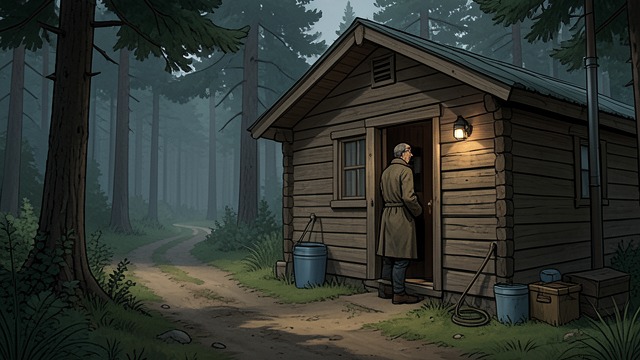
Henry David Thoreau explains that his stay at Walden lasted two years and two months and that he is again living in society. From the outset, the residence is framed as a sojourn.
The temporary duration allows him to investigate a way of life without claiming it must become permanent. The experiment has an ending because its purpose is learning, not withdrawal forever.
Significance
The frame keeps the book from becoming a simple endorsement of retreat. It prepares readers to understand departure as part of the experiment’s design.
The Experiment Defined
Living Deliberately
Testing Experience
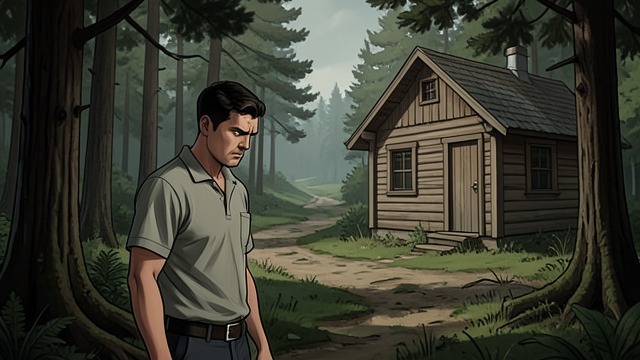
Thoreau says he went to the woods to live deliberately and confront the essential facts of life. He wanted to discover what life could teach before it was too late to learn from it.
His experiment tests both the burdens and the possibilities of human existence. He seeks a true account of life through experience rather than inherited explanation.
Significance
The woods are a setting for inquiry, not an end in themselves. Thoreau’s method asks people to examine their own lives where they are.
No Universal Formula
Refusing Imitation
A Personal Course
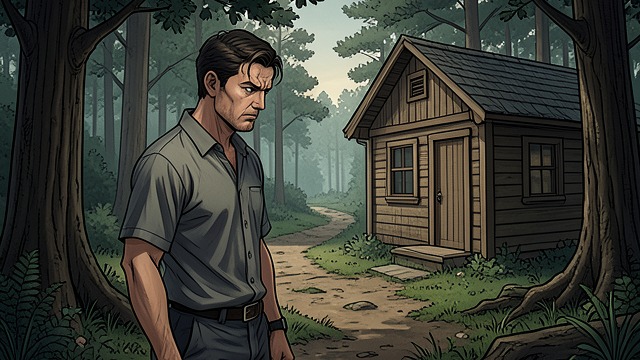
A young acquaintance says he would live as Thoreau did if he had the means. Thoreau replies that he does not want anyone to adopt his way of life simply because he has tried it.
He wants people to find their own paths and avoid living according to a parent’s or neighbor’s model. His experiment may change as he discovers something new.
Significance
The lesson of Walden is not a fixed set of rules. Its central demand is that each person conduct an honest experiment suited to that person’s nature.
Several Lives to Live

A Reason to Depart
New Possibilities
Thoreau says he left the woods because he had several more lives to live and could not spare all his time for one. He recognizes how easily a person can settle into a familiar route.
The cabin’s path to the pond remains visible years later, illustrating how quickly a repeated practice can become a beaten track. Departure protects him from treating one experiment as the only possible life.
Significance
Leaving becomes an act of continued curiosity. Thoreau’s freedom depends on being willing to end an arrangement that has already taught him what it can.
The Reader’s Experiment

Carrying the Lesson Forward
A Course of One’s Own
Thoreau concludes that a person who advances toward an imagined life may discover unexpected possibilities. Simplification can make the laws of existence appear less complex and open space for new beginnings.
The reader is not asked to reproduce the cabin, field, or schedule. The challenge is to put foundations beneath a personally meaningful vision and test it in daily life.
Significance
The book’s final movement transfers the experiment from Thoreau to the reader. Walden ends by making independent living an ongoing practice rather than a completed achievement.
At the beginning of the Walden account
During the explanation of why he went to the woods
During his response to the young man who admires his life
When Thoreau explains why he left the woods
At the end of “Conclusion”
