
Nature Outlasts Human Ownership
WaldenThis flow traces Thoreau’s recurring contrast between enduring natural processes and human systems of property, commerce, and memorialization.
increasing Bearing strength in each event
 decreasing
Bearing strength in each eventdecreasingFields Beyond Cultivation
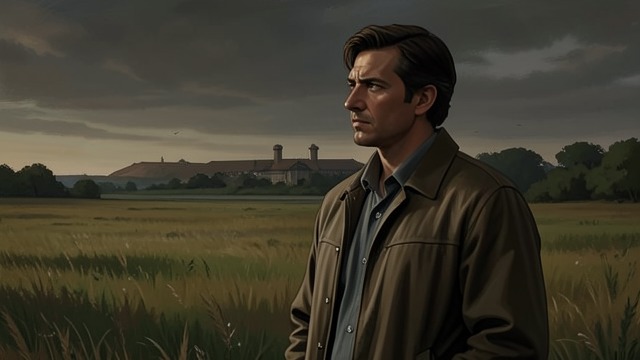
Nature’s Uncounted Yield
Beyond the Crop
Thoreau asks who measures the crops growing in fields and woods left uncultivated by people. Agricultural accounting weighs hay and grain but overlooks the plants, seeds, and food that sustain wild creatures.
His own bean field sits between cultivated and wild ground. It helps him see that nature produces abundance beyond what a farmer can harvest or sell.
Significance
Human usefulness is not the only measure of a landscape. Natural value persists outside the categories of ownership and production.
Names and Deeds
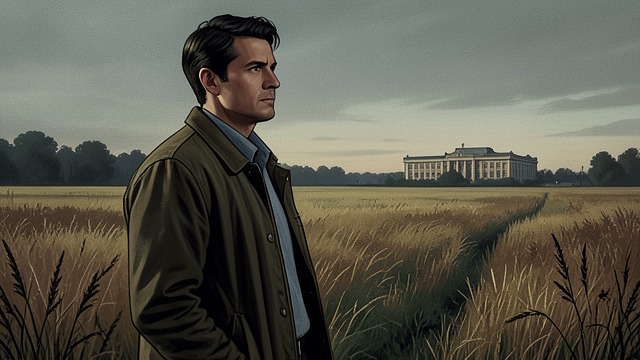
Who Owns a Place?
A Name Without Affection
Thoreau objects to the naming of a beautiful pond after a farmer who valued it mainly for its economic potential. A deed may establish legal ownership without proving affection or care.
He proposes that places deserve names connected to creatures, flowers, or people whose histories are interwoven with them. The argument challenges the authority of property to define a landscape’s meaning.
Significance
Naming becomes a conflict over cultural memory. A landscape can belong emotionally and imaginatively to people who hold no legal title.
Trees at Former Homes
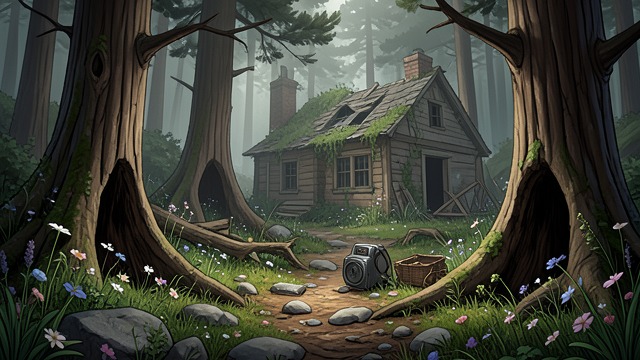
Nature Keeps the Trace
Ruins and Growth
The former homes of Walden Woods residents fade into cellar holes, stones, and wells, while trees, berries, and flowers grow over them. Human settlement disappears from view without leaving the land unchanged.
The returning vegetation both covers and records the old dwellings. A tree may mark a chimney corner; a lilac may preserve the memory of a family garden.
Significance
Nature’s renewal does not erase human history. It carries that history forward in forms that require an attentive observer to interpret.
The Pond and the Ice Trade
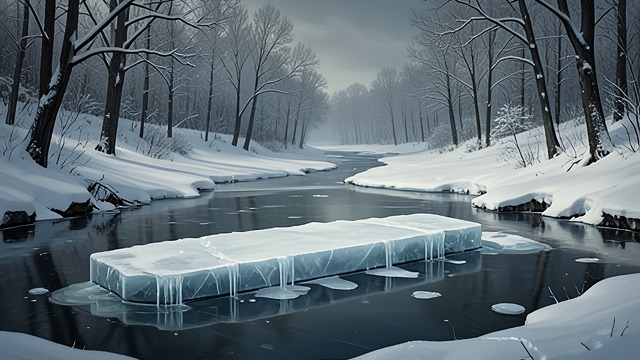
Commerce Meets Duration
A Temporary Extraction
The ice harvest removes Walden’s frozen surface for commercial use, but a large stack remains beside the pond and eventually melts back into it. The market’s plan cannot control the full course of the ice.
The pond’s seasonal processes outlast the intended transaction. Its water returns even as the landscape bears other signs of human alteration.
Significance
Nature can resist complete appropriation without remaining untouched. Thoreau’s account holds natural endurance beside the real costs of extraction.
The Durable Landscape
What Remains
Continuity and Change
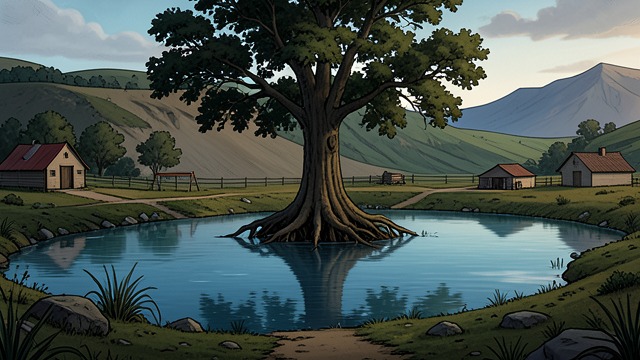
Thoreau finds Walden changed by woodcutting, railroad construction, and ice harvesting, yet still recognizably clear and alive. The pond’s enduring presence contrasts with the shifting lives and uses surrounding it.
He also admits that the change lies partly in himself. Memory and nature meet in the same water, making the landscape a witness to both human alteration and personal time.
Significance
The thread resolves in a qualified endurance, not an untouched wilderness. Nature outlasts human ownership, but its survival does not absolve people from responsibility for what they alter.
During the discussion of farming and wild land
During the criticism of Flint’s Pond’s name
During Thoreau’s walks among old settlement sites
Winter 1846–1847 and the melting of the ice stack
Near the close of “The Ponds”
