
The Citizen’s Refusal and the Common Good
WaldenThis flow traces Thoreau’s effort to reconcile personal refusal with neighborly duties and a wider vision of justice.
increasing Bearing strength in each event
 decreasing
Bearing strength in each eventdecreasingA Neighbor, Not a Parchment

Human Relations First
The Collector as Person
Thoreau insists that he quarrels with people rather than parchment. The tax collector is a neighbor who has chosen an official role, and Thoreau wants him to confront the human effects of that choice.
The encounter preserves a personal dimension within political resistance. Refusal is addressed to someone capable of reconsidering his conduct, not merely to an impersonal institution.
Significance
The relationship makes noncooperation a moral appeal as well as a protest. Thoreau seeks to awaken responsibility in the person carrying out the law.
Duty to Get Off Another’s Back

Freedom and Fellow Feeling
No Life on Another’s Shoulders
Thoreau says that a person may pursue other concerns rather than devote his whole life to reform, but must first avoid sitting on another person’s shoulders. He must not secure his own freedom through another’s oppression.
The principle connects private independence to public responsibility. A person’s chosen life is not innocent if it depends on support extracted from those denied freedom.
Significance
The argument resists both compulsory activism and self-serving withdrawal. Neighborly concern begins with refusing to make another person bear the cost of one’s comfort.
The Just Prisoner
Solidarity Through Penalty
Sharing the Consequence
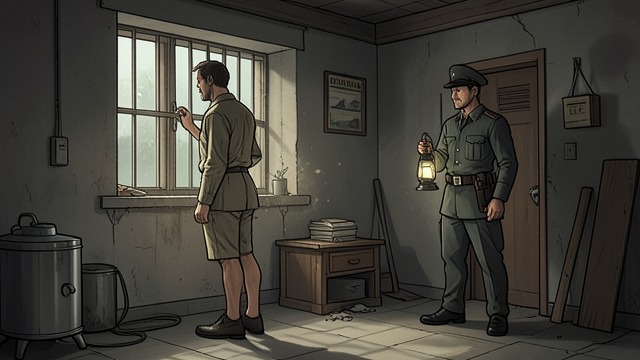
Thoreau argues that under a government that imprisons people unjustly, the prison may be the proper place for a just person. He calls on opponents of slavery to withdraw support even if the state confines them.
The proposal asks reformers to accept some of the injury imposed on those they seek to defend. Their presence in prison would make the contradiction of the state harder to ignore.
Significance
Solidarity becomes a willingness to share risk, not merely express sympathy. Thoreau imagines personal sacrifice as a way to expose public injustice.
The Cost of Intervention

Choosing Which Harm to Bear
Obedience and Consequence
Thoreau recognizes that resisting government can threaten property, family security, and comfort. He argues that obedience also has a cost when it makes a citizen complicit in injustice.
His neighbors fear the consequences of disobedience, but he asks whether those fears outweigh the harms borne by others. The choice is not between risk and safety, but between different kinds of responsibility.
Significance
The moral bond among citizens is tested by unequal exposure to harm. Thoreau asks the comfortable to reckon with the cost their security may impose on others.
Neighborly Government

A Community of Respect
Beyond Submission
Thoreau imagines a state that treats each person as a neighbor and permits a few to live apart without hostility. Such a society would recognize that respectful difference need not threaten its peace.
The vision does not eliminate duties between people. It separates genuine neighborly responsibility from compulsory allegiance to institutions that violate conscience.
Significance
The relationship between citizen and state can be renewed through respect rather than force. Thoreau’s ideal joins independence with mutual recognition.
As Thoreau explains his tax dispute
During the argument about private pursuits
During the proposal that abolitionists accept jail
During Thoreau’s response to objections about resistance
At the end of the civil-disobedience essay
