
The Image of the Human Instrument
WaldenThis flow traces Thoreau’s recurring imagery of people becoming tools, sleepers, or property, and his demand that they recover active moral agency.
increasing Bearing strength in each event
 decreasing
Bearing strength in each eventdecreasingTools of Their Tools

Inversion of Mastery
Human Beings and Devices
Thoreau argues that people have become the tools of their tools. Farming, housekeeping, machinery, and possessions can direct the lives they were supposed to serve.
The reversal makes convenience morally ambiguous. People may improve their equipment while losing control over their time and purpose.
Significance
The image names a central danger of material progress. Human freedom depends on keeping tools subordinate to considered ends.
Sleepers Beneath the Train
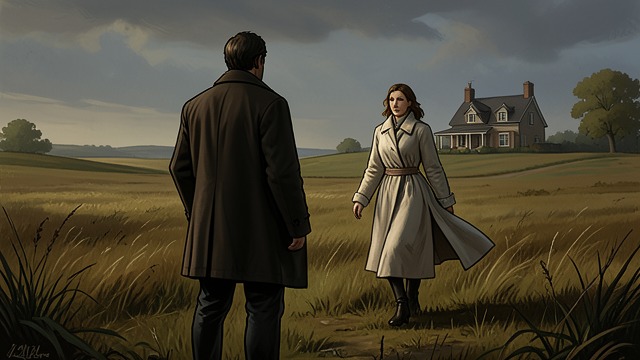
Bodies Under the Track
Labor Made Invisible
Thoreau imagines railroad sleepers as human beings laid beneath the rails. The train moves smoothly because workers’ lives support its motion, while some passengers ride and others are ridden upon.
His metaphor turns a technical term into a social accusation. The railroad’s speed depends on labor that the system makes easy to overlook.
Significance
The image dramatizes how people can become instruments of others’ progress. It demands that passengers recognize the human lives hidden in convenience.
Soldiers as Machines
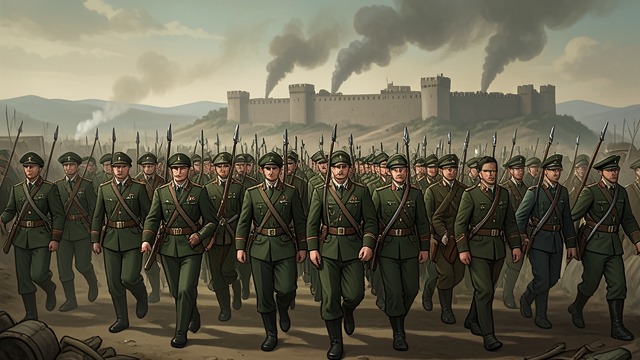
Obedience in Formation
Bodies Without Judgment
Thoreau describes soldiers as machines serving the state with their bodies, marching even against their conscience. Their discipline makes them useful to authority while suppressing individual moral judgment.
The state can assemble people into forts and magazines, but that organization reduces their dignity when they cannot decide what they serve. The image contrasts obedience with active humanity.
Significance
Political power depends on people who act mechanically. Recovering agency requires citizens to judge the justice of their service.
Clay Refuses Its Mold
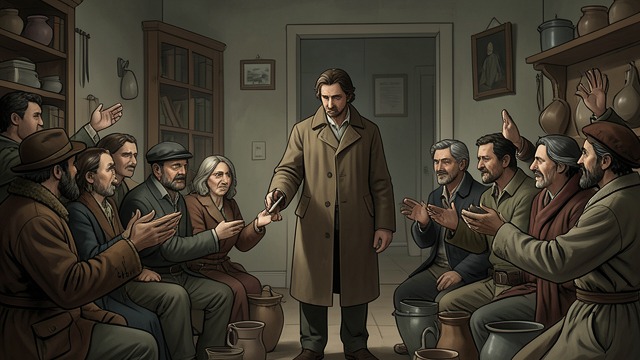
Refusing Instrumentality
A Person’s Own Law
Thoreau argues that a wise person should not submit to being clay used to stop a hole or to serve a state. A person’s conscience must not be reduced to a material the government can shape at will.
The refusal is not simply a desire to oppose authority. It is a demand that the person remain morally alive within public action.
Significance
Thoreau’s imagery makes resistance a defense of human personhood. A state can claim service, but it cannot make conscientious judgment disappear without moral loss.
Life as Counter-Friction
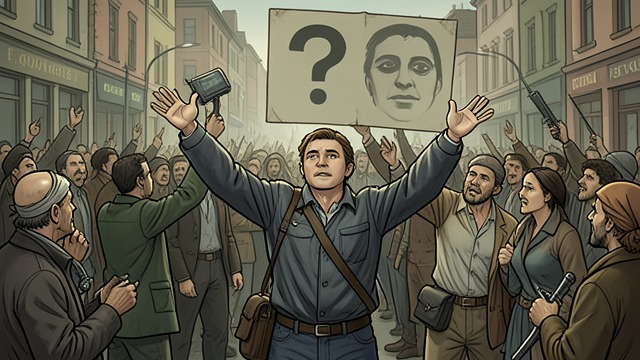
Stopping the Machine
Active Resistance
Thoreau calls on people to make their lives a counter-friction against injustice. Instead of helping an unjust machine run smoothly, they should interrupt it through refusal and withdrawal.
The image gathers his practical proposals into one principle. A person’s conduct matters because political machinery depends on the repeated cooperation of individuals.
Significance
The thread resolves in an account of restored agency. People cease to be instruments when they deliberately withhold the service that injustice requires.
During the critique of modern life
During the railroad metaphor in “Where I Lived”
During the discussion of military service
During Thoreau’s appeal to the conscientious dissenter
Near the end of the civil-disobedience essay
