
Nature’s Renewal and Human Possibility
WaldenThis flow traces how recurring natural cycles become evidence for Thoreau that human perception and institutions can also change.
increasing Bearing strength in each event
 decreasing
Bearing strength in each eventdecreasingThe Earth in Full Motion
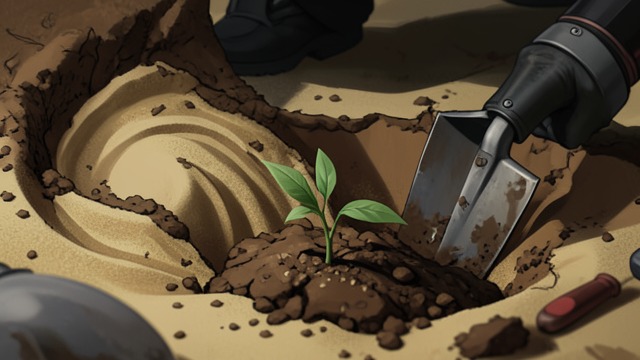
A Living Ground
Transformation Beneath the Surface
Thoreau watches thawing earth form shifting patterns of sand and clay, like leaves or veins. The ground appears active rather than inert, continually producing new shapes.
He imagines the earth’s processes as evidence that nothing is wholly inorganic or finished. Even the landscape’s apparent solidity conceals movement and creation.
Significance
Natural change becomes a challenge to static ideas of the world. The living earth suggests that what seems fixed may still be developing.
From Frost to Flower
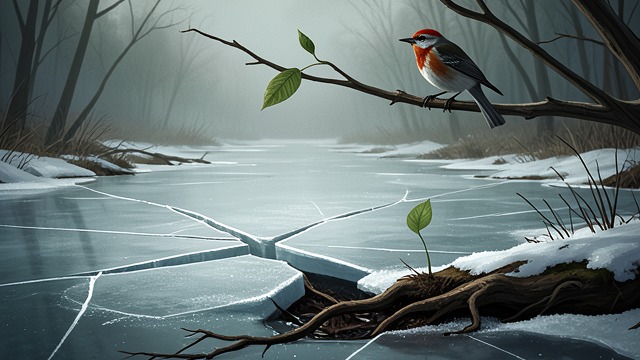
Seasonal Promise
A Gradual Emergence
The thaw prepares the ground for grass, birds, and new leaves. Thoreau sees delicate forms emerging from winter’s apparent barrenness and finds tenderness in what is usually called a harsh season.
The transition is not a simple replacement of death by life. Old stems feed early birds, while new growth rises through remains of the previous year.
Significance
Renewal depends on continuity as well as change. Nature creates new life from what has endured the season before it.
A Human Morning
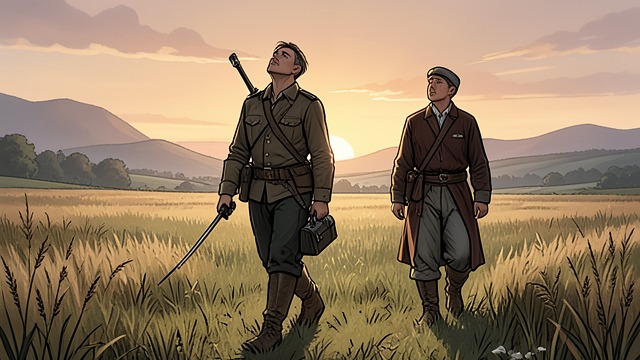
The Chance to Begin Again
Daily Moral Change
Thoreau compares the return of spring to the recovery of human innocence. A person may meet a neighbor afresh and recognize capacities that judgment had obscured.
Morning and warmth create an opening, but that opening can be lost through repeated wrongdoing. Renewal is both a natural gift and a moral opportunity requiring response.
Significance
The analogy refuses to define people by their worst moments. Human character may begin again, though not without attention and effort.
Plastic Institutions
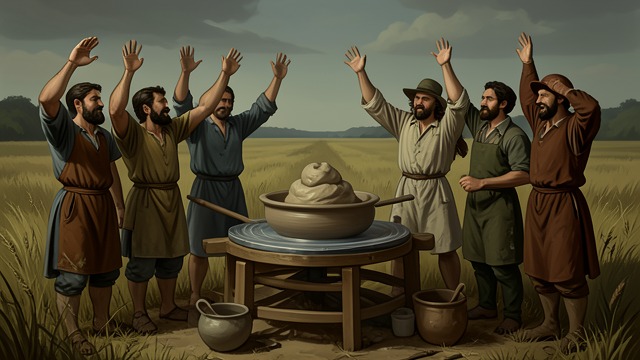
Social Forms Can Change
Clay in the Potter’s Hands
Thoreau observes that institutions, like the earth beneath them, remain plastic and capable of being reshaped. Social arrangements are not fixed merely because people have inherited them.
The image links natural transformation to political and moral possibility. A different order may emerge when people stop treating current institutions as permanent necessities.
Significance
Renewal becomes a challenge to resignation. If the earth can form itself anew, human beings can reconsider the institutions they have made.
More Day to Dawn

The Future Remains Open
A Morning Star
Thoreau ends by declaring that the sun is only a morning star. The final image presents the present as a beginning rather than the limit of what life can become.
The words leave readers facing a horizon beyond the known world. Awakening, like spring, promises more than a return to the same routine.
Significance
The book closes by making renewal an unfinished possibility. Its final encouragement is to remain alert to a day that has not yet fully dawned.
During the observations of thawing earth
As spring approaches at Walden
During the reflection on spring and renewed virtue
During the reflection on thaw and human society
At the book’s final sentence
