
The Narrator’s Changing Relationship to Death
Wann wird es endlich wieder so, wie es nie warThis flow follows Joachim(Jocki) from childhood fascination with bodies to an adult understanding of grief, care, and irreversible loss.
increasing Bearing strength in each event
 decreasing
Bearing strength in each eventdecreasingDeath as Discovery
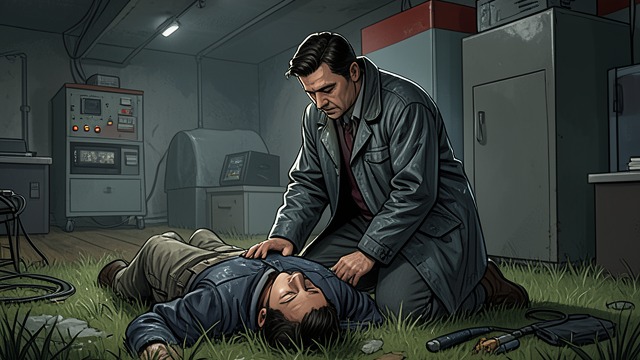
Death as Discovery
The Garden Body
Joachim(Jocki) sees a dead stranger and responds with wonder rather than panic. The body becomes the first death he can claim as an experience of his own.
A Story to Tell
He runs to announce the discovery, discovering that adults and children respond differently to death. The event begins his long habit of narrating what he sees.
Learning Funeral Forms
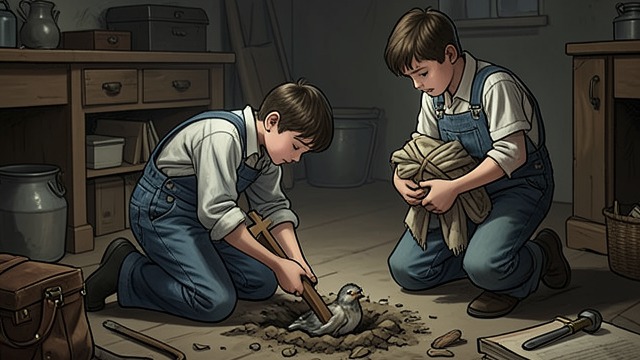
Learning Funeral Forms
Ritual Through Play
The brothers bury birds and other small animals, assigning roles for speeches, crosses, and carrying the dead. Their ceremonies mix jokes with genuine attention.
A Child’s Grief
Joachim(Jocki) is surprised by how strongly he mourns the Amsel. Play does not cancel sorrow; it gives sorrow a form he can manage.
A Brother’s Funeral

A Brother’s Funeral
Loss at a Distance
The death of Martin reaches Joachim(Jocki) by telephone in the United States. He returns to the funeral but struggles to enter the family’s shared grief.
Delayed Feeling
He resumes life abroad, postponing mourning. The memoir presents grief not as a single event but as something whose timing differs from person to person.
The Dog’s Death
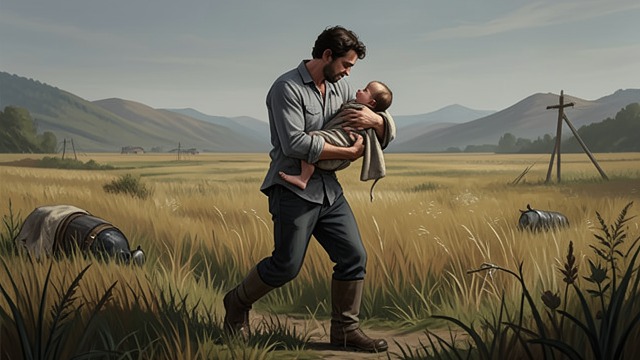
The Dog’s Death
Choosing an End
Joachim(Jocki) helps decide to euthanize the family dog, then carries its body to the cottage and buries it. His actions are loving but mixed with anger and self-reproach.
Loss Made Physical
The grave, the soil, and the animal’s changing weight make death tangible. The narrator’s care is imperfect, but he remains present to the body.
Sleeping Beside Hermann

Sleeping Beside Hermann
A Last Night
Joachim(Jocki) lies beside his dead father and touches him as he has done since childhood. The warmth of the support mattress briefly disguises the body’s death.
Acceptance and Release
When the machine stops, Hermann becomes cold and unfamiliar. The narrator later feels unexpectedly free, showing that grief can include relief without diminishing love.
At age seven
During childhood pet burials
During the exchange year
Years after Martin’s funeral
After Hermann dies in hospital
